Toyota Starlet 1.5 Xs (2024) Review
Half a point lost for the short service plan and the badge premium, but the rest is earned with real-world refinement, trustworthy economy, a useful boot, and the peace of mind that comes with knowing
Introduction
Right, so you’ve got R250,000 burning a hole in your pocket, and you want a hatchback that won’t leave you stranded when load-shedding cuts the lights. The Toyota Starlet 1.5 Xs? That’s your safe bet - if you’re willing to pay a premium for the badge and the backup that comes with it. This Toyota Starlet 1.5 Xs review in South Africa isn’t about hype; it’s about real-world value. By 2025, R250k hatchbacks are a rare breed, and the Xs manual sits right on the edge. It’s not the variant getting the big ad spend, but it could be the clever pick of the lot.
Key takeaway: The Starlet Xs is the grown-up choice in this line-up - enough kit for daily life, manageable fuel bills, and you’ll sell it later without drama.
Design & Exterior
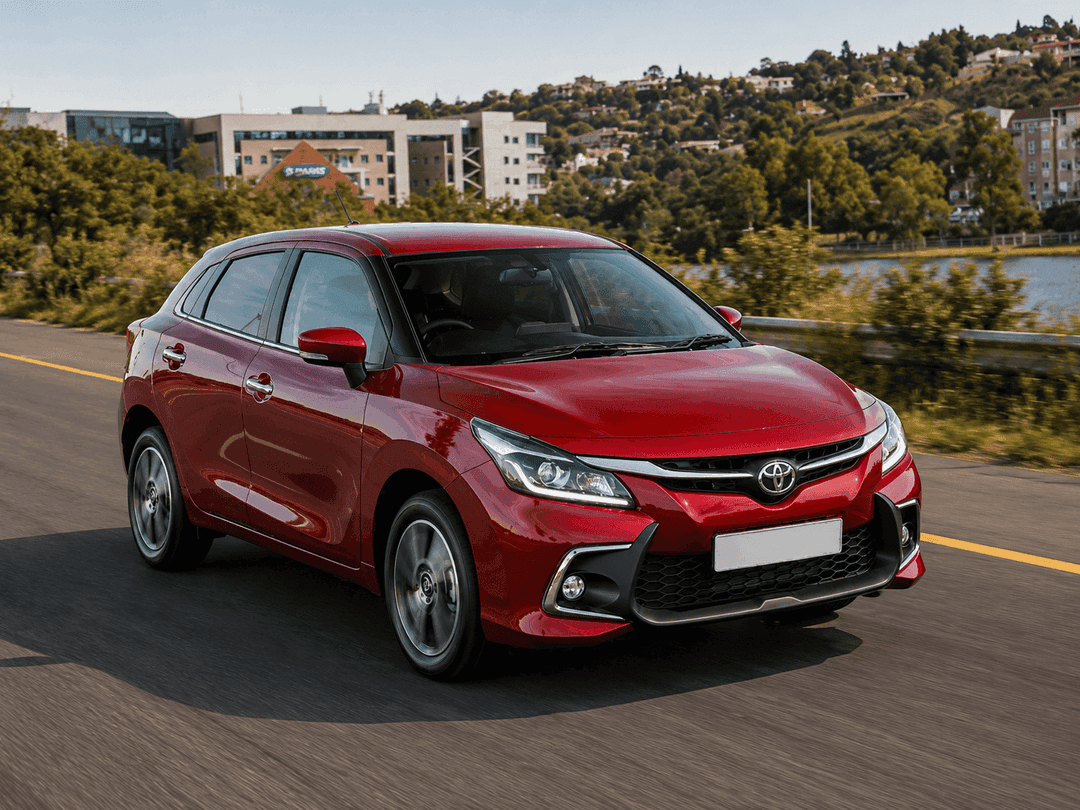
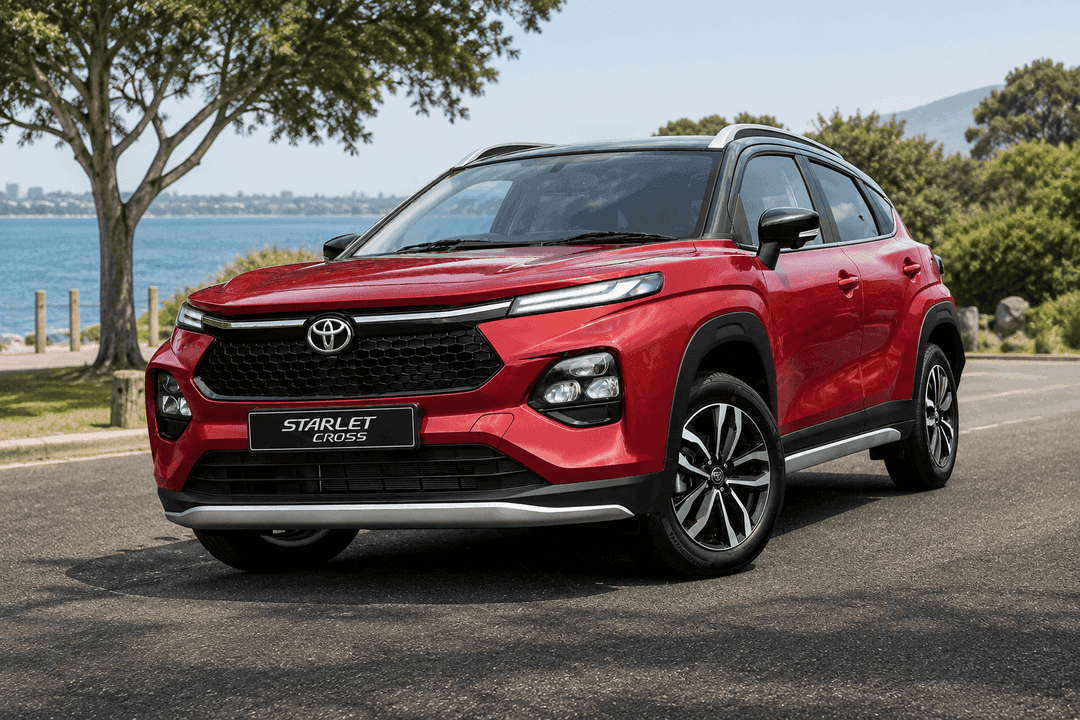
Park the Xs next to a Polo Vivo, and you’ll struggle to tell which is fresher. The Starlet’s lines have aged better than most. It doesn’t try to be a mini GR - thankfully. Up front, the grille is busy but not clownish, the stance is upright so you won’t feel boxed in, and those 15-inch alloys look properly sized - no “bare minimum” tyre vibes here.
Where it sits in the segment
Five-door practicality puts the Starlet ahead. Just shy of four metres, it slips into tight bays without a multi-point shuffle. The Xs gets body-coloured mirrors and handles - easy to overlook, until you see a rival’s black plastic and realise that’s the difference between cared-for and “rental spec” when it comes time to sell.
Toyota Starlet ground clearance and surface reality
Ground clearance is dialled in for South Africa - I didn’t scrape the nose once, even over chewed-up Modderfontein offramps, and the rear doesn’t slap speed bumps like some rivals. It’s not playing SUV, but a gravel detour? No sweat.
Cabin & Practicality
This is where the Xs quietly get it right. Toyota made good calls about what to keep and what to drop compared to the XR.
What the Xs gives you
- 7-inch touchscreen with Apple CarPlay and Android Auto
- Toyota Connect onboard Wi-Fi - Suzuki’s twin doesn’t offer this
- Steering-wheel audio and phone controls
- Manual air-con (and honestly, that’s enough)
- Four speakers, electric windows all round, central locking
What you give up versus the XR
- No push-button start - classic key twist, but is that really a problem?
- No 360-degree camera (just rear view)
- No wireless charging
- No head-up display
- Infotainment screen size can vary by build date
Cabin plastics are hard, textured, but the dash design shows more thought than you’d expect for this money. I picked up a faint hum on a long N3 stretch - at 120 km/h, the Starlet’s cabin stays decently hushed for a sub-R300k hatch. Toyota clearly spent some money on sound insulation, which matters here: the engine isn’t shy above 4,000 rpm.
Toyota Starlet boot space and rear seat reality
The Toyota Starlet boot space is a real 355 litres. I fit two full-size suitcases plus a soft bag with the parcel shelf in place. On a family trip - wife, six-year-old, the works - that was the difference between a calm departure and a driveway squabble over what gets left behind. Rear legroom is fine for anyone up to 1.8 metres; middle seat headroom is tight for taller folks. If you pack smart, you’ll fit a week’s groceries easily.
On the Road
Under the bonnet: a 1.5-litre four-cylinder, 77 kW at 6,000 rpm and 138 Nm at 4,400 rpm. The 5-speed manual is the one to have in the Xs. On paper at least, 0–100 km/h comes in at 11.2 seconds. That looks ordinary, but in real traffic, the short gearing and featherlight clutch make it feel a bit brisker than you’d think.
Real-world economy
Toyota claims 5.4 L/100km combined. Over 480 km - including Sandton traffic, a section of N1, and an easy Magaliesberg run - I saw 5.9 L/100km. Not a fluke; repeat runs land in the high-5s. Difference between claim and reality? About half a litre. That’s honest for this segment.
Ride and handling
Ride quality beats the price. I tackled battered post-rain roads, and the Xs absorbed the worst with no big crashes or rattles. On a brisk R511 sweep, the front holds its line better than you’d expect, with a bit of roll and numb steering. Fine by me - this is a commuter, not a hot hatch.
The motorway question
Need to overtake at 120 km/h on a single-lane N-road? You’ll drop to fourth, maybe third if the hill’s steep. No turbo torque backup here, just honest, naturally aspirated shove. Anticipate, commit, done.
Data & Comparison
Toyota Starlet specs at a glance
Quick Toyota Starlet specs rundown for the 1.5 Xs manual:
- Engine: 1.5L naturally aspirated petrol, 4-cylinder
- Power: 77 kW at 6,000 rpm
- Torque: 138 Nm at 4,400 rpm
- Gearbox: 5-speed manual, front-wheel drive
- Doors: 5
- Body: B-segment hatchback
- Model year tested: 2024
Rivals at this money
| Model | Engine | Power | Gearbox | Notes |
|---|---|---|---|---|
| Toyota Starlet 1.5 Xs | 1.5L petrol | 77 kW | 5MT | Imported from India, Toyota dealer network |
| Volkswagen Polo Vivo 1.4 | 1.4L petrol | ~55 kW | 5MT | Built in Kariega, local production |
| Suzuki Swift 1.2 GL | 1.2L petrol | ~60 kW hp | 5MT | Starts below R250k, lighter, less kit |
| Suzuki Baleno 1.5 GL | 1.5L petrol | 77 kW | 5MT | Mechanical twin, longer warranty, smaller dealer footprint |
Toyota Starlet 1.5 Xs price in South Africa and ownership
Here’s the Toyota Starlet price in South Africa reality: in 2024–2025, the Xs manual just squeaks under R260,000 new, while the Xi dips below R250,000 and the XR heads north of R290,000. For used buyers, a year-old Xs with less than 20,000 km usually lands inside R250k at a large franchise dealer - think McCarthy or Bidvest McCarthy, not a side-lot.
The Toyota Starlet service plan in South Africa covers 3 services or 45,000 km, plus the 3-year/100,000 km warranty. That’s shorter than Suzuki’s Baleno plan, and it’s the Starlet’s main weak spot. Five-year total cost to own? About R230,000 by my maths - and that’s for a car you’ll actually keep, not just flip after a year.
Segment trend
Hatchback demand sat at 41.07 index points in November 2025, flat and miles behind SUVs (76.0) and sedans (66.99). So the Starlet faces a market sliding toward crossovers. Ironically, that makes the survivors - Starlet, Polo Vivo, Swift - more important for buyers watching their rands.
Editorial Focus
The R250k hatchback tested
Truth is, R250,000 in 2025 buys you less than it did three years ago. A brand-new Starlet Xs just tips over that line at most dealers; you’ll have to haggle or hunt for a demo to keep it inside budget. The Xi slips below budget, but you lose the touchscreen and alloys you actually want. The XR? It’s the range hero, but it’s well north of R290k.
So, the Xs is your R250k answer - if you’re happy with nearly-new or demo examples. That’s my move. Why? Because the first owner’s eaten the depreciation, Toyota’s 220+ dealer network means help is close by, and the Xs holds value better than anything else in this group after three years.
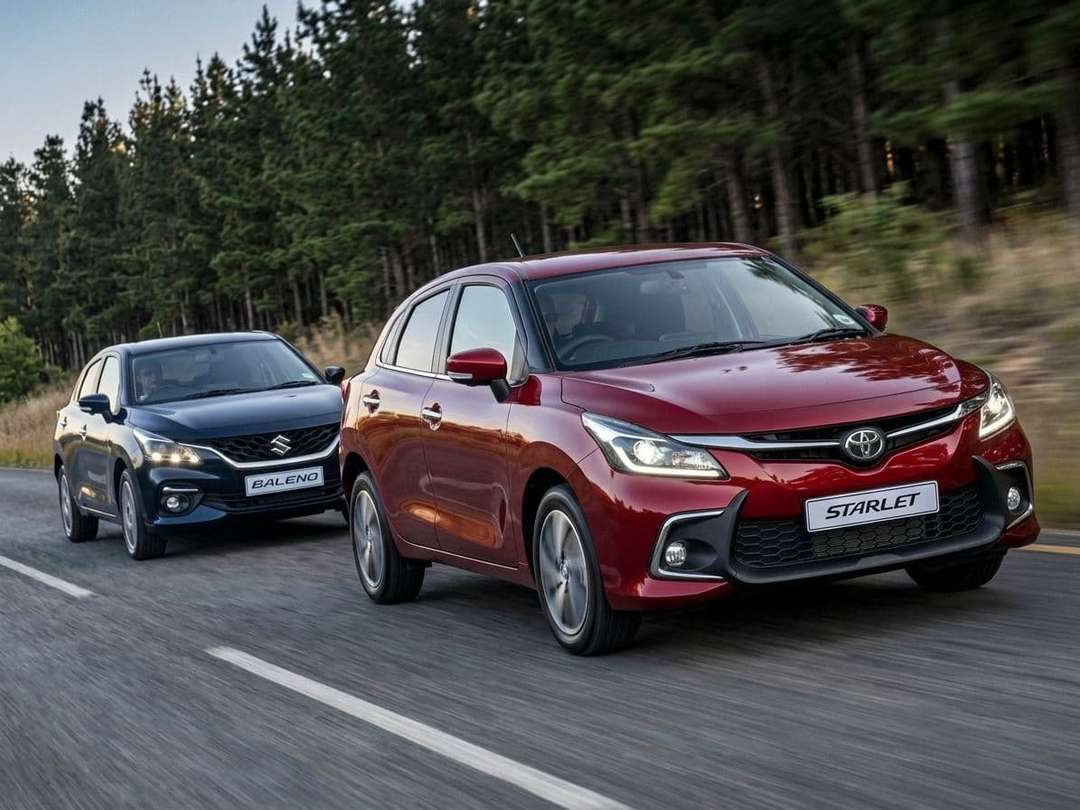
Against the Polo Vivo, the Starlet gives you more kit and a bigger boot, though you lose that local-assembly pride. Against the Swift, the Starlet feels a little more mature and refined. And with the Baleno twin, you’re paying R15,000–R20,000 more for the Toyota badge - yet Starlet outsells Baleno three to one, so South Africans have voted with their wallets. That’s the point. The market’s already made its call.
Verdict
The Toyota Starlet 1.5 Xs is the one I’d put my own money on. It dodges the Xi’s sparse spec, avoids the XR’s price jump, and gives you what matters - an honest, frugal, well-built hatchback with South Africa’s most trusted badge.
Summary
The Toyota Starlet 1.5 Xs is the one I’d actually put my money on. It skips the bare-bones cuts of the Xi, avoids the price creep of the XR, and delivers what matters — an honest, frugal, well-built hatchback with the country’s most trusted badge.
Ratings
Pros
- ✓You want a no-fuss daily driver, value Toyota’s dealer network, and don’t mind spending a bit more than the Baleno to get it.
- ✓Go nearly-new at R250k and you’ll walk away smiling.
Cons
- ✗You want the most features per rand (the Baleno GLX is worth a look), need to buy local (Polo Vivo), or crave excitement — this Starlet is about sense, not speed.