Volkswagen Amarok (2026) vs Ford Ranger (2025)

After two weeks swapping between both, I’d park the Ranger Super Cab at my house. I don’t need rear seats, and the running cost difference is real. But if my brother-in-law with two kids asked? Amarok Life, every time. And that’s the point…
Introduction
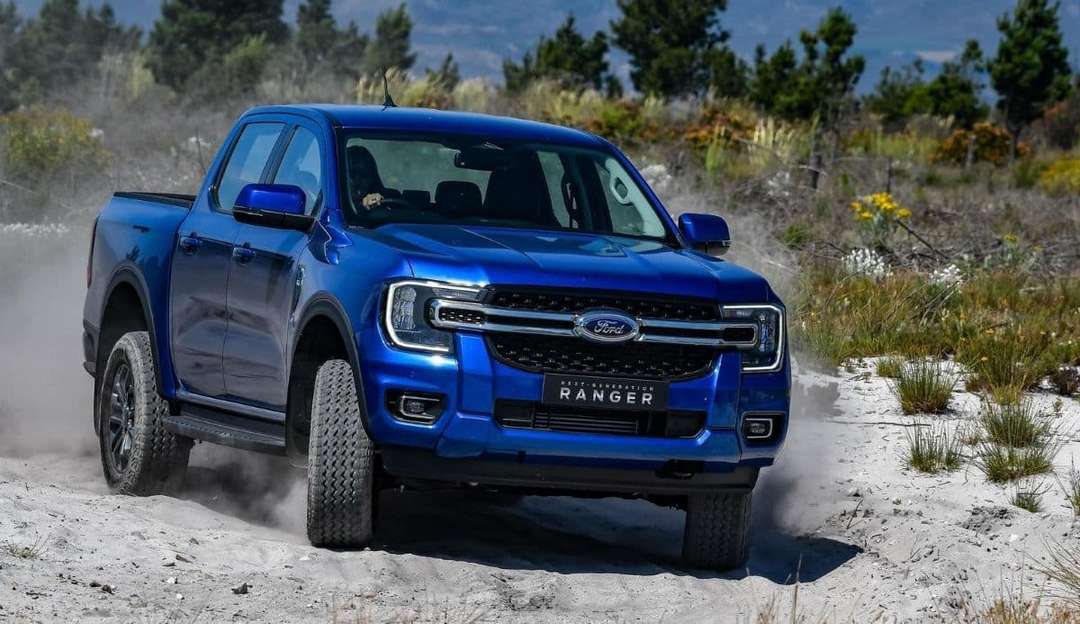
Quick answer for anyone searching “Amarok vs Ranger South Africa”: the Amarok 2.0 BiTDI Life is your best bet if you want a proper five-seat double-cab that can slot into family life, while the Ranger 2.0 Bi-Turbo XLT Super Cab makes more sense if you’re running a business or shuttling bikes and kit every weekend. Both roll off the same Pretoria line, both use the same 2.0-litre diesel and 10-speed auto, and both share a platform. Your choice is really about space priorities and what you want from a badge. That’s the point.
Key takeaway: Amarok is the comfort-focused double-cab with VW refinement. Ranger Super Cab is lighter, cheaper, and delivers better claimed fuel figures for buyers who work their bakkies harder.
Design & Exterior
Stance and proportions
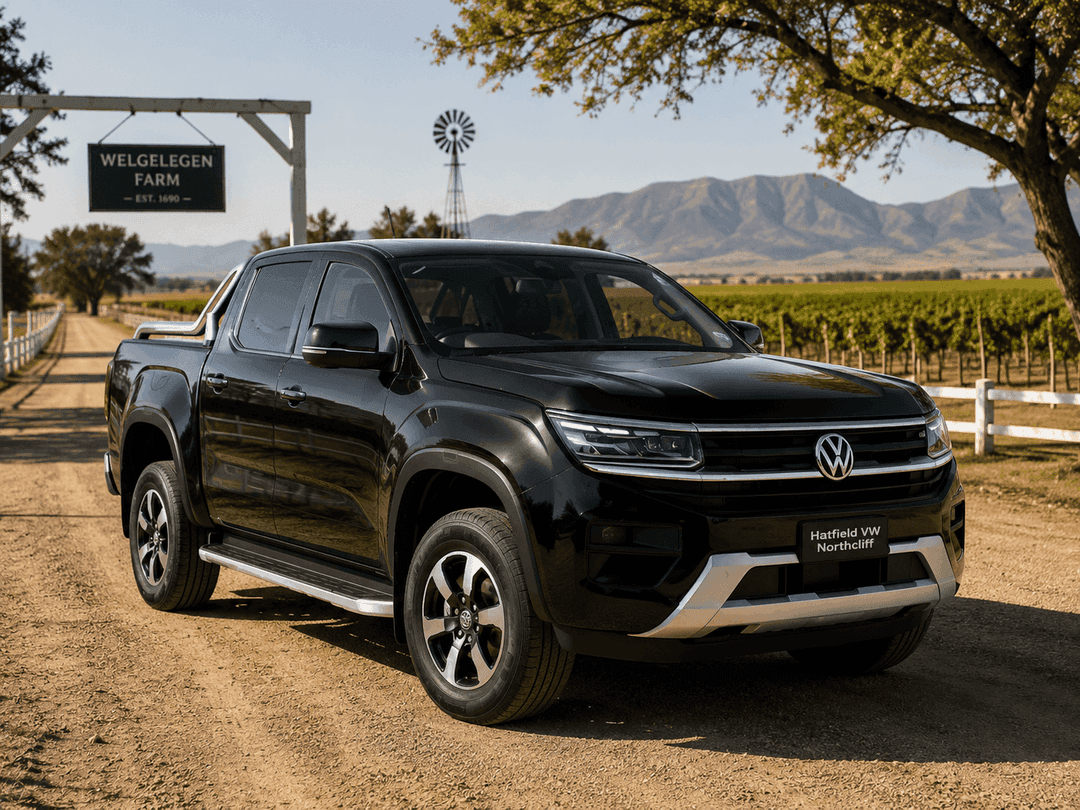
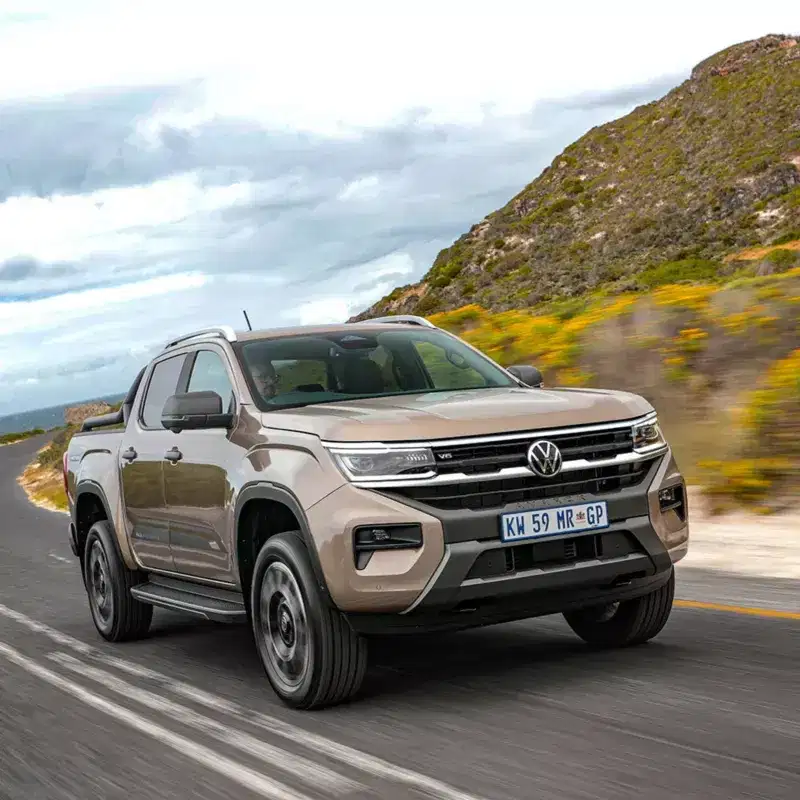
Volkswagen’s Amarok Life looks like the bigger truck, even though it’s built on the same bones as the Ranger. It stretches 5390 mm nose to tail, 1910 mm wide, and stands 1884 mm tall on a 3270 mm wheelbase. That’s a proper double-cab footprint. Ranger Super Cab, at 5350 mm long and a super-wide 2208 mm (including mirrors), sits just a shade lower at 1877 mm. Forget squeezing into those tight Cape Town curbside bays or navigating a Sandton mall parking garage without a three-point turn.
Faces and finishes
Amarok’s face is unmistakably VW: horizontal grille, full-LED IQ. Light on higher trims, the Life version dials down the chrome. Ford leans hard into the American-truck vibe with bold chrome and the now-iconic C-clamp DRL design. Paint options? Both bakkies come in the usual palette of whites and silvers. Ranger offers more colour variety at local dealers like Barloworld and CMH, but Amarok’s range is more limited.
SA road reality
Ride height is crucial for bakkies living with Joburg’s potholes or the gravel section heading to a Drakensberg trailhead. Both Amarok and Ranger ride high enough to shrug off typical SA road hazards. Ford’s Super Cab body means a longer load box versus Amarok’s double-cab, so if you’re hauling fencing or a quad bike each week, that extra length is what tells the real story at a glance.
Cabin & Practicality
Materials and layout
Step into the Amarok Life, and you’ll spot the familiar VW touches: portrait infotainment, Group steering wheel and switchgear, and a layout that feels more SUV than bakkie. Soft-touch bits are limited to where your elbows land, but it’s still a workhorse underneath. Ranger’s XLT cabin shares the same architecture but brings Ford’s SYNC 4, a splash of blue ambient stitching (on some variants), and a chunkier vibe. Both have ditched most physical climate controls, which is a punishment in Durban’s summer humidity. No one wants to poke at a screen to demist the windscreen in traffic.
Seats, doors, space
- Volkswagen Amarok Life: Four doors, five seats, and a full second row with ISOFIX for child seats. If you’re thinking of family road trips, this is your answer.
- Ford Ranger XLT Super Cab: Two doors by the brochure (the half doors at the back don’t count as full-size), and two seats up front. Rear space is for jump seats or gear, not adults.
Rear practicality? Amarok. Load space and lighter weight? Ranger. It’s a split decision based on what you need to carry.
Infotainment and storage
Both Amarok Life and Ranger XLT get 10-inch portrait touchscreens with wireless smartphone integration. Amarok runs VW’s software; Ranger gets SYNC 4. Storage is sorted in both: deep door bins, a practical centre console, and a dash-top tray for wallets or sunglasses. If you pack smart, you’ll fit everything for a family run to the KZN South Coast or a week’s worth of site tools.
On the Road
Volkswagen Amarok behind the wheel
Heading down the N3 from Joburg to Harrismith, the Amarok 2.0 BiTDI settles into a cruise that feels more Touareg than bakkie. With 154 kW and 500 Nm, the 2.0 TDI has enough punch, although you’ll notice the 2240 kg kerb mass when accelerating hard. The 10-speed auto can shuffle gears a bit much on long uphills, but it’s mostly unobtrusive. VW claims 10.5 seconds to 100 km/h and that feels about right. The rear leaf springs bounce on rough gravel when unladen, but the surprise is in the steering. It’s lighter and more accurate than any Amarok before. On a chilly Cullinan morning, I saw 9.4 L/100km real-world consumption, which is close to the claimed 8.8 L/100km combined. Not bad for a double-cab this size.
Ford Ranger behind the wheel
Ranger 2.0 Bi-Turbo (154 kW, 500 Nm) is mechanically almost identical. Same 10-speed, same diesel clatter at idle. But the Super Cab body, minus the extra glass and rear seats, feels more agile under brakes and slightly less nose-heavy on winding roads. Ford quotes 7.5 L/100km combined for this Bi-Turbo, which is a proper 1.3 L/100km better than Amarok on paper. On a quick gravel run off the R510 near Thabazimbi, Ranger stayed composed over washboard ruts, though its steering can’t quite match Amarok’s stability at freeway speeds. Both feature a switchable 4x4 system with low range. Just don’t expect a rear diff lock as standard - you’ll have to spend more for PanAmericana or Wildtrak X, and that’s an actual off-road compromise in the real world.
Specs & Ownership
Side-by-side data
| Metric | Volkswagen Amarok 2.0 TDI 4MOTION | Ford Ranger 2.0 Bi-Turbo XLT Super Cab 4x4 |
|---|---|---|
| Power | 154 kW | 154 kW |
| Torque | 500 Nm | 500 Nm |
| 0-100 km/h | 10.5 s | Not quoted |
| Combined fuel consumption | 8.8 L/100km | 7.5 L/100km |
| Urban fuel consumption | 10.6 L/100km | Not quoted |
| Extra-urban fuel consumption | 8.5 L/100km | Not quoted |
| Gearbox | 10-speed automatic | 10-speed automatic |
| Drive | All wheel drive (4x4) | 4WD |
| Doors / seats | 4 / 5 | 2 / 2 (as configured) |
| Length / Width / Height | 5390 / 1910 / 1884 mm | 5350 / 2208 / 1877 mm |
| Wheelbase | 3270 mm | Not quoted |
| Kerb weight | 2240 kg | Not quoted |
| 5-year TCO (estimate, ZAR) | R432 400 | R402 500 |
Total cost of ownership
On the calculator, Ranger Super Cab is about R29 900 cheaper to own over five years than Amarok Life, mostly thanks to its lower fuel thirst and lighter body. Both stick to 15 000 km service intervals at local dealers. Warranty and service plans can shift with each model year, so check the latest paperwork from VW and Ford SA. Historically, Amarok trails Ranger a little on resale at SA auctions - not because it’s worse, but because there are simply more Rangers and more buyers fighting over them when it’s time to trade in.
Verdict
This is as close as twin-tests get in the bakkie world. These two are so similar beneath the skin, the decision comes down to body style, badge appeal, and your budget.
Pick Amarok 2.0 TDI Life if you want a five-seat double-cab that feels closer to an SUV, need ISOFIX for the kids, and you’re comfortable with the 8.8 L/100km combined figure plus a modest price premium. It’s what the Amarok should have been from the start - a true family double-cab with real VW shine.
Pick Ranger 2.0 Bi-Turbo XLT Super Cab if you’re running a small business, need to load long kit, or simply want the better 7.5 L/100km and R402 500 TCO. The broad dealer network and stronger resale are real advantages.
Comfort seeker? Amarok, no contest. The extra wheelbase and quieter cabin are worth it on a N3 run down to Margate.
Value hunter? Ranger. R29 900 less over five years and easier to sell on.
If you can wait: Amarok’s 2.3 TSI petrol arrives late 2025, and Ford keeps shuffling Ranger trims. Waiting for MY26 could get you more kit for the same cash.
After two weeks swapping between both, I’d park the Ranger Super Cab at my house. I don’t need rear seats, and the running cost difference is real. But if my brother-in-law with two kids asked? Amarok Life, every time. And that’s the point…
Summary
Here’s the Amarok versus Ranger double-cab shootout for South Africa. Volkswagen’s 2024 Amarok 2.0 TDI 205 Hp 4MOTION is aimed at families who need five seats and VW polish, while Ford’s 2023-2025 Ranger 2.0D Bi-Turbo XLT Super Cab 4x4 is the practical pick for tradespeople and anyone needing a long