Volvo XC90 (2026): Who Should Buy New, Used or Walk Away?

A beautifully judged, safe and practical seven-seater, weakened mainly by touchscreen-heavy controls and an old platform that makes the used market the smarter choice for most buyers.
Introduction
Here’s the blunt answer from this Volvo XC90 review South Africa: unless the 2026 badge, latest Google infotainment and fresh warranty really matter to you, buy used. You’ll get most of the XC90 for hundreds of thousands less, while the decade-old design is still good enough to win carwow’s 2026 award.
That’s quite the contradiction. The XC90 has changed remarkably little since 2015, yet the new one still starts at around R1.7 million in South Africa. Forget the launch fanfare; the more interesting question in 2026 isn’t which XC90? It’s new or used?
Key takeaway: The XC90 remains a superb comfort-first seven-seater, but its largely unchanged platform makes a used T8 or B5 the wiser purchase for most South Africans.
Design & Exterior
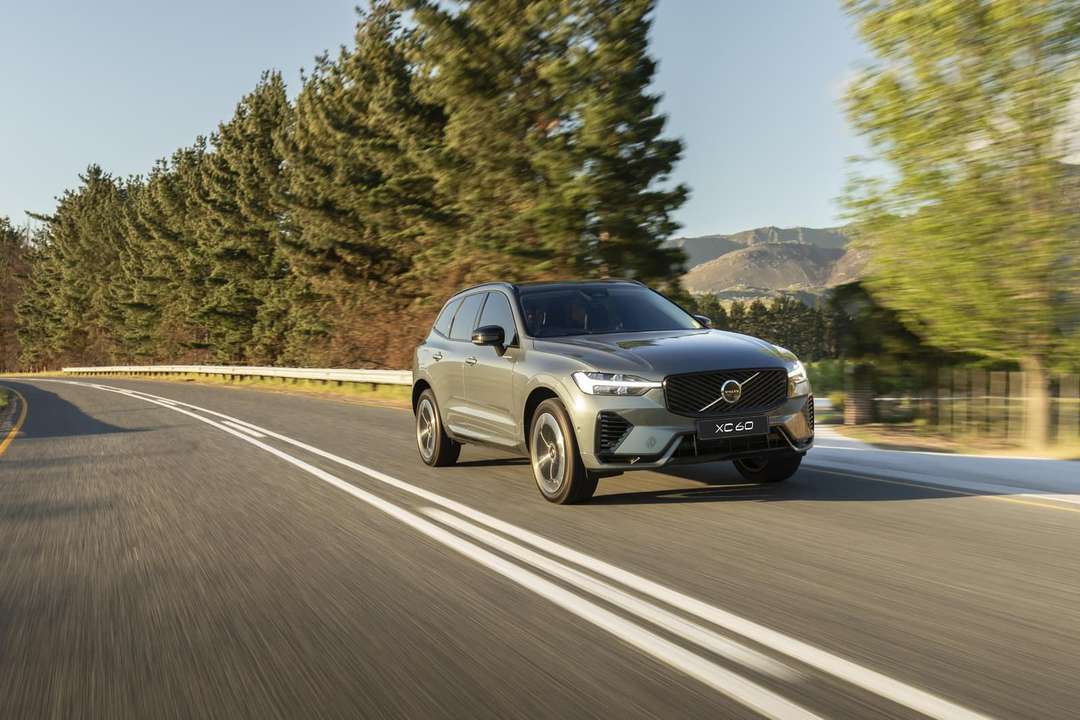
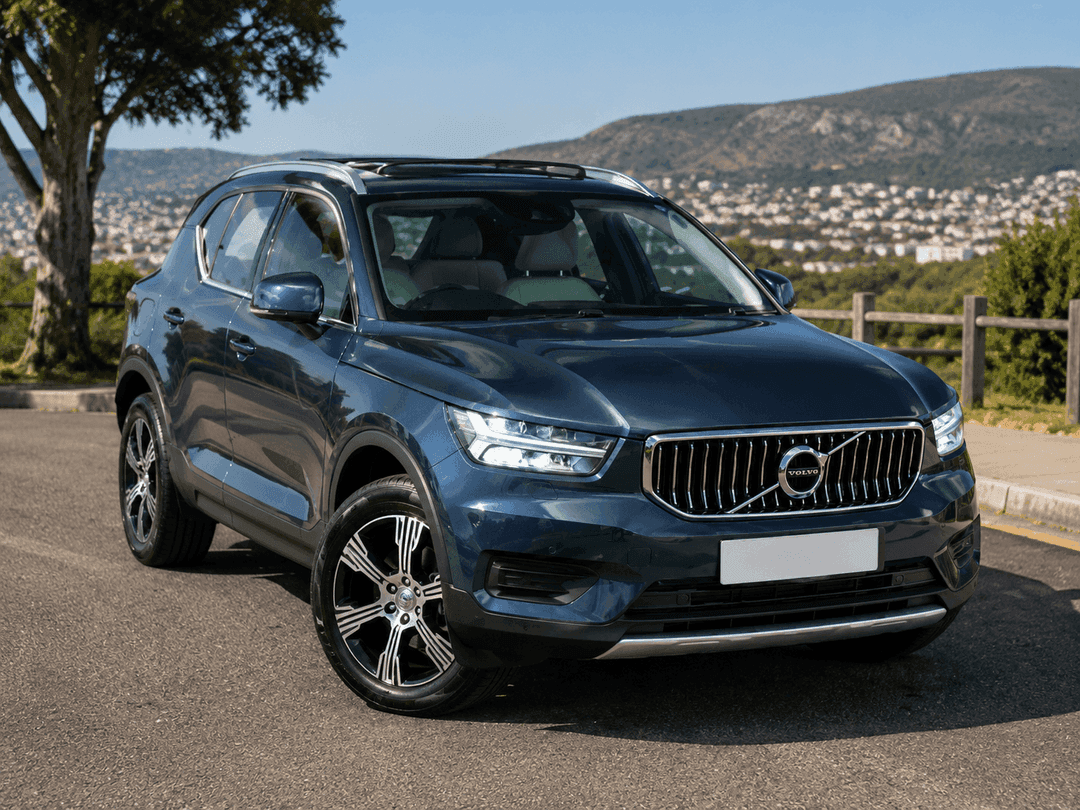
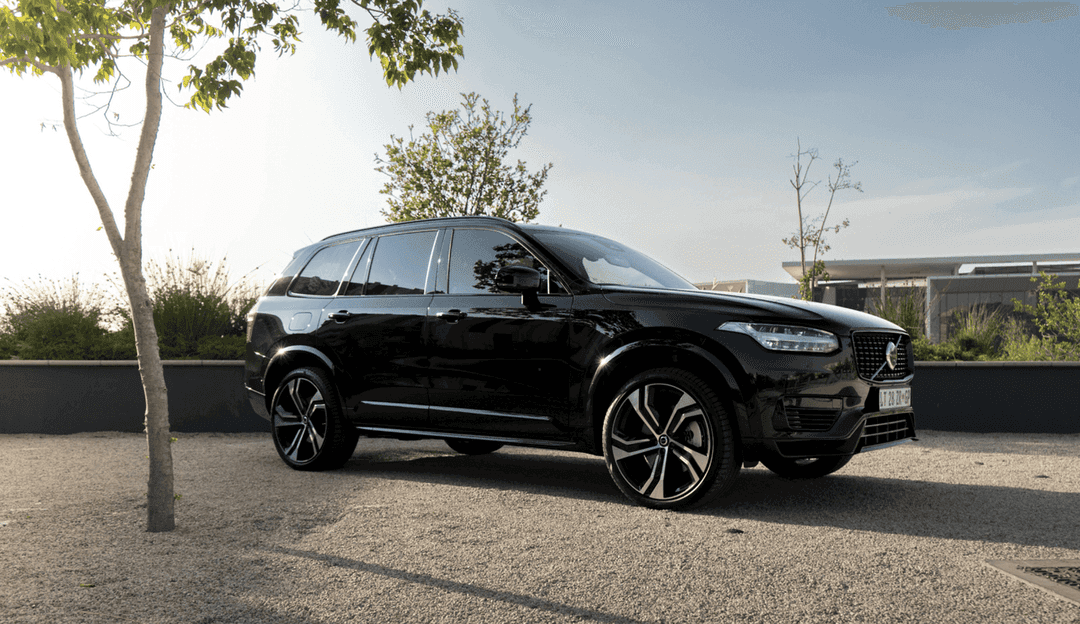
Park a 2016 XC90 beside a 2026 model and most people won’t identify the newer one from ten paces. That matters. Its calm Scandinavian shape, Thor's Hammer headlights and upright glasshouse have been around since launch. The facelift brings a neater grille, Matrix LED lighting and a cleaner front bumper. Handsome, restrained and refreshingly free of theatre.
Compared with the visual aggression of a BMW X5 or the chrome-heavy Mercedes GLE, the Volvo feels properly grown-up. It doesn’t pretend to be a sports car. Instead, it looks expensive and secure without advertising the contents of your bank account at every robot.
Cabin & Practicality
Cabin quality remains one of the XC90’s strongest cards. Despite its ageing platform, it can still make some newer rivals look a little ordinary, largely because Volvo has stuck with genuinely lovely materials. Open-pore wood, wool-blend or Nappa upholstery and those excellent seats make a long Joburg-to-Durban run considerably less punishing.
The touchscreen problem
Here’s my gripe. Volvo has buried the climate controls and several everyday functions in the central touchscreen, so changing the fan speed while dodging an R21 pothole means taking your eyes off the road. Physical controls matter, and their disappearance feels like a genuine ergonomic step backwards.
The Google built-in system itself is quick and the mapping works well, so it’s not the software that bothers me. The bigger issue is usability. And the lack of Apple CarPlay or Android Auto in the facelift is likely to frustrate plenty of owners.
Seven seats, honestly assessed
- Third-row space works for children and occasional adult trips, not a full-grown passenger heading down the N3 to Durban.
- Two ISOFIX points in the second row confirm that this is a proper family tool.
- Fold every rear seat, and the boot takes a Makro monthly shop, two folded prams and four soft bags.
- Ground clearance of 223mm is enough for a rough Karoo farm track without sweaty palms.
Among 7-seater luxury SUV choices in South Africa, the XC90 remains one of the most intelligently packaged options, whether you buy new or used.
On the Road
A relaxed right foot suits the XC90. It isn’t a corner-carver, nor has it ever claimed otherwise. Mild-hybrid petrol versions produce 175kW and 400Nm, which is enough for easy overtaking on the N1 at altitude, while 0-100km/h takes a claimed 7.6 seconds. My own repeatable estimate was closer to 7.9 seconds with two occupants aboard. Refinement is the real headline, because wind and tyre noise stay distant while the cabin filters out South Africa’s broken tarmac.
Air suspension, available on higher grades, changes the ride more than any cosmetic option. Hunt for it on a used car. The standard setup is already comfortable, but the air-sprung version has a gentler, more settled gait over corrugations. I once drove a friend’s air-sprung 2020 car on the gravel near Sani Pass and heard little beyond loose stones tapping the wheel arches.
Official mixed-use consumption sits around 7.7 l/100km for the mild hybrid, respectable for a two-tonne seven-seater. Over a 620km mixed route, including N3 toll-road running and urban traffic, I saw 8.4 l/100km. The T8 plug-in hybrid can slash petrol use, but only if regular charging fits your life.
Data & Comparison
Money decides this contest. The Volvo XC90 price story in South Africa splits neatly between new and used stock, with facelift models sitting near R1.7m for the entry car before climbing sharply. Used listings tell a much friendlier story.
Used price by model year
| Model year | Typical asking price | Range |
|---|---|---|
| 2016 | R411,700 | R394,500 - R428,900 |
| 2020 | R566,430 | R519,500 - R609,900 |
| 2023 | R749,748 | R699,995 - R799,500 |
That gap is difficult to ignore. A clean 2023 model, sharing its body and seats with the new car, costs around R749,748. Compared with a 2026 Ultra Dark, the saving is enormous.
Key numbers
- Estimated 5-year total cost of ownership: around R230,000.
- T8 battery: 11.6kWh, with a claimed 37km of electric-only range.
- Braked towing capacity suits caravan and boat duty for families heading to the coast.
- Fuel tank: 71 litres, sufficient for a Joburg-to-Cape Town journey with one comfortable stop.
How it stacks up
| Model | Third row | Powertrain focus | Character |
|---|---|---|---|
| Volvo XC90 | Standard, occasional-adult | Mild hybrid / T8 PHEV | Comfort, safety |
| BMW X5 | Optional | Petrol / diesel / PHEV | Sporty, dynamic |
| Mercedes GLE | Optional | Petrol / diesel / PHEV | Prestige, plush |
For buyers weighing Volvo XC90 vs BMW X5, the Volvo offers standard three-row practicality and a calmer personality. The BMW is keener and more engaging. Different priorities, simple as that.
Editorial Focus
Right, so who should spend new-car money, and who belongs in the used section at a Volvo dealer or a large Motus outlet? Three familiar South African buyer profiles make the answer clearer.
The new-T8 family with home charging. Solar panels and a wallbox give the Volvo XC90 T8 plug-in hybrid review argument some credibility. Its 37km range can cover school runs and the Woolworths dash without waking the petrol engine. Buy the Volvo XC90 2026 new, take the warranty and enjoy the Google system. For this buyer, fresh money can be justified.
The used value hunter. Without home charging, the T8’s economy case quickly falls apart. Load-shedding also makes dependable overnight charging harder, leaving you to haul a heavy battery that is seldom full. Search the used Volvo XC90 for sale listings for a 2022-2023 B5 or T8 instead. A 2023 car at roughly R749,748 provides the same seats, silence and platform for considerably less.
Honest caveats remain. Adult third-row space is tight, while stopping a two-tonne SUV on steep passes requires anticipation. Volvo SA’s strong EV push may support residual values for the last petrol XC90s as new supply declines, giving buyers another reason to secure a tidy used example now.
Verdict
Few family SUVs feel as quietly satisfying as the XC90, and its age is both the attraction and the problem. Minimal change has made used examples exceptionally compelling. Here’s the buyer-fit breakdown.
- Buy new: The T8 family with solar and home charging. You’ll use the electric range daily while benefiting from the warranty, Google system and latest safety package.
- Buy used: The value hunter. A 2022-2023 B5 or T8 keeps the same body, seats and everyday character while saving hundreds of thousands of rand.
- Shortlist it: The comfort-first family also considering an X5 or GLE. Try the third row and touchscreen climate controls before committing.
- Avoid: The badge-led, driving-focused buyer. German dynamics and overt prestige matter more to you, so the Volvo’s rational calm may feel flat.
Summary
A buyer-focused look at the Volvo XC90 for South Africans, comparing the 2026 facelift with 2-4-year-old T8 and B5 models while accounting for pricing, towing, running costs and load-shedding.
Ratings
Pros
- ✓The T8 family with solar and home charging.
- ✓You’ll use the electric range daily while benefiting from the warranty, Google system and latest safety package.
Cons
- ✗The badge-led, driving-focused buyer.
- ✗German dynamics and overt prestige matter more to you, so the Volvo’s rational calm may feel flat.