Renault Sandero 66kW turbo Expression (2020) Review
- Honest, practical, and more muscular than its price suggests. Dealer reach and that three-cylinder edge keep it from scoring higher.
Summary
A South African look at the Renault Sandero 66kW Turbo Expression (Sandero II, 2014-2022): 0.9-litre turbo triple, real-world costs, reliability, and used value for buyers who want practical, affordable hatchback motoring without pretence.
Introduction
Look, if you’re hunting for the cheapest turbocharged five-door hatch in South Africa’s used market and badge status isn’t keeping you up at night, the Renault Sandero 66kW Turbo Expression is still worth a look. Against the B-segment pack in 2024, the Sandero II remains a clever buy because you get turbo torque for the price of a regular old naturally aspirated runabout. Here’s the catch: it’s off Renault SA’s price list since 2022, so your only route is through used-car desks at places like InspectaCar or WeBuyCars – not a new-car floor. That changes the maths, and that matters.
Key takeaway: If you want proper torque, a grown-up boot, and five years’ parts support, a used Sandero Expression turbo is a smart choice – as long as you’re fine with Renault dealer quirks and the unique three-pot feel.
Design & Exterior
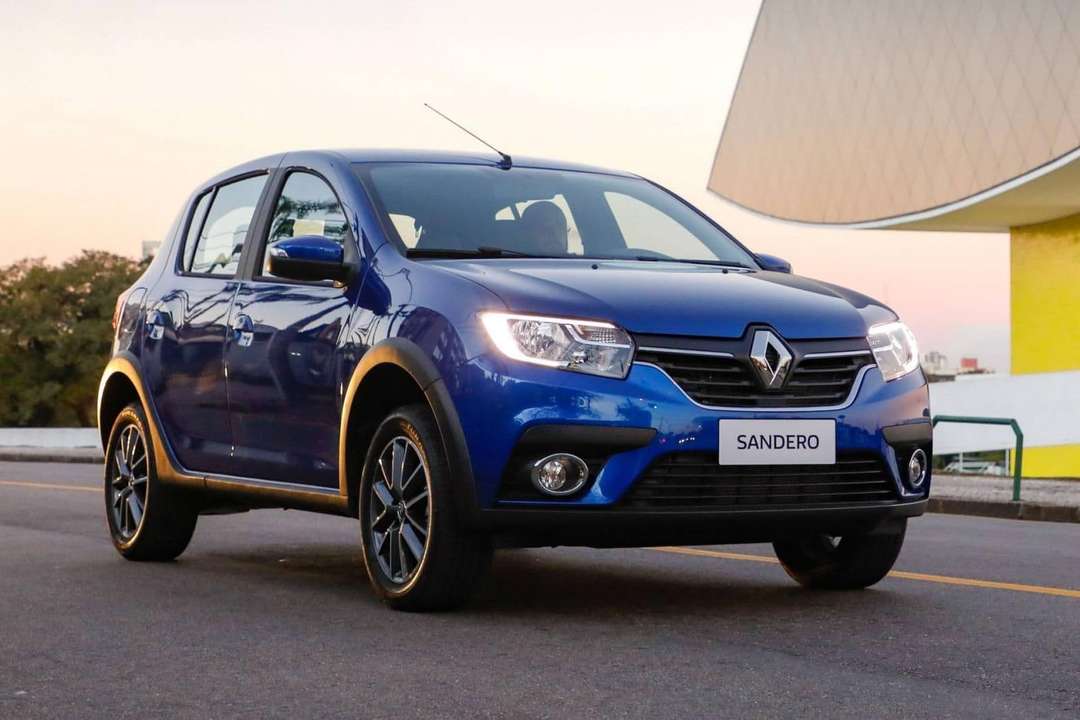
Spotted one in a Sea Point parking garage last month. Honestly, the Sandero II wears its years better than many. At 4 059 mm long and 1 733 mm wide, it avoids the shrunken city-car look. Height at 1 530 mm keeps it hatchback-real, not faux-crossover.
Expression spec is honest motoring. You get 15-inch steelies with plastic covers, colour-coded mirrors and handles, and almost zero chrome. Park next to a Polo Vivo at Menlyn Park; the Polo’s flashier, but the Sandero feels more substantial than its price suggests. Shaped like a proper car, not a toy. That’s the point.
What’s missing from the picture
No LED running lights, no fogs, and no roof rails on the base Expression. Want the Stepway’s bulked-up look? Different car, higher price. Don’t mix them up: the Expression is a no-frills five-door hatch with regular suspension and a 292-litre boot – not a wanna-be SUV.
Cabin & Practicality
Inside, cost-cutting is obvious. Hard plastics everywhere, cloth seats that last but don’t impress, and Renault’s infamous behind-the-wheel audio stalk. Every first-time Sandero driver fumbles for steering wheel buttons that aren’t there. You learn, quickly.
What you get and what you don’t
- Electric front windows, rear winders are manual on Expression
- Bluetooth audio, USB and aux input
- Manual air-con (climate control? Forget it.)
- Dual airbags up front, ABS with EBD, ESC and traction control
- ISOFIX mounts for the outer rear seats
- Seats five, with decent rear legroom for two adults
The boot? 292 litres with the seats up. On a Magaliesberg weekend, I packed a mate’s Expression with two people’s camping gear plus a cooler – still space to spare. If you pack smart, the Sandero offers more boot than a Polo Vivo on paper at least. Drop the 60/40 split and you’ve got a flat-ish load area for those cycling trips or the odd IKEA run.
Ergonomic quirks worth knowing
Driving position is upright, wheel adjusts for height only, not reach. Tall drivers will notice, especially slogging from Joburg to Durban on the N3. Visibility is excellent – slim A-pillars and a tall glasshouse make it easy to sneak through Bree Street traffic jams. Easier than in most crossovers, honestly.
On the Road
The main event is that 0.9-litre turbo triple: 67 kW and 135 Nm, channelled through a five-speed manual to the front wheels. That torque figure? Looks impressive for the segment and, in the right rev range, it delivers.
The torque pocket and how to use it
Below 2 000 rpm, the engine’s asleep. Try to pull off in second and you’ll stall or roast the clutch. Keep it north of 2 500 rpm and it comes alive. The real punch lands at around 3 000 rpm, where it feels genuinely strong for something under a litre.
Heading up the N1 past the Huguenot Tunnel into a Cape wind, I found fifth gear too tall for 120 km/h cruising. Drop to fourth, the engine sits at a gruff 3 500 rpm. That’s the compromise for those long-legged ratios. In city driving, the gearing works in your favour – second stretches nicely through the robots.
Ride, steering and Renault Sandero fuel consumption reality
Suspension is soft, which is a blessing on the cratered tar around Rustenburg and over mall speed bumps. Get ambitious on a cloverleaf and it’ll lean, but that’s not the brief. Electric steering is feather-light and numb. Truthfully, nobody buying a Sandero cares.
Renault claims 5.2 L/100 km combined. Real-life? Figure 6 to 7 L/100 km in mixed conditions – I managed 7.1 L/100 km mostly in urban traffic. A long highway trip to Durban can get you into the high fives, but don’t pin your hopes on brochure numbers. Budget for 6.5 L/100 km average and you’ll avoid disappointment.
Data & Comparison
Spec snapshot
| Spec | Figure |
|---|---|
| Engine | 0.9-litre turbo petrol, 3-cyl |
| Power | 67 kW (90 hp) |
| Torque | 135 Nm |
| Gearbox | 5-speed manual |
| Drive | Front-wheel drive |
| Claimed combined fuel | 5.2 L/100 km |
| Length / Width / Height | 4 059 / 1 733 / 1 530 mm |
| Seats / Doors | 5 / 5 |
| Production years | 2014-2022 |
How it stacks up
| Model | Power | Torque | Claimed L/100km | Gearbox |
|---|---|---|---|---|
| Renault Sandero 66kW Turbo Expression | 67 kW | 135 Nm | 5.2 | 5MT |
| VW Polo Vivo 1.4 Trendline | 55 kW | 130 Nm | 5.7 | 5MT |
| Toyota Etios Sprint 1.5 | 66 kW | 132 Nm | 6.0 | 5MT |
| Ford Figo 1.5 Ambiente | 91 kW | 150 Nm | 6.7 | 5MT |
Ownership and total cost
The big number for anyone considering a Sandero Expression turbo is the projected 5-year total cost: R357 400. That bundles servicing, insurance, fuel and consumables for 20 000 km a year. Divide by 60, and you’re at roughly R5 957 a month, all-in, to keep it running.
Two practical figures to remember:
- Service intervals are set at 15 000 km – longer than what you get with a Polo Vivo or Figo, so fewer workshop stops over five years
- Real-world urban fuel use lands 35-40% above the claimed 5.2 L/100 km – brochure optimism is real
As for the Renault Sandero service plan South Africa: new units shipped with a 2-year/30 000 km plan and a 5-year/150 000 km mechanical warranty. If you’re buying used, check if the service plan got extended, and insist on a stamped service book. No stamps, lower value. Simple.
Reliability and known issues
Renault Sandero reliability? It all depends on the build year. Early (pre-2015) H4Bt 0.9 TCe engines had issues, but Renault fixed pistons, lubrication, and turbo hardware from 2018. A 2019 or 2020 Expression is a far safer bet than a 2015. Buy later if you can.
Things to check before you sign:
- Cold-start rattle from the timing chain area (it’s meant to be lifetime, but listen carefully)
- Oil usage between services – top up after purchase and re-check after 1 000 km
- Injector performance at idle, especially if the car’s done more than 80 000 km
- Idling hiccups usually point to carbon on the valves – a stumble at warm idle is a chance to haggle
- Turbo whistle on overrun; swapping the integrated turbo is pricey
The rest of the Renault Sandero problems list is shorter than the internet would have you believe, but if you’re living in Polokwane rather than Sandton, parts can take longer than with a Hilux or the like. Worth thinking about.
Market context and pricing
It’s a used-car story now: new Sandero stock dried up in late 2022. For a 2019-2020 Expression turbo, expect to see prices between R125 000 and R165 000 depending on mileage and paperwork. That’s your comparison to a R220k-plus brand-new Polo Vivo. The gap covers a lot of fuel or insurance.
SA buyers are flocking to SUVs and crossovers (the segment runs above 70 on interest), while hatches hover in the low 40s. That keeps used Sandero prices steady – demand is elsewhere, so bargains are possible if you’re patient.
People Also Ask
Is the Renault Sandero 66kW Turbo reliable?
Go for a 2018-2020 model and you’re buying the best version of the 0.9 TCe: Renault had sorted the pistons, lubrication and turbo internals by then. With a full service history and 15 000 km servicing using the correct oil, six-figure mileages are absolutely doable. Older (pre-2015) cars are a riskier bet and best avoided.
What is the fuel consumption of a Renault Sandero turbo?
Official claim is 5.2 L/100 km. In South African hands, you’ll see around 6 L/100 km on the highway and closer to 7 L/100 km in urban crawling. If you’re gentle, the turbo rewards you, but a heavy right foot will see numbers beyond 8 L/100 km easily.
How much boot space does the Sandero hatchback have?
It’s 292 litres with the rear seats upright – genuinely competitive for the segment. Fold the 60/40 rear bench and the space opens up enough for a mountain bike (wheels off) or a camping weekend’s worth of gear. The tailgate is wide, so bulky loads are no drama.
What is the Renault Sandero 66kW Turbo Expression price in South Africa?
New, you were looking at around R195 000 for this spec back in 2020-2021. Now, 2019-2020 units typically fetch R125 000 to R165 000 depending on mileage and service history. It’s one of the cheapest ways to get into a turbocharged hatch in SA today.
Should I buy a used Renault Sandero in 2024?
If you can find a 2018 or newer Expression with a full service history, no oil consumption headaches and ideally one owner, yes. The turbo’s extra muscle is real, the five-year/150 000 km warranty could even have time left, and the cabin/boot space outclasses the price tag.
What are common Renault Sandero idling problems?
Higher-mileage 0.9 TCe units sometimes get a rough warm idle, usually from carbon on the intake valves or dirty injectors. A walnut clean or injector service often sorts it. Quick cold-start chain rattle is common for these three-cylinders, but lasting noise is a warning sign.
Verdict
For anyone with a R150k cap who refuses to drive a thrashed non-turbo hatch just to save twenty grand, the Sandero Expression turbo is a clever buy. Roomier than a Polo Vivo, more grunt than an Etios, and cheaper insurance than a Figo 1.5. It’s what the Sandero should have been from the start: a real budget hatch with a real engine, not just a price tag.
Skip it if you’re in the sticks where Renault parts take a week to arrive, or if three-cylinder buzz at 3 500 rpm grates on you. And if you can stretch to R200k, a used Polo TSI is slicker, even if it’s not quicker. Your call…
Rating
7.0 / 10 - Honest, practical, and more muscular than its price suggests. Dealer reach and that three-cylinder edge keep it from scoring higher.
Summary
A South African look at the Renault Sandero 66kW Turbo Expression (Sandero II, 2014-2022): 0.9-litre turbo triple, real-world costs, reliability, and used value for buyers who want practical, affordable hatchback motoring without pretense.