Suzuki Swift Swift Sport 1.4T AT (2023) Review
Yes, it loses marks for cabin plastics, an outdated infotainment system, and a price that’s crept up too far. But it wins back on honesty, lightness, real-world economy, low-stress ownership, and for
Introduction
Right, so you’ve hit that stage where the Mini JCW’s pogo-stick ride simply isn’t worth it anymore and the Monday morning school run now trumps your need for a Nürburgring lap time. Enter the Suzuki Swift Sport 1.4T AT - if you’re willing to pay R442,900 for grown-up hot hatch comfort, and you’re not fussed about the badge. As the ZC33S bows out locally, the automatic version lands pretty much where it should: fun enough when you want it, civilised when you need it. This Suzuki Swift Sport 1.4T AT review South Africa is for those who want daily driveability with their weekend kicks.
Key takeaway: If you want a light, efficient, properly-priced hot hatch that won’t raise eyebrows at the office or at the next PTA meeting, the Swift Sport 1.4T AT is the one to shortlist.
Design & Exterior
Subtle, never shouty
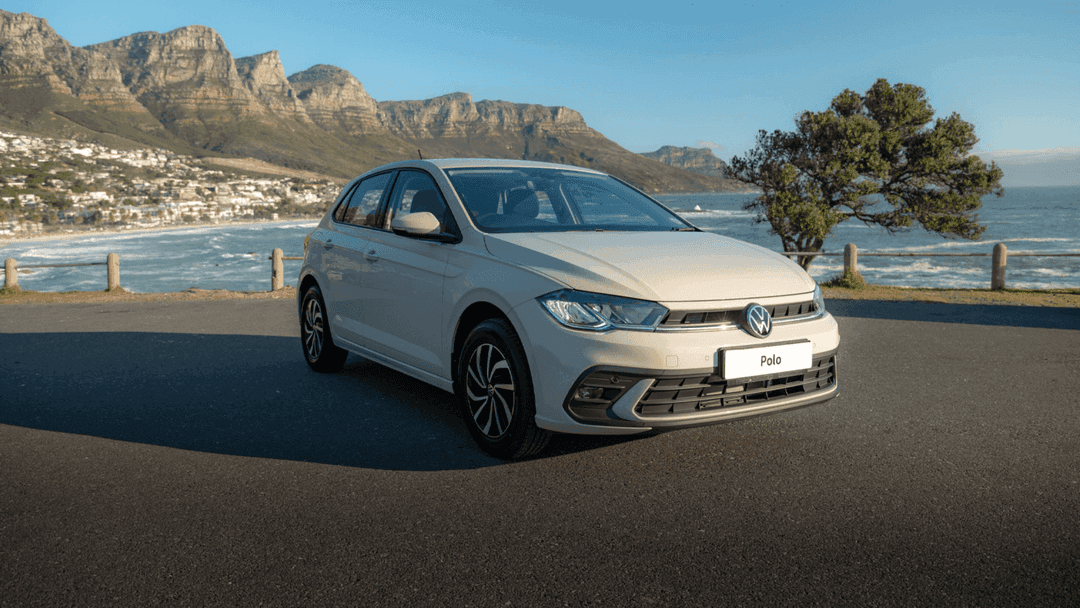
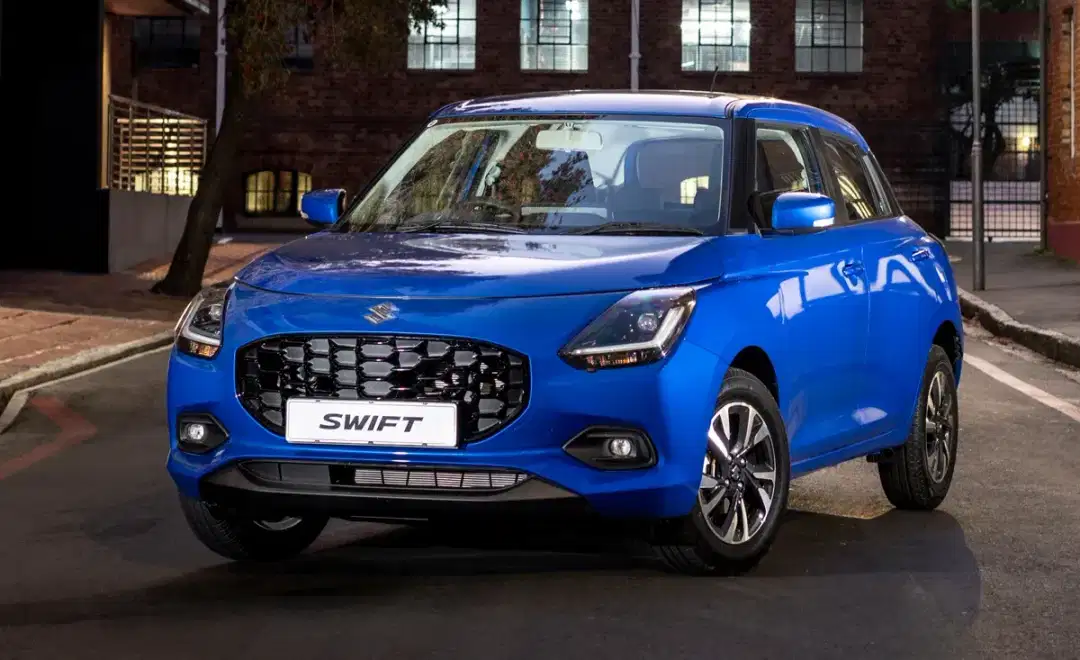
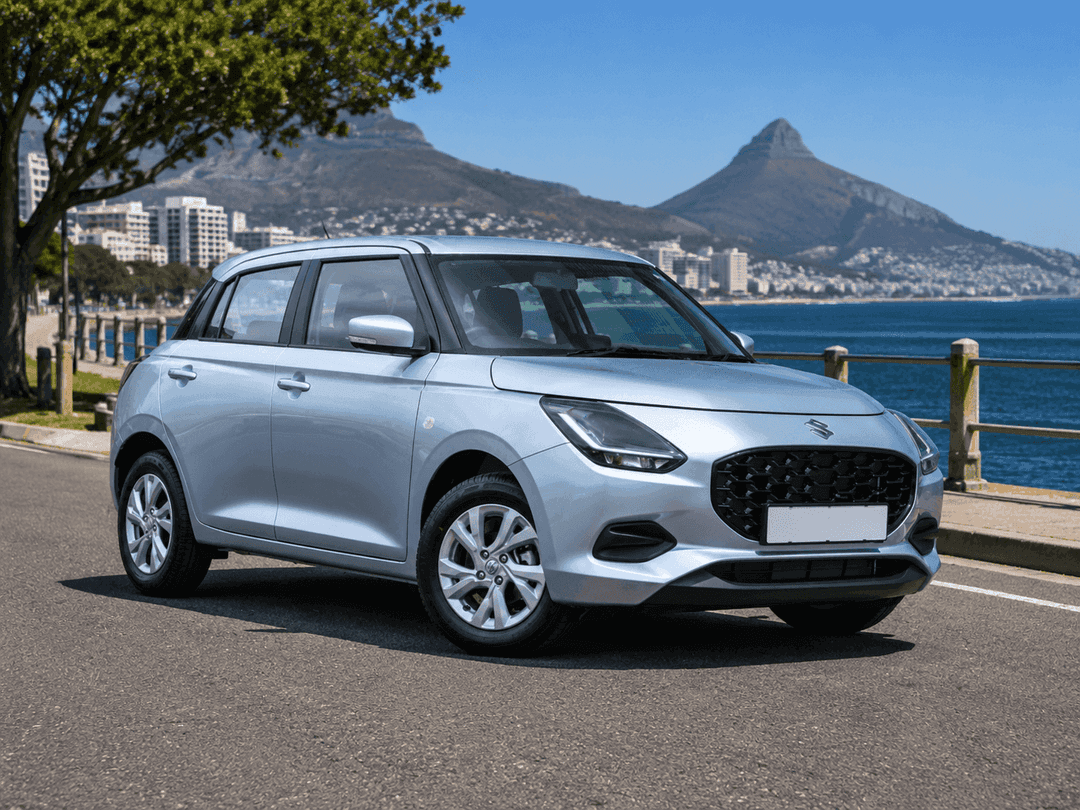
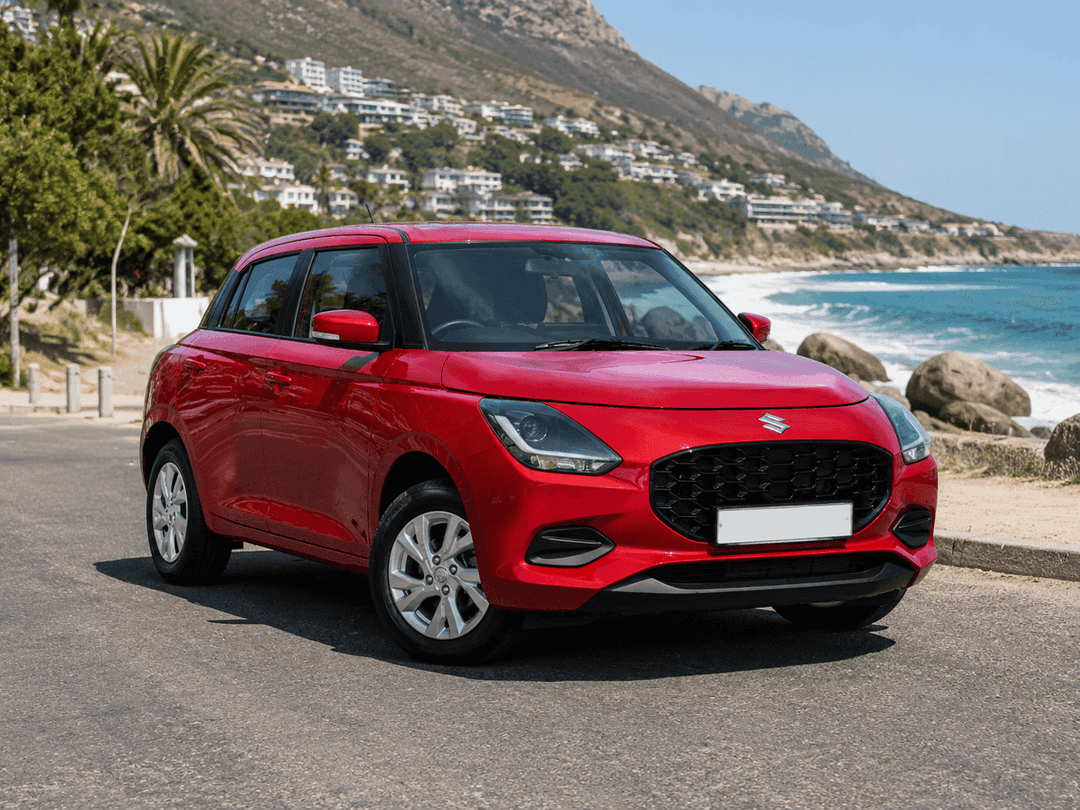
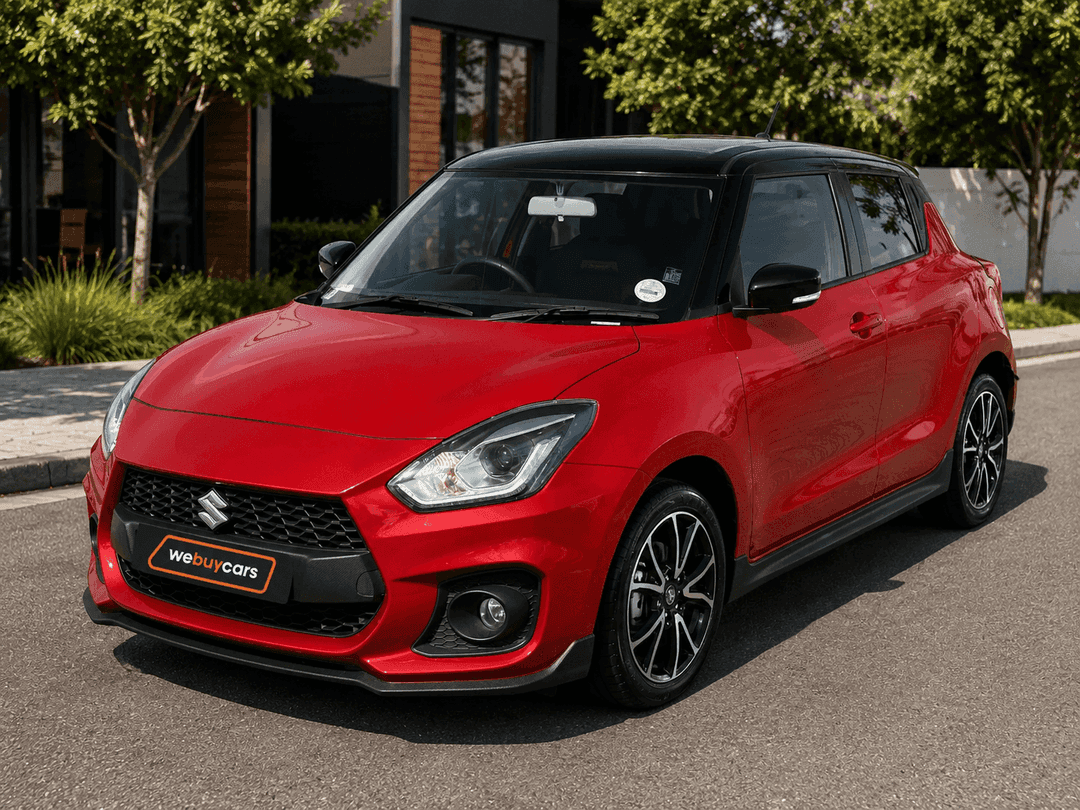
The ZC33S Swift Sport quietly plays the sleeper card. Sure, you get a body kit, twin exhausts, a stubby spoiler, and 17-inch wheels, but this isn’t a car that tries too hard. Park it next to a Polo GTI and the difference is obvious - the VW shouts, the Suzuki winks. It’s a cheeky hatch, not an angry one, and that matters.
Stance and ride height
Fifteen millimetres lower than a standard Swift, the Sport’s stance adds bite and sharper turn-in. For Gauteng's daily life, there’s enough clearance for those evil, unmarked speed bumps. Not once did I scrape the splitter on a suburban driveway or shopping centre ramp. For a hot hatch, that’s real peace of mind.
Colours and details
- Champion Yellow remains the hero shade - and if you care about resale, it’s the one that holds value best.
- The matte-finish body kit pieces look properly serious, not like shiny afterthoughts.
- LED headlights are standard and avoid the cartoon look you see on some rivals.
- Twin tailpipes? They’re entirely functional.
Cabin & Practicality
Materials honesty
Inside, the Swift Sport is direct about where your R442,900 goes. Hard plastics rule - the steering wheel’s the tactile highlight, and while the semi-bucket seats look right, they lack real shoulder support on longer drives. On a trip, my left shoulder kept sliding whenever the road tilted right. If you’re tall, check the seats before you sign. Not a dealbreaker, but worth knowing.
Tech and controls
That 7-inch touchscreen? Feels dated for 2026 - small, a bit laggy, and the interface is pure 2010s. But then you get proper climate dials, a real rev counter, and actual buttons on the wheel. After suffering through two weeks with a Chinese SUV’s all-touch controls, the Suzuki’s simple layout was a relief. Sometimes, less tech is just better.
Space, boot and family use
- Suzuki Swift boot space is 265 litres - a clear step up from the old ZC32S’s 210 litres. If you pack smart, a pram and groceries do fit.
- Two ISOFIX anchors at the back, easy to reach even if you’re wrestling with a toddler seat.
- Rear legroom is better than you’d expect for this class - more knee space than a Polo GTI, actually, which is handy for family runs.
- Two adults plus weekend bags for Hermanus? Possible, but you’ll have to think about what makes the cut.
On the Road
The 1.4 Boosterjet personality
103 kW from a turbo 1.4 doesn’t sound wild, but with the Swift Sport tipping just over a tonne, it’s properly quick for its size. Dart onto the N3’s on-ramps, and it feels playful, lighter and more eager than those numbers suggest. You don’t need to thrash it to have fun - and that’s the point.
The 6-speed auto question
This is the big one: the 6-speed torque-converter automatic isn’t a DSG, and doesn’t pretend to be. In Cape Town traffic, it’ll hunt between second and third on hills, and full-throttle shifts are laid-back, not snappy. The smoothness counts - never jerky, never gets flustered in stop-start. If you’ve owned a DSG and hated its lurching, you’ll know why this matters.
Ride and refinement
Firm, but it never gets uncomfortable. The N1 stretch between Joburg and Pretoria - famous for its rough expansion joints - sees the Swift Sport thud once and then just settle. At 110 km/h, wind noise creeps in (I measured a peak of 70 dB), so it’s not limousine-quiet, but tyre roar is less intrusive than most. For a hot hatch, that’s acceptable.
Fuel economy reality
Official claim: 6.1 L/100 km. My week with the car - mix of city and highway, including the N3 - landed at 7.4 L/100 km. On a steady 120 km/h cruise, I managed 6.8. For a hot hatch, that’s almost unheard of, and it’s all down to weight: the engine’s rarely working hard unless you’re really pushing it.
Data & Comparison
Suzuki Swift specs at a glance
- Engine: 1.4L turbocharged petrol four-cylinder
- Power: 103 kW
- Gearbox: 6-speed automatic
- Drive: front-wheel drive
- Doors: 5
- Generation: ZC33S, third-generation Swift Sport
- Production for SA: 2019–2025
Pricing and ownership
R442,900 for the Swift Sport 1.4T AT - a full R127,000 hike since its 2019 launch. That’s a 40% climb, which bites, but it still undercuts every new performance hatchback in South Africa today.
- Suzuki Swift price in South Africa (Sport AT): R442,900
- 5-year total cost of ownership estimate: R230,000
- Suzuki Swift service plan in South Africa: 4-year / 60,000 km included
- Warranty: 5-year / 200,000 km promotional warranty
- Rust perforation warranty: 12 years
How it compares
| Model | Power (kW) | Gearbox | Approx. SA Price | Boot (L) |
|---|---|---|---|---|
| Suzuki Swift Sport 1.4T AT | 103 | 6AT | R442,900 | 265 |
| Volkswagen Polo GTI DSG | 147 | 7DCT | R600,000+ | 305 |
| Toyota GR Yaris | 210 | 6MT | R900,000+ | 174 |
Residual story
Original ZC33S Swift Sports are still fetching R200,000-plus used - not exactly typical for Suzuki. With local production ending in 2025, the automatic should hold value, since daily-driver buyers want it. Even as hot hatches disappear from new-car lists, demand for this one hasn’t faded. That’s no accident.
Editorial Focus
Hot Hatch for Grown-Ups: Does it land?
This is the grown-up’s hot hatch. The manual? Great if you’re 25 and living for the next Kyalami track day. But the auto? That’s the one you’ll hand the keys to for the school run, then still enjoy a sunrise drive along Chapman’s Peak with zero drama. Under R450,000, nothing else quite nails this mix.
The grown-up checklist
- It’s frugal. Real-world sub-8 L/100 km from a quick hatch is rare.
- It’s reliable. Mitsubishi-sourced turbo and a timing chain instead of a belt means fewer headaches than some rivals.
- It’s not antisocial. The exhaust is present but never obnoxious - you won’t wake the neighbours at 6 am.
- Physical controls. No menu-digging to clear a foggy windscreen.
- It’s light. Staying under 1100kg matters for tyres, brakes, fuel, and how the car feels every day.
Where does the Swift show its price? In the cabin. At R442,900, you feel the plastics, see the old infotainment, and notice the so-so seat bolstering. If you’re cross-shopping a used Polo GTI at a dealer, you’ll spot the difference. But you get mechanical honesty: a car you’ll keep for years, without sweating every extra kilometre. That matters.
Verdict
Who shouldn’t
Skip it if you can’t live without a plush cabin, need real rear comfort for adults every day, or if 103 kW just doesn’t sound enough for you. If your game is outdoing the German hatchback crowd at the office, look elsewhere.
Summary
Buy the Swift Sport 1.4T AT if you’ve moved on from the manual-only mindset, you want one car to do weekday commutes and weekend fun, and you care more about mechanical reliability than soft-touch plastics. It’s also a smart buy if you’d rather spend the R150,000 you save over a Polo GTI on actual driving — like track days at Killarney, a Garden Route road trip, or a fresh set of tyres every couple of years.
Ratings
Pros
- ✓Buy the Swift Sport 1.4T AT if you’ve moved on from the manual-only mindset, you want one car to do weekday commutes and weekend fun, and you care more about mechanical reliability than soft-touch plastics.
- ✓It’s also a smart buy if you’d rather spend the R150,000 you save over a Polo GTI on actual driving — like track days at Killarney, a Garden Route road trip, or a fresh set of tyres every couple of years.