Suzuki XL6 1.5 GLX - Review

A charming and well-equipped six-seater that earns its narrow premium through comfort and presentation, but dated performance and a two-airbag safety package keep it from scoring higher.
Introduction
The Suzuki XL6 occupies a rather interesting space in the South African market. It is not quite an SUV, despite Suzuki dressing it up to look like one, and it is not really the traditional people-mover we have become accustomed to either. What it does offer is six seats, captain’s chairs in the second row and enough practicality to make a convincing argument for itself as family transport.
Underneath it all, however, there is still plenty of Suzuki Ertiga DNA. The platform is familiar, the engine is familiar and much of what makes the Ertiga such an affordable family car remains intact. The XL6 simply arrives wearing a nicer jacket.
I spent 1,120km with the entry-level XL6 GL manual, covering everything from Highveld traffic and long N1 stretches to some less-than-perfect gravel. The question I wanted answered was simple: is the XL6 genuinely worth spending more on, or are you mostly paying for captain’s chairs and a tougher-looking face?
Key takeaway: The XL6 offers a more comfortable and better-presented take on Suzuki’s familiar people-mover formula, but underneath the styling and six-seat configuration, much of the Ertiga remains.
Design & Exterior
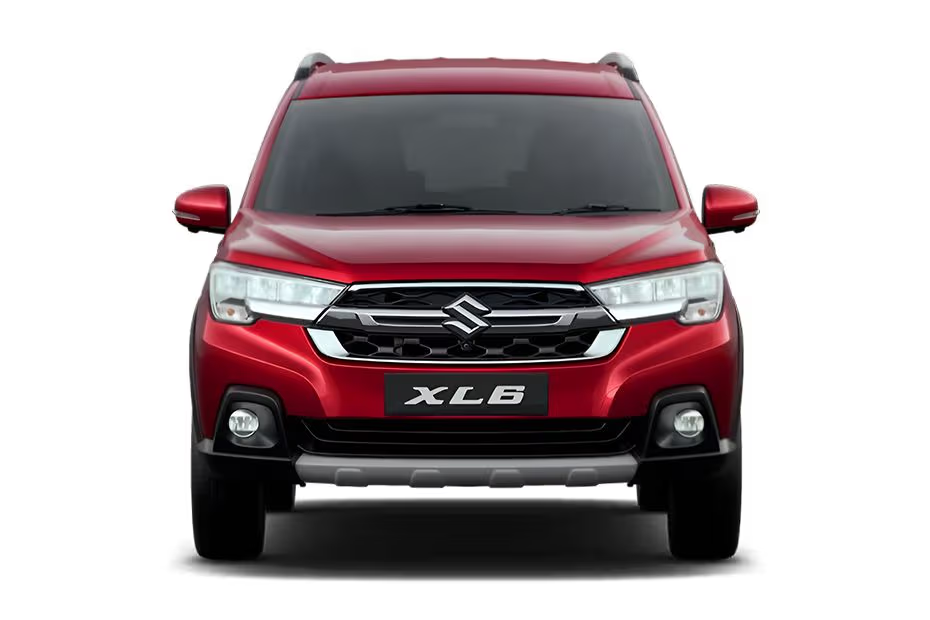
Suzuki has come a long way from being viewed purely as a manufacturer of inexpensive little cars, and the XL6 is another example of that progression. Place it alongside the Ertiga and the differences become immediately apparent, with a chunkier front end, black cladding around the wheel arches, a more prominent grille and enough crossover influence to give the XL6 considerably more road presence without making it look as though it is trying too hard.
At 4,445mm long, 1,775mm wide and 1,700mm tall, the XL6 remains compact enough for everyday driving. That matters when most of your time is spent negotiating shopping centres, school parking areas and Johannesburg traffic rather than heading off into the wilderness. Visibility is good too, with the large glasshouse making the XL6 easy to place on the road. Despite its people-mover proportions, squeezing it into a Sandton parking bay did not require several attempts or an argument with the parking sensors.
The 15-inch wheels do look slightly undersized beneath the chunky wheel arches, though, and it is one of those details you probably would not notice until someone points it out. Once you do, it becomes difficult to ignore. LED headlights, LED daytime running lights and LED taillights are standard on the GL and help give the XL6 a more expensive appearance than its mechanical relationship with the Ertiga might suggest.
Overall, the design works. It is clean, sensible and just rugged enough without becoming a costume.
Cabin & Practicality
The cabin is where the XL6 starts making a much stronger argument for itself. Instead of the Ertiga's conventional second-row bench, Suzuki has installed two individual captain’s chairs, and that single change alters the character of the interior substantially.
Parents will probably appreciate this more than anyone else because there is a proper walkway between the seats, access to the third row becomes easier and children can climb into the back without requiring half the cabin to be rearranged first. It sounds like a relatively small change, but after living with the vehicle for a few days, it starts to feel like one of the XL6's biggest advantages.
Materials and layout
Suzuki has not attempted to convince anyone that this is a luxury vehicle. There are hard plastics around the lower sections of the dashboard and doors, but everything feels solidly assembled and appropriately specified. I actually prefer that honesty to manufacturers covering inexpensive plastics in fake stitching and gloss trim in an attempt to convince you they are something else.
The GLX receives some additional visual treatment, including lighter interior finishes and leather upholstery, but even the GL does not feel particularly stripped out. There is a 7-inch touchscreen with wireless Apple CarPlay, automatic climate control, rear air vents, cruise control, keyless entry and push-button start. Nothing here is revolutionary, but importantly, very little leaves you feeling short-changed either.
The infotainment system is simple enough to understand and, like most Suzuki interiors, the important controls are where you expect them to be. There is very little learning required before you simply get in and drive.
Seats and boot flexibility
The captain’s chairs are easily one of the XL6's strongest features. They offer good comfort over longer journeys and make the second row feel far more premium than the traditional bench-seat arrangement found in most vehicles at this price point.
Adults can use the third row, although I would not volunteer to spend a Johannesburg-to-Durban trip back there. For children or occasional shorter journeys, however, it works perfectly well.
With all six seats in use, luggage capacity sits at 209 litres. During my time with the car, that was enough for a compact pram and a couple of softer bags, but packing for six people would require some negotiation. Fold the third row and capacity increases to 550 litres, which transforms the XL6 into a far more useful family vehicle. With more seats folded, Suzuki quotes up to 692 litres and the resulting loading area is relatively flat.
There are ISOFIX mounting points too, but one omission bothered me considerably more than I expected: there is no proper parcel shelf covering the luggage area. That might sound insignificant on a specification sheet, but anyone living in Gauteng understands why leaving laptops, bags or shopping visible through the tailgate is not ideal. Practicality needs to work in the environment where the vehicle is actually being used, and in South Africa, that matters.
On the Road
Under the bonnet is Suzuki's familiar 1.5-litre naturally aspirated petrol engine producing 75kW paired in this particular test unit with a five-speed manual gearbox. This is probably where expectations need to be managed because the XL6 is not fast.
There is no turbocharger helping compensate for Gauteng altitude and there is certainly no great surge of torque waiting halfway through the rev range. Overtaking requires planning and, with several passengers aboard, even more planning. That does not necessarily make the engine bad, though, because around town the combination actually works quite well.
Powertrain and gearing
The clutch is light, the gearbox is easy to operate and the relatively short ratios mean the XL6 does not feel excessively lethargic when pulling away from traffic lights. Get onto the highway, however, and its limitations become more obvious.
Between 90km/h and 100km/h, the XL6 seems happiest. Push beyond that and you begin asking more from the engine, particularly when encountering long inclines or carrying additional passengers. My own 0-100km/h estimate came in at approximately 13.4 seconds with no passengers aboard.
Nobody buying an XL6 is likely to spend weekends chasing acceleration times, but the figure does help illustrate the point that this is a vehicle designed around efficiency and practicality rather than outright performance.
Fuel consumption proved far more impressive. Over the mixed 1,120km test period, consumption settled at approximately 6.8 L/100km. Around town it crept beyond 7 L/100km, while more relaxed highway driving brought the numbers down again. For something capable of carrying six people, that is respectable.
Ride and refinement
What surprised me most was how comfortable the XL6 remained once the road quality deteriorated. South African roads tend to expose weaknesses fairly quickly, but along older sections of the N1, over expansion joints and through the occasional rough toll-plaza approach, the suspension remained composed.
Even on corrugated gravel, the XL6 absorbed imperfections with considerably more maturity than its relatively modest price might suggest. A particularly deep washaway eventually found the limits of the rear suspension and produced a fairly unpleasant thump, but I expected a rattle afterwards and there wasn't one. That tells you quite a bit about the way the car is screwed together.
Crosswinds are more noticeable because of the XL6's tall body and occasionally require small steering corrections, but the steering itself is light and predictable. This is not a driver's car, nor does it need to be. What matters is that after several hundred kilometres you can climb out without feeling as though you have spent the afternoon wrestling with it.
Data & Comparison
Price is ultimately where the XL6 discussion becomes complicated. The range begins with the GL manual before progressing through automatic and better-equipped GLX derivatives. The problem is that each step brings the XL6 closer to vehicles buyers may consider more substantial, while the cheaper Ertiga remains sitting just across the showroom floor.
That means specification matters, but so does the deal sitting on the finance manager's desk.
Pricing and running costs
For anyone researching the Suzuki XL6 price in South Africa, I would look beyond the advertised retail figure and compare actual transaction prices across the GL manual, GL automatic and GLX derivatives. The GL manual remains the version that makes the most sense to me because it contains most of the equipment you actually need while keeping the XL6's greatest strength intact: relatively affordable ownership.
Based on the figures supplied for this comparison, estimated five-year ownership costs sit at around R230,000. The claimed fuel consumption for the manual is approximately 6.0 L/100km, compared with the 6.8 L/100km I achieved during mixed real-world driving.
Suzuki's local ownership package includes a 5-year/200,000km warranty and 4-year/60,000km service plan under the terms referenced for this vehicle. Buyers should naturally confirm the current package applicable to the specific vehicle before signing the deal.
How it stacks up
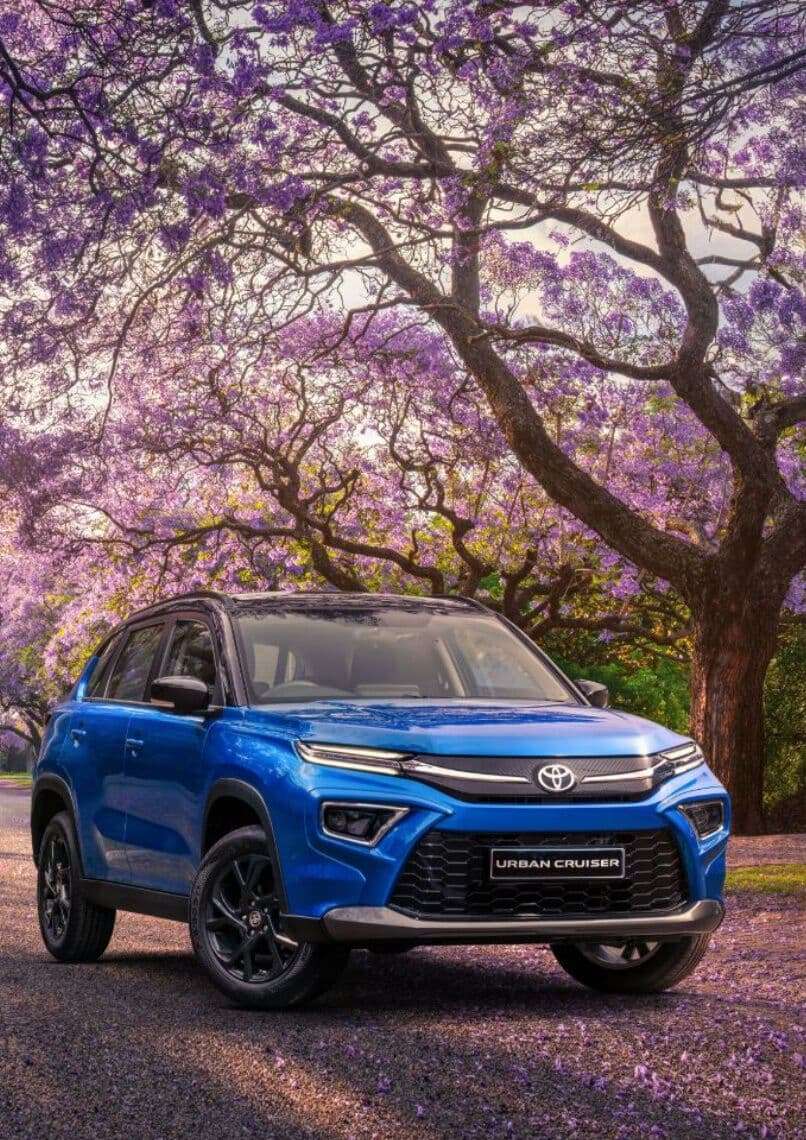
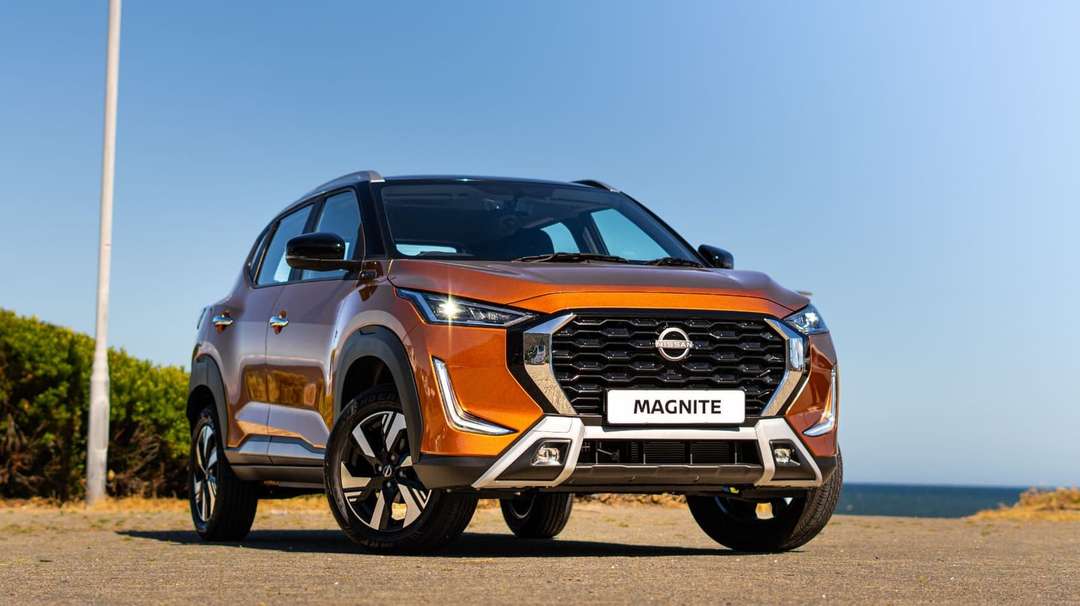
The obvious rivals are the Toyota Rumion, Mitsubishi Xpander and Suzuki's own Ertiga. They essentially attack the same family problem from slightly different directions.
| Model | Seats | Engine | Positioning |
|---|---|---|---|
| Suzuki XL6 1.5 GL | 6 | 1.5 petrol, 75kW | SUV-inspired styling with individual second-row captain's chairs |
| Toyota Rumion | 7 | 1.5 petrol | Practical seven-seater with a strong ownership proposition |
| Mitsubishi Xpander | 7 | 1.5 petrol | Seven-seat alternative with more dramatic styling and a slightly different market position |
On pure value, the Rumion makes a convincing argument. The Ertiga is similarly difficult to ignore because it offers seven seats while retaining much of the XL6's mechanical package. The Suzuki fights back with presentation, though. Its cabin feels a little more special, the captain’s chairs are genuinely useful and externally it looks considerably less like something waiting outside OR Tambo with a laminated passenger name in the windscreen.
That distinction will be worth money to some buyers. To others, it won't.
Segment Demand
South Africans continue to have an enormous appetite for SUVs and double-cabs, which leaves traditional MPVs operating in a comparatively small corner of the market. That potentially presents both a disadvantage and an opportunity.
Resale demand may never match some of the country's more popular SUV nameplates, but buyers willing to negotiate could find better deals on demonstrators, accessories or service-plan extensions. It is worth having that conversation with the dealer instead of automatically accepting the number printed on the windscreen.
Editorial Focus
The premium Ertiga: is the XL6 worth the step up?
This is ultimately the question the XL6 has to answer because underneath the tougher styling, it remains closely related to the Ertiga. The two share their basic platform, engine and much of their hardware, but Suzuki has approached the packaging differently.
With the XL6, you lose one seat but gain two captain’s chairs. You also gain LED lighting, more assertive styling and, depending on specification, a cabin that feels noticeably more upmarket. What you do not gain is more power, a vastly more sophisticated suspension setup or an additional seat.
The extra money therefore buys comfort and presentation rather than significantly more car, and that distinction is important.
If I had one or two children and regularly travelled long distances, I could understand spending more on the XL6. The captain’s chairs make the second row a genuinely pleasant place to spend several hours and the walkthrough arrangement makes accessing the rear far easier. On a Johannesburg-to-Durban run, those things matter considerably more than they do during a ten-minute test drive around the dealership.
If, however, seven seats are essential or the monthly instalment matters more than second-row comfort, the Ertiga immediately becomes difficult to ignore. The Rumion presents the same problem.
So yes, the XL6 is better in certain areas, just not everywhere.
Verdict
The Suzuki XL6 succeeds because it understands exactly what it is. It is not pretending to be an SUV despite borrowing some of the styling language, and it is not trying to be a luxury MPV either. Instead, Suzuki has taken the sensible foundations of the Ertiga, improved the presentation and created a more comfortable six-seat family vehicle.
The captain’s chairs are the star of the package. The ride is comfortable, fuel consumption is reasonable and there is enough equipment aboard to make daily life easy. Its weaknesses are equally clear, though. Performance is modest, particularly at Highveld altitude, seven-seat buyers immediately have better options and the price premium over the Ertiga becomes harder to justify if the captain’s chairs are not important to you.
Would I buy one? If I specifically wanted six seats and valued second-row comfort, absolutely. The XL6 makes plenty of sense. If I simply needed as many seats as possible for as little money as possible, I would walk a few metres across the Suzuki showroom and start looking at the Ertiga instead.
The XL6 is not necessarily more car. It is simply a nicer way of carrying six people.
Summary
For South African families, the 2026 Suzuki XL6 1.5 GL offers six useful seats, agreeable Highveld manners and sensible running costs. The harder question is whether this dressed-up Ertiga earns its premium over its cheaper sibling and the Toyota Rumion.
Ratings
Pros
- ✓If your small family wants captain's chairs, straightforward running costs and SUV-influenced styling without moving to a bulky seven-seater.