Toyota Hilux 2.4 Raider single-cab vs Toyota Hilux D/C 4x4 Raider (2025)

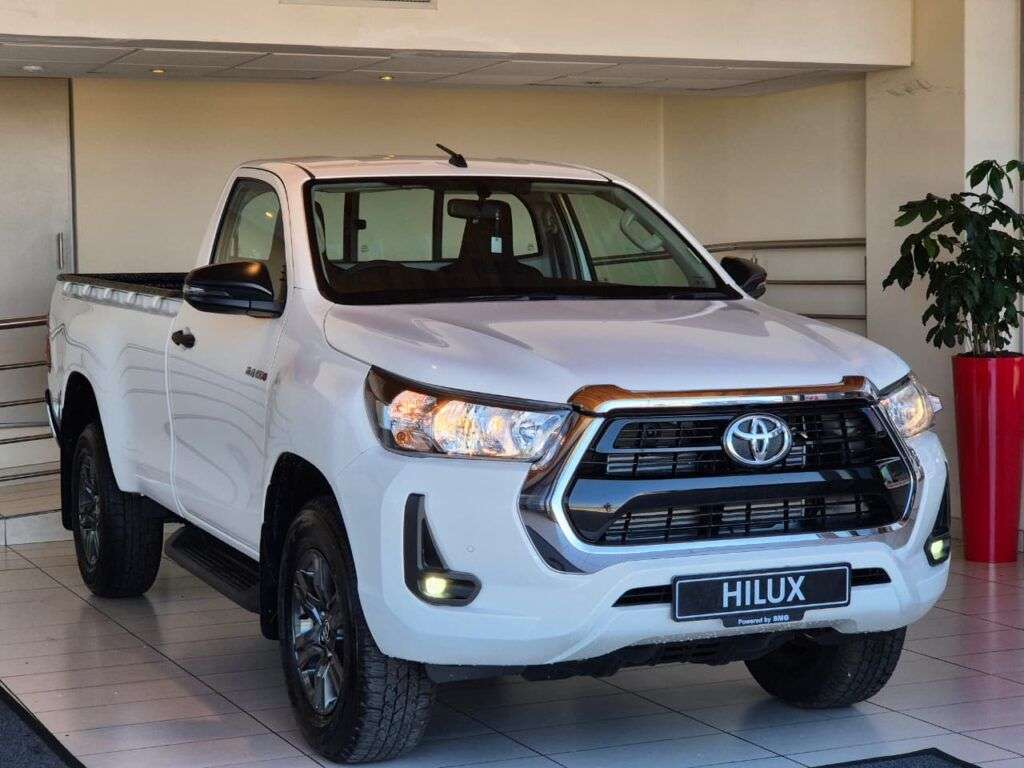
Who should buy what This is the easiest hilux single cab vs double cab pick in years, and that’s the point - both now wear the updated Raider gear, and both use tried-and-tested engines.
Introduction
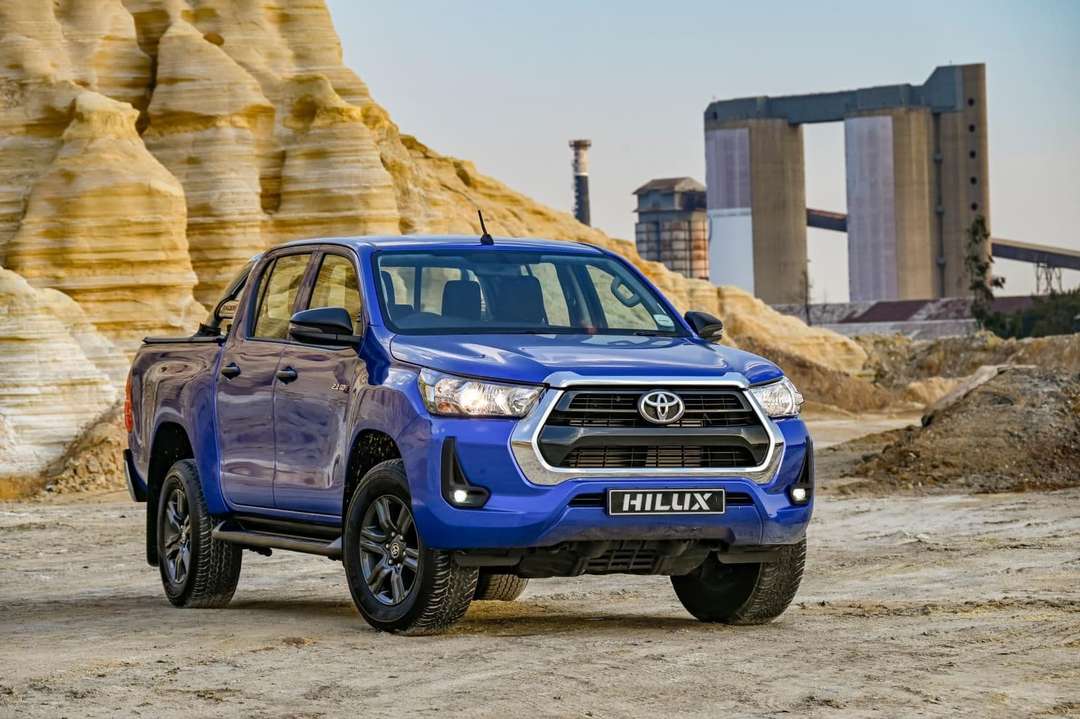
Look - if you want a bakkie that pulls its weight from the edge of the Limpopo to the wind-whipped Cape Flats, the Hilux 2.4 GD-6 4x4 Raider Single Cab is still the smart money. But if your week means school runs and your weekends need a double bed in the back, the 2.8 GD-6 Double Cab 4x4 Raider makes more sense. Eighth-generation Hilux (AN120/AN130) has never offered a sharper split. We buy bakkies in bulk in SA, often more than hatchbacks, and Toyota’s figured out exactly how to package them.
Key takeaway: Raider Single Cab for two-up graft and serious payload; Raider Double Cab 2.8 if you want family flexibility, long-haul comfort and extra grunt.
Design & Exterior
Stance and proportions
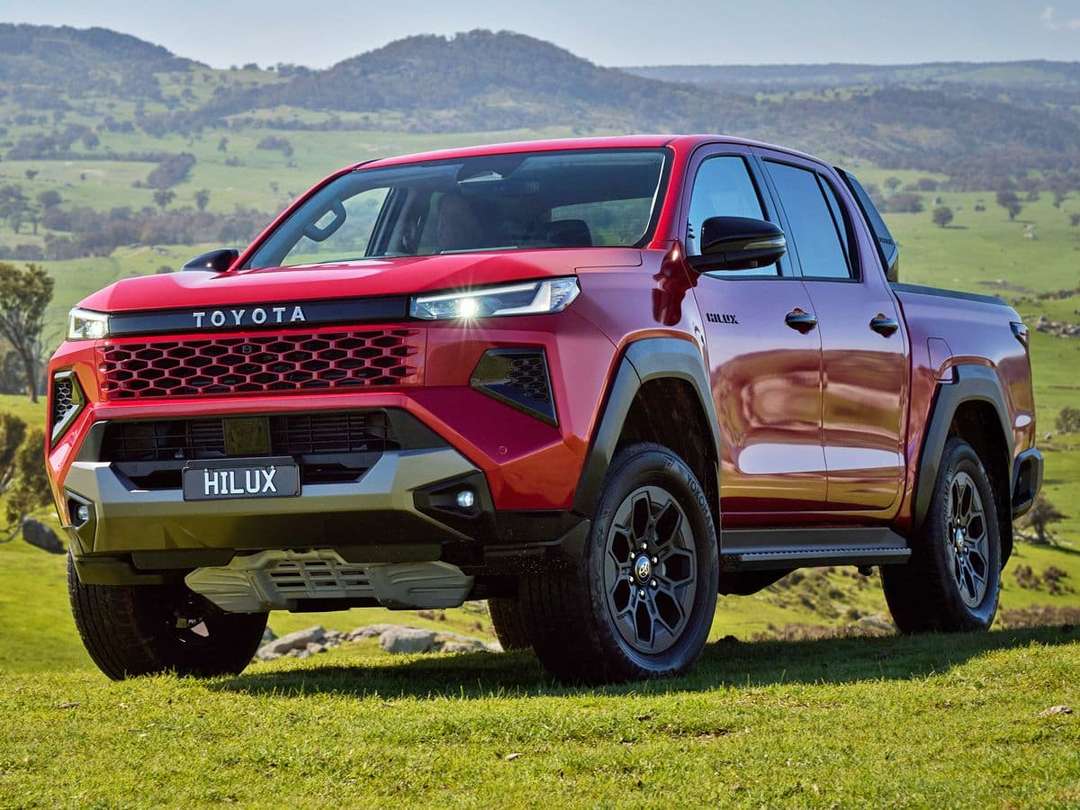
Both wear the 2024 Raider facelift: angry honeycomb grille, LED headlights, 17-inch black wheels, and black side steps. Same 5325 mm length, same 1855 mm width, so parking at Builders Warehouse is just as tight for both. The Single Cab sits 20 mm lower at 1795 mm, while the Double Cab stands at 1815 mm. That longer load bay on the Single Cab stretches the profile, and it’s not just for show - if you’re loading timber or bulk bricks, every centimetre counts.
Which feels more premium
Side by side, the Double Cab Raider screams adventure and family. It’s got the four doors and Sani Pass stance. The Single Cab? Pure utility, and that’s not a dig - if you’re buying a Single Cab for style, you’ve missed the point. On corrugated gravel outside the Kgalagadi, the Single Cab’s longer rear leafs settle down nicely with a load. Unladen on tar, both bounce like Hiluxes always have. No surprises there.
Cabin & Practicality
Materials and infotainment
Toyota’s cabins play it safe. Both get the eight-inch touchscreen with wireless Apple CarPlay and Android Auto, a leather-wrapped steering wheel, and those familiar hard plastics on the doors - not luxurious, but they’ll last well past the warranty. Electric driver’s seat sometimes pops up on the Double Cab Raider, never on the Single Cab. Old-school climate buttons survive in both, which is exactly what you want when you’re fumbling for the demister before sunrise in Dullstroom. Practicality, not fashion.
Seats, doors and load
- Toyota Hilux 2.4 Single Cab Raider: 2 doors, 2 seats, maximum load bay - two Euro pallets fit if you pack smart.
- Toyota Hilux 2.8 Double Cab Raider: 4 doors, 5 seats, ISOFIX on the outer rears, but a much shorter load bay.
Rear legroom? Not a topic in the Single Cab, but the Double Cab has enough for grown-ups to do Joburg to Margate without getting grumpy. In bakkie-speak, the “boot” is the load bay. The Single Cab wins hands down for raw deck length. The Double Cab wins in terms of passenger space. So, if you’re moving stuff, Single Cab. If you’re moving people, Double Cab.
On the Road
The 2.4 Single Cab
For sure, 110 kW and 400 Nm through a six-speed auto isn’t going to blow your hair back. Still, it gets the job done. Independent local numbers put 0-100 km/h at about 13 seconds for the 2.4 GD-6 4x4. I once loaded up 400 kg of paving stones and ran Centurion to Bela-Bela. The bakkie didn’t flinch. At 120 km/h on the N1, sixth gear holds steady, but overtaking a slow-moving tanker outside Hammanskraal takes patience and a heavy right foot. Steering stays light, the turning circle is big because of the extended rear, and unladen leaf springs still give you that Hilux jiggle over Sandton speed bumps.
The 2.8 Double Cab
Step up to 130 kW and 450 Nm, and the difference is immediate. That extra 50 Nm makes life easier, especially when pulling between 80 and 120 km/h with a braked trailer behind you, say up Van Reenen’s. I towed a 1.5-tonne off-road caravan to Dullstroom in a 2.8 Double Cab Raider. Less stress, less revving, more relaxed. Transmission logic is the same as the 2.4, just with more muscle to play with. With five up, ride quality trumps the Single Cab - permanent weight over the axle makes all the difference.
Specs & Ownership
Side-by-side numbers
| Spec | Toyota Hilux 2.4 GD-6 Single Cab Raider | Toyota Hilux 2.8 GD-6 Double Cab Raider |
|---|---|---|
| Engine | 2.4L Diesel | 2.8L Diesel |
| Power | 110 kW | 130 kW |
| Torque | 400 Nm | 450 Nm |
| Gearbox | 6-speed automatic | 6-speed automatic |
| Drive | 4WD | 4WD |
| Combined fuel consumption | N/A (Toyota does not publish) | 8.5 L/100 km |
| 0-100 km/h | ~13 sec (independent SA test, 2.4 GD-6 4x4) | Not officially published |
| Doors / Seats | 2 / 2 | 4 / 5 |
| L x W x H | 5325 x 1855 x 1795 mm | 5325 x 1855 x 1815 mm |
| 5-yr TCO estimate (ZAR) | R230 000 | R425 500 |
Total cost of ownership
Here’s the kicker: the Single Cab Raider’s five-year total cost sits at R230 000, versus R425 500 for the Double Cab Raider. That R195 500 Gulf buys more than a year of private schooling. Both stick to Toyota’s 10 000 km/12-month service intervals - less than the Ford Ranger’s 15 000 km, which matters if your wheels rack up the miles. Hilux holds its value because you can trade one in Bloem or Mthatha and get a fair shake, and spares are everywhere. The Single Cab stays in high demand for fleets; Toyota moved more than 10 000 Hilux units in just the first four months of 2025.
Verdict
- Toyota Hilux 2.4 GD-6 Single Cab Raider: Buy if you’re a farmer, tradie, contractor, or fleet boss who needs two seats, the longest load bay, and the lowest five-year bills. R230 000 TCO is hard to argue with, and the 110 kW/400 Nm combo is honest bakkie power.
- Toyota Hilux 2.8 GD-6 Double Cab Raider: Buy if you’re hauling family, need ISOFIX, regularly tow over two tonnes, or rack up the kays. The 130 kW engine and claimed 8.5 L/100 km make long runs easy.
- Value hunters will always gravitate to the Single Cab Raider. The Double Cab’s R425 500 TCO only makes sense if you constantly use the back seat.
- If you’re waiting: If a new hybrid Hilux due in 2026 matters to you, and you can squeeze another year out of your current bakkie, wait. Otherwise, the current Hilux is a bulletproof buy, with backup from Polokwane to Plett.
I spent a week running both Raiders over tar, gravel, and loaded up for a supply run. For pure graft, the 2.4 Single Cab still gets my nod. For everything else - family, towing, road trips - the 2.8 Double Cab Raider is the better all-rounder. Most South Africans will see it the same way...
Summary
Let’s put two 2024 Toyota Hilux 4x4 Raider models under the microscope: the 2.4 GD-6 Single Cab automatic and the 2.8 GD-6 Double Cab automatic. South Africans weighing up hilux single cab vs double cab choices are really asking: do I need a no-nonsense workhorse, or is my life half bakkie, half fam