Why the R1.3m Toyota Prado Makes Financial Sense

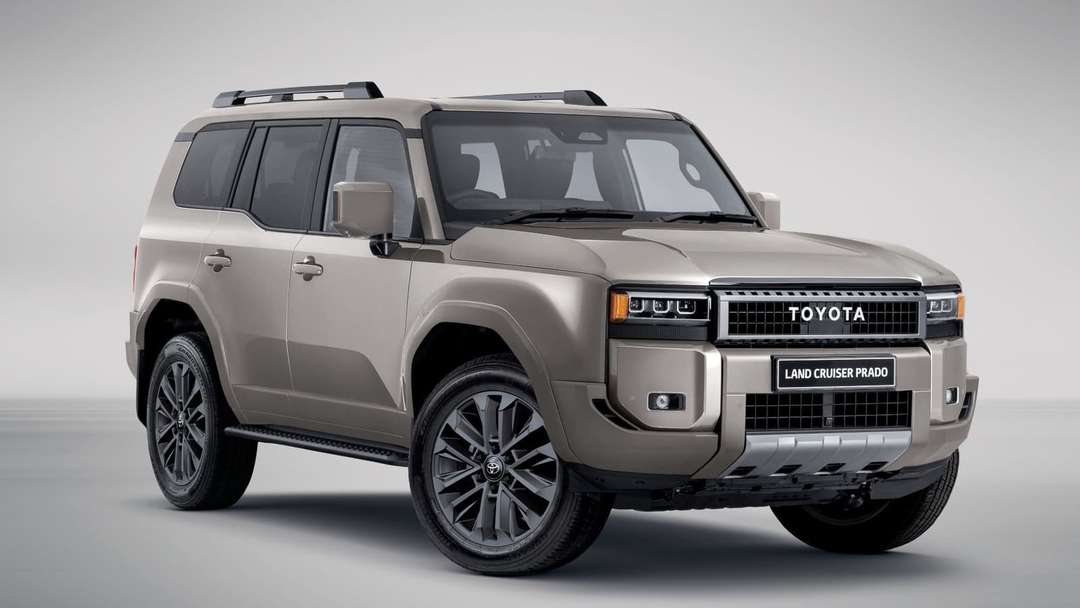
Exceptional resale value, proven dependability and excellent gravel manners carry the Prado. Its packaging flaw and the temptation of a used LC300 keep it short of greatness.
Introduction
Buy the 2026 Toyota Land Cruiser Prado if you expect years of caravan towing, farm work along the R572 or long stints across Free State gravel. Its reputation for resale value does more convincing than the cabin ever will. People love talking about the Prado’s legendary residuals, but few bother checking what dealers are actually asking for used examples.
As of 2026, a new Prado VX-L sits above R1.5 million, which raises the uncomfortable question that launch excitement tends to dodge: is it really a smarter buy than a used Land Cruiser 300 or nearly-new Prado 150 VX-L?
That’s the point of this Toyota Land Cruiser Prado review in South Africa.
Key takeaway: Prado resale strength is real and measurable, but the new VX-L makes financial sense only if you keep it for years. Otherwise, a used 150 or LC300 is the sharper buy.
Design & Exterior
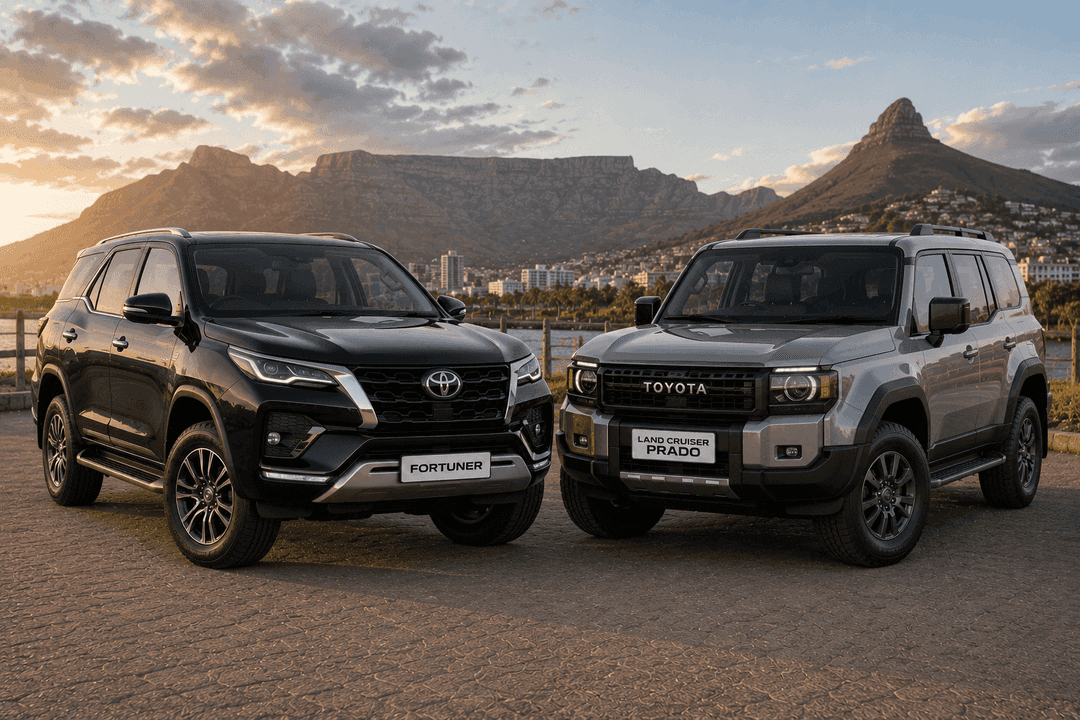
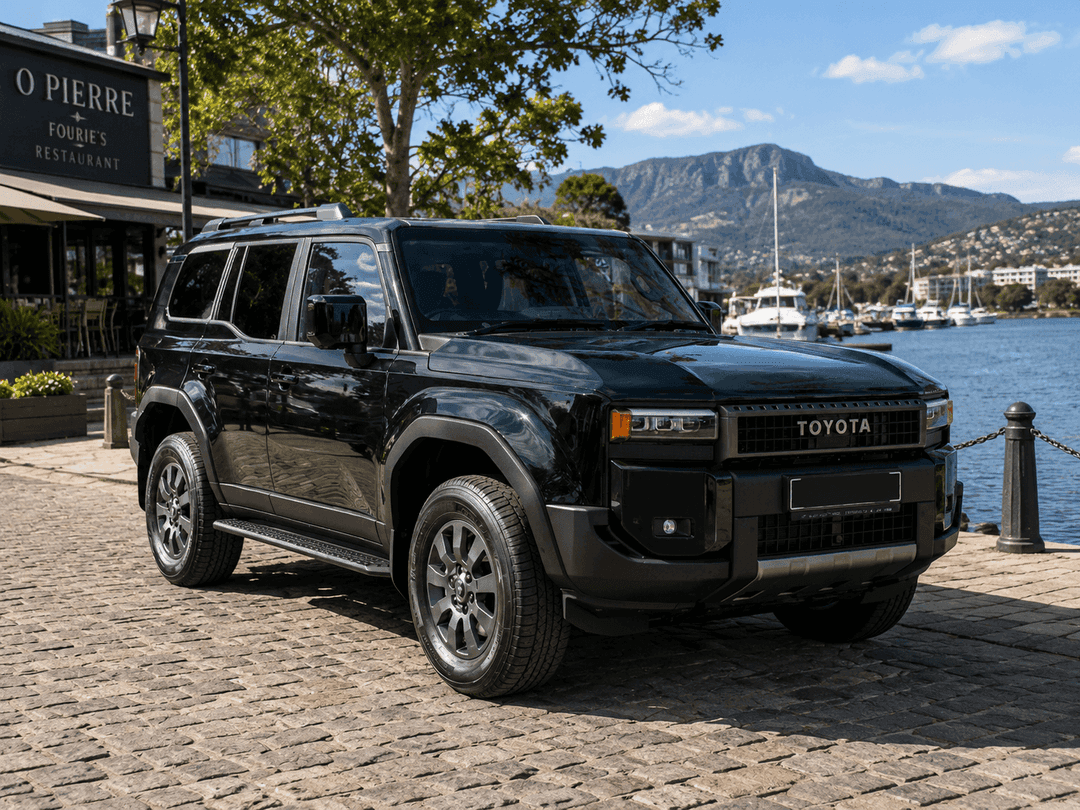
Gone is the outgoing Prado’s rounded anonymity. Squared shoulders, an upright nose and a properly purposeful stance give the 250-series some much-needed character. It looks serious without performing for attention, which should please overland buyers more than another dose of Sandton showroom theatre.
Local buyers choose between TX, VX-R and VX-L. The flagship VX-L wears 20-inch wheels with 265/60 all-terrain rubber, while the VX-R sticks with chunkier 18s. That matters, because larger wheels tend to spoil ride quality once corrugated gravel enters the picture. Toyota has at least retained proper off-road tyres. A stated 216mm of ground clearance handles district roads and sensible river crossings without turning every school run into a recovery exercise.
Cabin & Practicality
Materials and controls
Inside, Toyota has shown welcome restraint. Physical climate knobs and proper buttons remain, while the screen provides useful information without consuming the dashboard. Everything I touched felt tightly assembled, and nothing buzzed while the body flexed through a rutted gravel section. Built to last. Hard lower-door plastics feel cheap, though, which is difficult to forgive at this price.
The seven-seat boot problem
Here’s the packaging snag many buyers could miss. Because the 48V mild-hybrid battery sits beneath the load floor, the third row on seven-seat versions folds on top instead of disappearing into it. You’re left with a high loading lip and awkward plastic riser boxes.
- The compromise is built into this generation rather than linked to an optional trim package.
- The older 150, the LC300, Everest and Patrol avoid the same arrangement.
- SA-spec listings are configured as five-seaters, which sidesteps the worst packaging penalty.
Need a genuinely flat seven-seat load area? A used 150 immediately looks more convincing. During our check, the five-seat Prado swallowed two 90-litre duffel bags lengthways with 310mm of floor space remaining, but that useful result doesn’t fix the third-row problem.
On the Road
Ride and refinement
Power comes from a 2.8-litre turbodiesel producing 150kW and 500Nm, with a claimed 7.9 L/100km and 0–100km/h in 9.9 seconds. Properly quick? No. Nor should it be. Prado ownership is about an easy, torque-rich stride rather than outright pace. The ride can be less convincing at low speeds, though. I felt a persistent jiggle near Harrismith, where patched sections beside the N3 kept the body moving long after each sharp impact. It’s a reminder that all that off-road hardware still has to deal with ordinary South African roads.
Gravel and towing
Gravel suits it better. Across a wet North West pass, the road-biased VX-L stayed composed while its all-terrain tyres quietly searched through the surface slop for grip. Our mixed tar-and-gravel route returned 9.6 L/100km rather than the claimed figure. Tow buyers should concentrate on two numbers:
- Braked towing rises to 3,500kg, up from the 150’s 3,000kg.
- Hitch a full 3,500kg trailer and payload collapses to roughly 255-265kg, including people, fuel and equipment.
Payload has actually fallen compared with the 150. Plan around a 2,500-2,800kg caravan and the sums remain manageable. Load a family, fuel and holiday luggage behind a maximum-weight trailer, though, and you could cross the legal line before reaching Beitbridge.
Data & Comparison
The depreciation legend, tested
Live dealer listings explain why the Prado’s reputation persists. Asking prices across the 150-series and current-generation models reveal the retention curve far more clearly than any polished launch brochure.
| Model year | Typical asking price (ZAR) |
|---|---|
| 2015 | R499,945 |
| 2017 | R519,900 |
| 2020 | R719,900 |
| 2021 | R869,900 |
| 2022 | R969,900 |
| 2023 | R1,018,250 |
| 2024 | R999,900 |
| 2025 | R1,369,900 |
| 2026 | R1,409,900 |
A three-year-old (2023) Prado still carries a median asking price of R1,055,840. There’s the badge’s strongest argument. A vehicle holding its value this stubbornly can quietly cut the real cost of every kilometre, especially across a long ownership period.
Cost per kilometre
Run the numbers without pretending ownership begins and ends with an instalment. Five-year running costs sit around R230,000 before depreciation. Add fuel at 7.9 L/100km from an 80-litre tank, and diesel spending remains reasonable for a 2.8-tonne 4x4. Slow depreciation changes the calculation most, because money recovered at resale was never truly spent.
Rivals at the price
| Model | Approx. new price | Seats | Braked tow |
|---|---|---|---|
| Toyota Prado VX-L 2.8GD | R1.5m+ | 5 (SA spec) | 3,500kg |
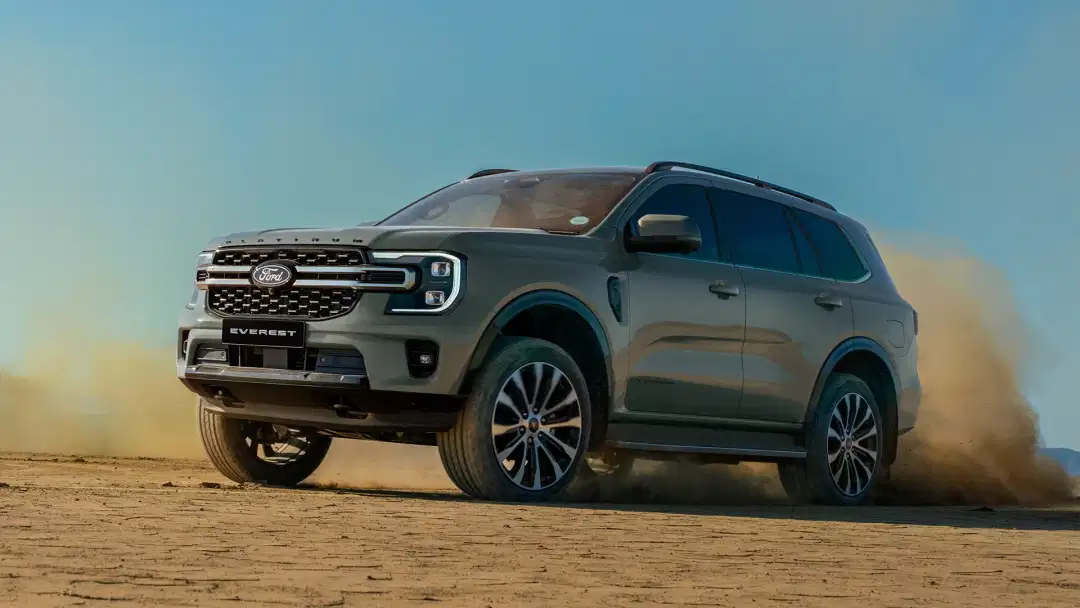
| Ford Everest Platinum | ~R1.1m | 7 | 3,500kg |
| Used Land Cruiser 300 | from ~R1.3m | 7 | 3,500kg |
Ford’s Everest undercuts the Prado substantially and brings a flat seven-seat boot, plus familiar Ranger-backed dealer support. Then comes the used 300. Once you’re seated at a Toyota dealership discussing R1.5m+, that alternative becomes impossible to ignore.
Editorial Focus
Right, so does a Prado really barely depreciate, and is the new VX-L the clever choice? Listings support the legend, with one qualification. Across 37 live examples, asking prices stretch from R899,900 for older stock to R1,688,888 for the newest flagship. Retention stays remarkably flat through the middle years, with a 2020 car at R719,900 losing far less than a comparable Discovery or Patrol.
Prado depreciation is the product here, not fancy switchgear or showroom sparkle. If a Prado loses roughly a third of its value over five years while the average SUV sheds closer to half, you’re retaining tens of thousands of rands for every year owned. Keep it for eight years, and that difference comfortably outweighs a modest fuel saving elsewhere.
Yet the comparison still stings. A used LC300 lists from around R1.3m, bringing more space, more engine, a stronger badge for some buyers and none of the boot-floor plastic-box nonsense. The Prado vs Land Cruiser 300 decision is close enough that anyone towing heavily or carrying bulky loads should drive both before signing. Based on the observed 150-series curve, I expect a 2026 VX-L bought new to remain well north of R1.1m as a used listing in 2029. Very few R1.5m vehicles provide that reassurance.
Verdict
Look, the Prado remains one of South Africa’s shrewdest long-term 4x4 purchases, and the listing data supports that view. Yet R1.5m opens the door to compelling alternatives, while the seven-seat packaging compromise can’t be waved away. Here’s the buying case from this Toyota Prado VX-L review:
- Buy the new VX-L (~R1.4m listing): if you’ll keep it for years, tow moderately and value Toyota’s extensive rural parts and dealer network. Slow depreciation rewards patience.
- Buy the cheaper VX-R or TX: if you want the same drivetrain and gravel ability without paying for flagship trimmings. On paper at least, these are the range’s value picks.
- Buy used instead: choose a 2023 Prado near R1,018,250 or a used LC300 from ~R1.3m if load space and capability per rand matter more than owning the latest shape.
- Walk away: if a flat seven-seat load bay or maximum towing payload is non-negotiable. The Everest Platinum answers that brief for less money.
Summary
The 2026 Toyota Land Cruiser Prado makes a strong case for South Africans who tow, farm or travel far beyond the tar. Live used-listing prices support its “barely depreciates” reputation, although the seven-seat boot flaw, gravel-road ride and 3,500kg towing limits deserve closer scrutiny. There’s a
Ratings
Pros
- ✓If you’ll keep it for years, tow moderately and value Toyota’s extensive rural parts and dealer network.
- ✓Slow depreciation rewards patience.