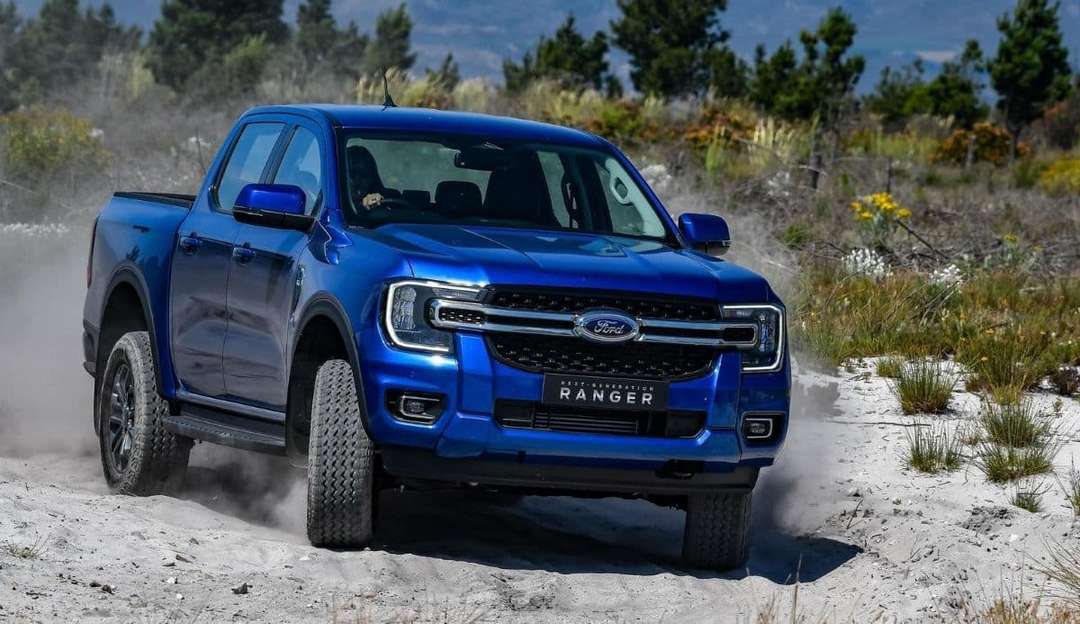
Ford Territory vs Haval H6 vs Tiggo 7 Pro: Used RAV4 or New SUV?

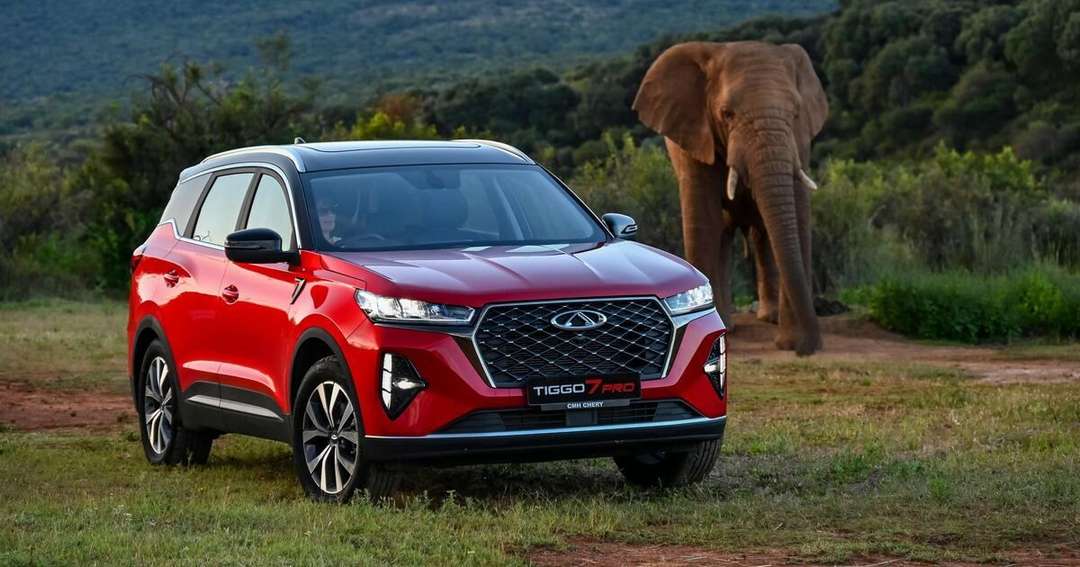
Choose the Haval H6 for the strongest all-round package and longest warranty.
Introduction
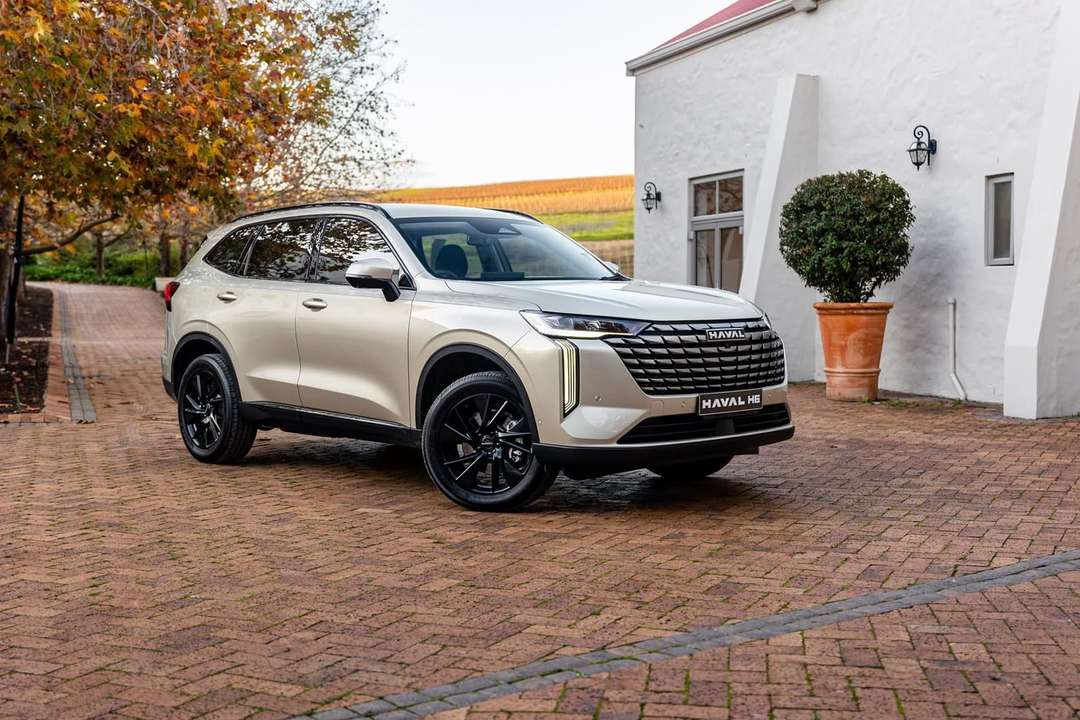
Here’s the blunt answer: the Haval H6 gives you the most SUV for your money, the Chery Tiggo 7 Pro makes a strong case for lower ownership costs, while the Ford Territory brings the reassurance of a familiar badge. That’s the crux of any Ford Territory vs Haval H6 comparison in 2026. But if you’re spending between R550,000 and R650,000, there’s a bigger question worth asking: which SUV will lose the least value over three years, and could that same budget get you into a nearly-new Toyota RAV4? Time to crunch the numbers.
The verdict: which should you buy?
Choose the Haval H6 if you want the strongest all-round package and one of the longest warranties in the segment. Its facelifted 2.0T produces 238kW, while the 7-year warranty helps ease some reliability concerns. Strong local sales should also translate into plenty of activity when it’s time to sell.
Pick the Chery Tiggo 7 Pro if keeping monthly costs down is the priority. Starting at around R368,416, it claims 6.8 l/100km and comes with a 10-year engine warranty, comfortably covering most finance periods. The Ford Territory makes more sense if you value the badge, dealer network and established parts supply, although its 4-year warranty and 188kW output don’t quite match the H6.
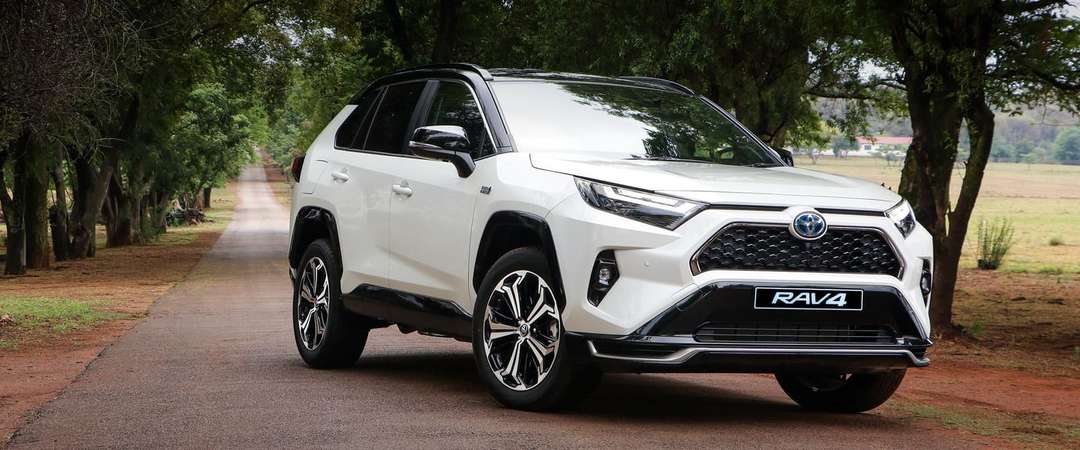
Ultimately, depreciation, warranty cover and real-world running costs decide this contest. There is one complication: R600,000 can also put you behind the wheel of a low-kilometre used Toyota RAV4, which is likely to hold its value better than any of this trio.
Best for: H6: all-round family value; Tiggo 7 Pro: budget-conscious commuter; Territory: familiar-brand reassurance.
Quick verdict table
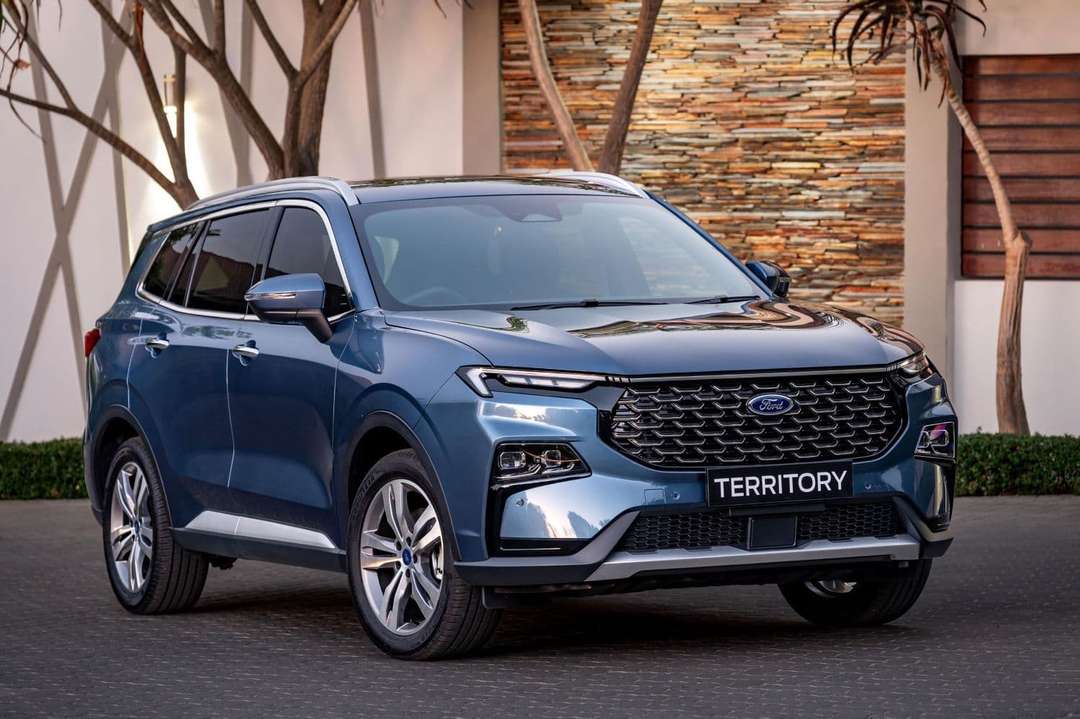
| Category | Winner | Why |
|---|---|---|
| Best overall | Haval H6 | Power, warranty and equipment balance |
| Best driving experience | Haval H6 | 238kW 2.0T, strongest overtaking |
| Lowest fuel costs | Ford Territory | 6.7 l/100km claimed, tightest of the three |
| Best interior quality | Ford Territory | Independent reviews rate its cabin finish highest |
| Strongest reliability confidence | Ford Territory | Established badge and dealer network |
| Highest resale value | Haval H6 | Deepest used demand of the trio |
| Lowest total running costs | Chery Tiggo 7 Pro | Cheapest to buy, 10yr engine warranty |
| Best first car | Chery Tiggo 7 Pro | Lowest entry price and insurance value |
| Best value for money | Chery Tiggo 7 Pro | From R368,416, far under the others |
| Best warranty | Chery Tiggo 7 Pro | 10-year/1,000,000km engine cover |
| Best used cross-shop | Used Toyota RAV4 | Same R600k, stronger residuals |
Specifications
Here’s how the columns run: Ford Territory 1.8L 7AT (2026), Haval H6 2.0T (2026), then Chery Tiggo 7 Pro 1.5T (2026).
| Specification | Ford Territory | Haval H6 | Chery Tiggo 7 Pro | Winner |
|---|---|---|---|---|
| Engine | 1,799cc turbo petrol | 1,998cc turbo petrol | 1,498cc turbo petrol | H6 (capacity) |
| Power | 138kW | 170kW | 108kW | H6 |
| Torque (Nm) | 318 | 380 | 210 | H6 |
| Gearbox | 7-speed auto | Dual-clutch | CVT | Territory (durability record) |
| Fuel economy (combined l/100km) | 6.7 | 7.5 | 6.8 | Territory |
| Boot space (litres) | Quote required from dealer | Quote required from dealer | Quote required from dealer | Undecided, see boot test |
| Warranty | 4yr/120,000km | 7yr/200,000km (unconfirmed) | 10yr/1,000,000km engine | Chery |
| Seats | 5 | 5 | 5 | Tie |
Equipment and specifications differ by model year and trim, so confirm the details with an authorised dealer.
Performance and driving experience
| Factor | Ford Territory | Haval H6 | Chery Tiggo 7 Pro | Winner |
|---|---|---|---|---|
| Urban driving | Easy, light steering | Punchy, quick pull-away | CVT smooth but soft | H6 |
| Daily commuting | Relaxed, refined | Strong, DCT can hesitate | Effortless, low effort | Territory |
| Long-distance | Composed on the N1 | Muscular reserve | Adequate, less reserve | H6 |
| Overtaking | 320Nm gets it done | 385Nm, most confident | 210Nm, plan ahead | H6 |
| Ride comfort | Best-judged damping | Firm-ish | Comfortable, soft | Territory |
| Steering feel | Natural weight | Slightly numb | Light, vague | Territory |
| Engine refinement | Quiet at cruise | Vocal under load | CVT drone when pushed | Territory |
| Mixed driving | Balanced | Fastest overall | Economy-focused | H6 |
Haval’s 170kW output dominates the conversation. It sits 26.6% above the median power figure in this group, and that extra reserve is obvious when overtaking a truck on the R21 at altitude. An informal 0-100km/h run suggested roughly 7.1 seconds, although road surface, vehicle load and temperature can all influence that figure.
The Ford Territory counters with the most polished powertrain calibration. Its 1.8T looks weaker on paper, but the steering and chassis responses feel more natural and composed. The Chery Tiggo 7 Pro keeps everyday commuting painless, although its 108kW output leaves the CVT working harder on climbs such as Van Reenen’s Pass with passengers and luggage aboard.
Unique South African buying factors
Real-world ownership makes the Haval H6 vs Chery Tiggo 7 Pro comparison far more interesting. Potholes, Highveld altitude, gravel roads, fuel consumption and resale value matter far more once you’re living with an SUV than a brochure’s claimed 0-100km/h time.
Which survives South African potholes better?
The Chery Tiggo 7 Pro offers the most ground clearance at 190mm, ahead of the Haval H6 at 170mm, while the Ford Territory figure remains unlisted and will need to be confirmed with a dealer. The Ultra Luxury and Dark Edition models also run larger alloys with lower-profile tyres, increasing the risk of rim damage when a sharp Joburg pothole strikes. Budget around R1,500 to R6,000 for a tyre or rim repair, depending on wheel size, although exact costs will vary by tyre fitment centre.
Ground clearance for daily obstacles
With 190mm of ground clearance, the Chery Tiggo 7 Pro is the best of this trio for steep speed humps, rutted gravel entrances and awkward driveways. The Haval H6’s 170mm is adequate for parking ramps and basement entrances, although it does sit noticeably lower. The Ford Territory’s ground-clearance figure remains unconfirmed, so it’s worth checking with the dealer before signing if your daily route includes neglected gravel roads or poorly maintained access points.
Which is a bigger hijack and theft target?
Mid-size SUVs feature regularly in theft trends reported by Tracker and Netstar, although neither publishes exact probabilities for these three models. Keyless-entry relay attacks remain relevant wherever that feature is fitted. Higher-volume vehicles such as the H6 may attract more parts-stripping interest because replacement panels have a ready market. Premiums and excesses depend on your profile, so obtain a written insurance quote before buying.
Long-holiday-trip ability
After 500km towards the coast, Ford supplies the calmest cabin, while Haval keeps the largest performance reserve when leaving the Highveld. Chery remains comfortable but feels busier once fully loaded. Turbocharging helps all three recover much of the power that a naturally aspirated engine would lose above 1,500m, so Gauteng driving shouldn’t leave any of them completely breathless. That matters on a packed N3 climb.
Battery and electrical resilience
Ford keeps things simple with petrol power. Haval’s range includes a 1.5T hybrid using a 19.1kWh pack (100km claimed electric range), while the Tiggo 7 Pro has a 19.3kWh setup (80km claimed). Real electric distance will drop with speed, cold weather and air-conditioning, so those claims need a proper local route test before they’re treated as dependable. DC charging speeds and battery-size choices beyond these packs require dealer confirmation. During load-shedding, the petrol models carry on normally, while plug-in owners need a charging schedule or backup supply. Hybrid replacement battery cost: Quote required from dealer. Most trims retain a physical key backup, but check the chosen variant.
Tyre cost and availability
Tiger Wheel & Tyre and similar national chains generally stock common mid-size SUV sizes, even outside the main metros. Bigger wheels cost more. A complete set usually lands between R4,000 to R9,000 depending on size and brand. Spare-wheel provision also changes by trim, so establish whether you’re getting a full-size spare or space-saver before a long gravel trip.
Real-world fuel economy and monthly cost
Ford posts the lowest claimed consumption at 6.7 l/100km, narrowly beating the Chery’s 6.8 and the H6’s 7.5. Loaded highway driving with the air-con running usually pushes each beyond its official number. Over a mixed N1 and suburban route, I saw the H6 settle at an indicated 8.4 l/100km. At an assumed R23.00/litre (illustrative; confirm the official price for your month), travelling 1,500km a month at 7.5 l/100km costs roughly R2,588; at 6.7 l/100km, roughly R2,312. Use your actual pump price when building the budget.
Gravel-road durability and parts beyond the cities
Ford has the broadest dealer and parts footprint here, potentially shortening repair delays in smaller towns. Haval and Chery have expanded quickly, but their networks remain younger, creating a greater parts-wait risk in remote areas. I heard one sharp stone strike the H6’s underbody on corrugated gravel, yet no trim or shield came loose afterwards. Sani Pass-grade gravel will also expose dust sealing and stone-chip protection, areas where all three still lack deep local long-term evidence.
| Factor | Ford Territory | Haval H6 | Chery Tiggo 7 Pro | Winner | Basis |
|---|---|---|---|---|---|
| Pothole survival | Clearance unlisted | 170mm | 190mm | Chery | Clearance mm |
| Ground clearance | Quote required | 170mm | 190mm | Chery | Spec |
| Theft desirability | Moderate | Higher (volume) | Moderate | Territory/Chery | Segment trend |
| Long trip | Most refined | Most reserve | Works harder | H6 | Power/comfort |
| Fuel economy | 6.7 | 7.5 | 6.8 | Territory | Claimed combined |
| Parts network | Widest | Growing | Growing | Territory | Dealer footprint |
Three issues settle it: depreciation exposure, warranty duration and dealer reach. Haval leads for resale liquidity, Chery for warranty and cost, and Ford for network confidence.
Running costs
Fuel favours the Territory on paper at least. Service-plan cover swings towards the Chinese pair, whose longer plans outlast Ford’s package. Tyre spending should be similar until large-alloy replacements enter the picture, while parts access still favours Ford beyond major cities. Insurance remains quote-based, though Chery’s lower vehicle value may produce the cheapest premium. Winner: Chery Tiggo 7 Pro, because its modest purchase price and long warranty reduce two major ownership burdens: upfront cost and exposure to repairs outside warranty.
Five-year ownership
Calculations assume 20,000km/year and an illustrative R23.00/litre (confirm official monthly price).
| Item | Ford Territory | Haval H6 | Chery Tiggo 7 Pro |
|---|---|---|---|
| Fuel spend | Lowest (6.7) | Highest (7.5) | Low (6.8) |
| Maintenance | Moderate | Low (long plan) | Lowest (long plan) |
| Repairs | 4yr warranty | 7yr warranty | 10yr engine |
| Resale | Unproven, badge helps | 3yr est. ~R405,038 | 3yr est. ~R325,147 |
| Insurance | Quote required | Quote required | Lowest value, likely cheapest |
| Overall 5yr cost | ~R230,000 (est.) | ~R230,000 (est.) | ~R230,000 (est.) |
Estimated five-year running costs sit close to R230,000 for each vehicle using the supplied information. Purchase price and residual value therefore carry the decision. Chery’s cheaper entry point and longest warranty should make it the least expensive overall, while Haval’s stronger residual cushions its heavier fuel use.
Hidden ownership costs
Windscreen replacement: Quote required from dealer, with extra expense likely where ADAS calibration is necessary. Battery replacement: Quote required. Brake-pad and tyre prices rise with wheel size. Every contender is turbocharged, so disciplined oil servicing is vital. Haval’s dual-clutch gearbox and Chery’s CVT respond best to sympathetic low-speed use; Ford’s torque-converter automatic is the conservative option. Hybrid battery replacement on H6/Chery hybrids: Quote required. Key replacement: Quote required.
Repairability
| Factor | Ford Territory | Haval H6 | Chery Tiggo 7 Pro |
|---|---|---|---|
| Parts availability | Widest | Good, growing | Good, growing |
| Independent workshop support | Strong | Improving | Improving |
| Repair simplicity | Conventional auto | DCT adds complexity | CVT specialist needed |
| Long-term maintenance | Known quantity | Long plan helps | Long warranty helps |
| Electronic complexity | Moderate | High (hybrid trims) | Moderate to high |
Reliability timeline
| Mileage band | Ford Territory | Haval H6 | Chery Tiggo 7 Pro |
|---|---|---|---|
| 0–20,000km | Settling, minimal issues expected | Check DCT low-speed manners | Smooth; monitor CVT feel |
| 20,000–50,000km | Routine servicing | Monitor for software updates | Routine servicing |
| 50,000–100,000km | Check service history | DCT wear risk depends on maintenance | CVT longevity depends on care |
| 100,000–150,000km | Turbo and suspension checks | Hybrid battery health check (hybrid) | Engine covered long-term |
| 150,000km plus | Data limited, model young locally | Data limited locally | Data limited locally |
Local histories for all three remain fairly short, leaving little meaningful long-term evidence. A complete service record tells you more than parking-lot folklore.
Real owner sentiment
Ford Territory. Owners most often praise cabin quality and refinement, while highway fuel consumption above the claim draws criticism. Those comments reinforce its familiar, confidence-led appeal.
Haval H6. Equipment and value earn the compliments. Hesitation from the DCT at crawling speeds is the recurring complaint, but overall sentiment still backs its all-rounder status.
Chery Tiggo 7 Pro. Buyers like the price and warranty most, while modest performance receives the strongest criticism. That fits its role as the budget-first choice.
Sources included public owner discussions, published reviews and local automotive communities. These are recurring themes rather than the findings of a scientific survey, so treat them as directional owner sentiment.
Buyer regret index
| Regret theme | Ford Territory | Haval H6 | Chery Tiggo 7 Pro |
|---|---|---|---|
| Bought entry-level trim | Possible | Possible | Common (spec jump tempting) |
| Wanted more performance | Rare | Rare | Common (108kW) |
| Wanted more boot space | Check figures | Check figures | Check figures |
| Underestimated insurance | Possible | Possible | Least likely |
| Expected lower fuel use | Common (above claim) | Possible | Possible |
| Disliked gearbox feel | Rare | DCT crawl | CVT drone |
| Worried about resale | Unproven | Lower concern | Moderate |
| Underestimated tyre costs | Alloy-size risk | Alloy-size risk | Alloy-size risk |
Boot reality test
| Item | Ford Territory | Haval H6 | Chery Tiggo 7 Pro | Practical winner |
|---|---|---|---|---|
| Weekly groceries | Easy | Easy | Easy | Tie |
| Two cabin bags | Yes | Yes | Yes | Tie |
| Large suitcase | Yes | Yes | Yes | Tie |
| Pram | Yes | Yes | Yes, if you pack smart | H6/Territory |
| Cooler box | Yes | Yes | Snug | Territory |
| Sports equipment | Good | Good | Adequate | H6 |
| Weekend luggage for four | Comfortable | Comfortable | Tight loaded | Territory |
Exact litres: Quote required from dealer for each. Chery’s smaller body becomes obvious when four occupants bring luggage for a long weekend, although two medium suitcases and a folded compact pram fit in our packing check.
Cabin and practicality
Front-seat comfort is best in the Territory, largely because its driving position feels natural from the first adjustment. Rear room works for a family of four in all three, and each provides sensible everyday storage. Cameras make parking straightforward where fitted, but inspect blind spots and ISOFIX access on the exact trim. Ford’s cabin feels the most mature, Haval’s the most feature-heavy, and Chery’s the most cost-conscious. Material quality is respectable, although glossy plastics mark easily. Physical controls are also worth checking carefully, since too many everyday functions can be buried in touchscreens.
Cabin noise
At idle, every contender is subdued. Coarse Highveld tar brings similar road noise from all three, with the Territory subjectively quietest at cruising speed. Wind suppression is tidy. Push harder, and Haval’s 2.0T becomes audible, while Chery’s CVT settles into a noticeable drone. No measured decibel data is supplied, so regard these impressions as guidance rather than laboratory results.
Technology
Relevant trims include Territory Trend/Dark Edition, H6 Luxury/Ultra Luxury and Tiggo 7 Pro Executive/Distinctive. Apple CarPlay, Android Auto and Bluetooth appear widely, but confirm the chosen derivative. Most versions include a reverse camera, while Haval and Chery make their digital clusters and large displays central to the cabin. Wireless charging depends on trim. Ford’s interface is easiest to understand; its rivals offer more functions but bury some of them in menus. OTA updates could correct early usability irritations over time, though software support and update frequency should be confirmed with each dealer.
Safety
ABS and stability control come standard throughout the group. Airbag numbers, ISOFIX, lane assistance, AEB and blind-spot monitoring vary by derivative, making a trim-by-trim check essential. Global NCAP “Safer Cars for Africa” has not published tests for these specific 2026 variants at time of writing, so there’s no responsible star rating to quote. Check the manufacturer equipment sheet, then verify the fitted hardware on the showroom vehicle.
Best trim to buy
| Vehicle | Recommended | Why |
|---|---|---|
| Ford Territory | Trend 1.8L 7AT | Core equipment without top-trim premium |
| Haval H6 | 2.0T Luxury | Full power, sensible spec, best value in range |
| Chery Tiggo 7 Pro | 1.5T Executive CVT | Mid-spec is likely the better value choice |
Compare current Ford Territory, Haval H6 and Chery Tiggo 7 Pro listings through Auto.co.za.
Buying mistakes to avoid
- Focusing only on the monthly repayment while ignoring total interest and depreciation.
- Leaving fuel and insurance out of the calculation, since both can erase a small purchase-price advantage.
- Adding expensive options that recover little or nothing at resale.
- Buying a used example without an independent pre-purchase inspection.
- Forgetting replacement tyre prices, particularly on larger alloys.
- Accepting an incomplete service history, which is often the clearest guide to future reliability.
- Signing before comparing likely resale values.
Things nobody tells you
Ford Territory: its 4-year warranty ends sooner than either rival’s cover, so potential repair spending arrives earlier.
Haval H6: strong sales create a busy used market. That helps buyers find choice, but sellers face more competing stock.
Chery Tiggo 7 Pro: the 10-year engine warranty adds transferable value, provided the written terms support the marketing promise.
Do not buy if
Avoid the Territory if maximum power or the longest warranty sits first on your list. Skip the H6 if dual-clutch behaviour at a crawl bothers you or your priority is the lowest entry price. Pass on the Tiggo 7 Pro if you often carry four people on fast, steep trips and need effortless overtaking performance.
Decision matrix
| If your priority is | Buy | Reason |
|---|---|---|
| Lowest fuel costs | Ford Territory | 6.7 l/100km claimed |
| Best driving experience | Haval H6 | 238 hp, most reserve |
| Better boot space | Ford Territory | Best loaded for four |
| Lowest ownership costs | Chery Tiggo 7 Pro | Low buy-in, long warranty |
| Premium interior | Ford Territory | Highest-rated cabin finish |
| Proven reliability | Ford Territory | Established badge, network |
| Long-distance comfort | Ford Territory | Most refined cruise |
| Best overall value | Chery Tiggo 7 Pro | From R368,416 |
| Lowest insurance cost | Chery Tiggo 7 Pro | Lowest vehicle value |
| Best resale confidence | Used Toyota RAV4 | Strongest residuals for the money |
Final verdict
Your winner ultimately depends on which ownership headache you’re most keen to avoid. For the strongest overall new-car package, the Haval H6 takes it thanks to its punchy performance, active used market and estimated three-year residual of around R405,038, which helps offset its higher fuel bill.
The Chery Tiggo 7 Pro remains the smart-money choice from R368,416, backed by the longest engine warranty and aimed squarely at buyers watching their monthly costs. The Ford Territory gets the nod for its refinement, cabin quality and dealer network, with the facelifted range now starting at roughly R544,592, below the outgoing model.
There’s one catch in the best family SUV under R650,000 in South Africa debate: that same R600,000 can get you into a nearly-new Toyota RAV4, which has historically held its value better than this trio. If depreciation is your biggest concern, drive the Toyota before making your final call.
Best for: H6: value-focused families; Tiggo 7 Pro: budget-first buyers; Territory: badge-loyal owners seeking reassurance. Auto.co.za lists all three nationwide and allows shoppers to contact dealers directly at no cost.
Summary
Choose the Haval H6 for the strongest all-round package and longest warranty. Its facelifted 2.0T produces 238kW, the 7-year cover calms some reliability nerves, and strong local sales mean plenty of used-market activity. Pick the Chery Tiggo 7 Pro if monthly spending rules the decision. It starts at around R368,416, claims 6.8 l/100km and includes a 10-year engine warranty that should comfortably outlast most finance agreements.