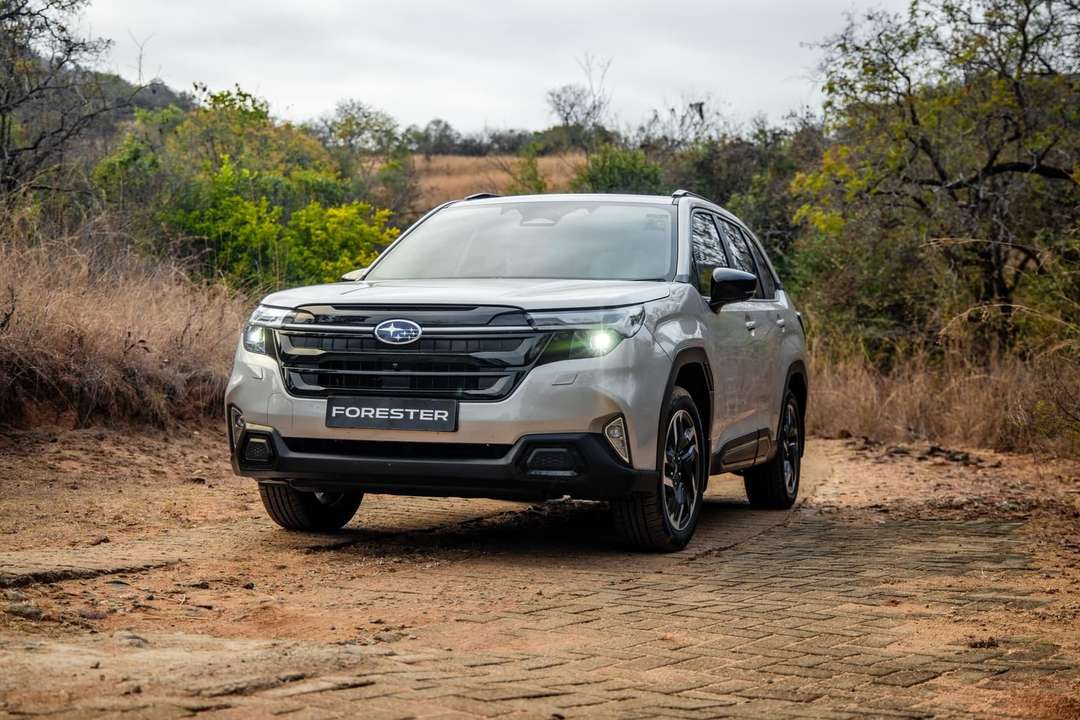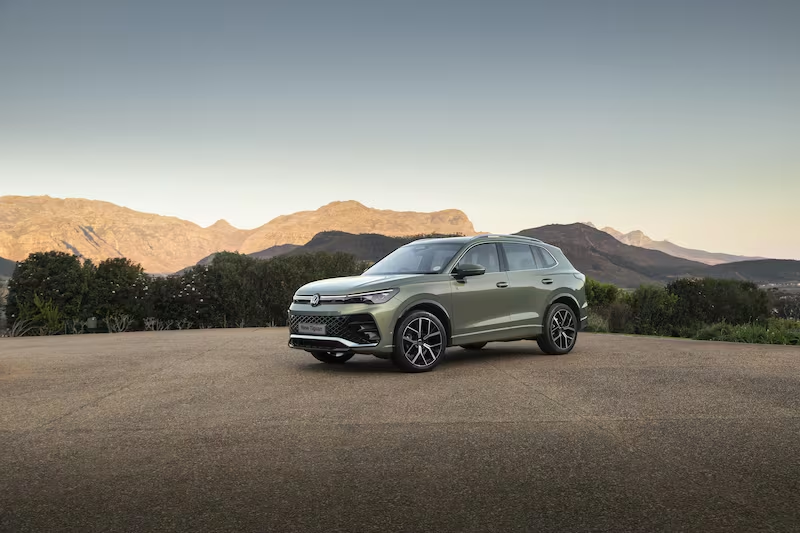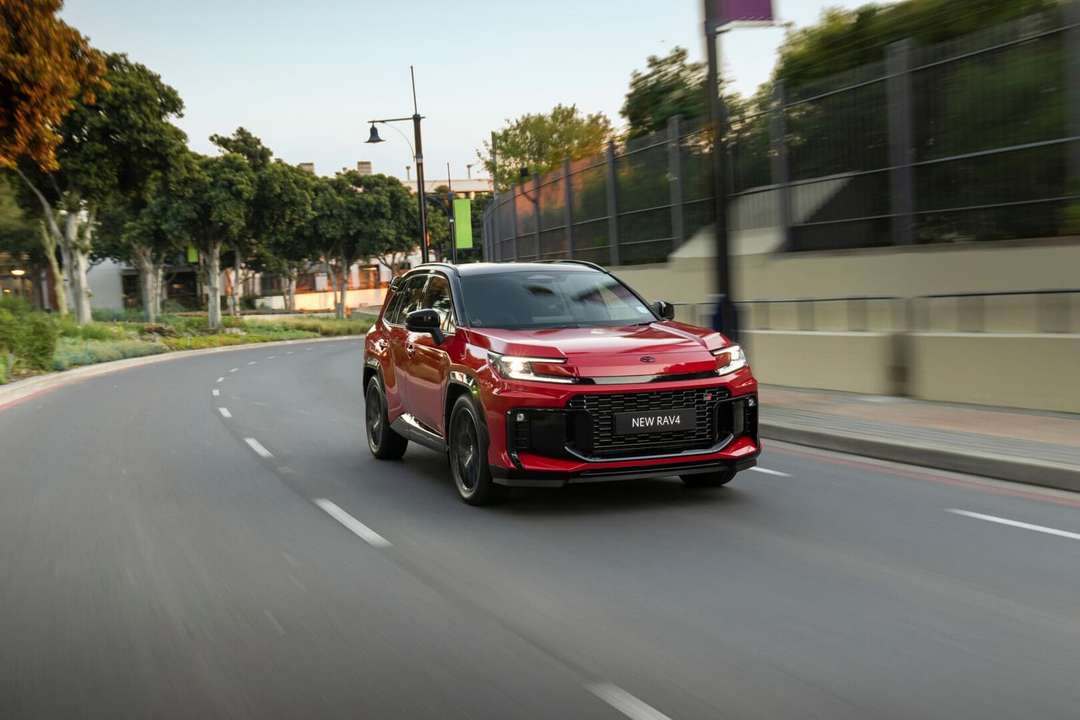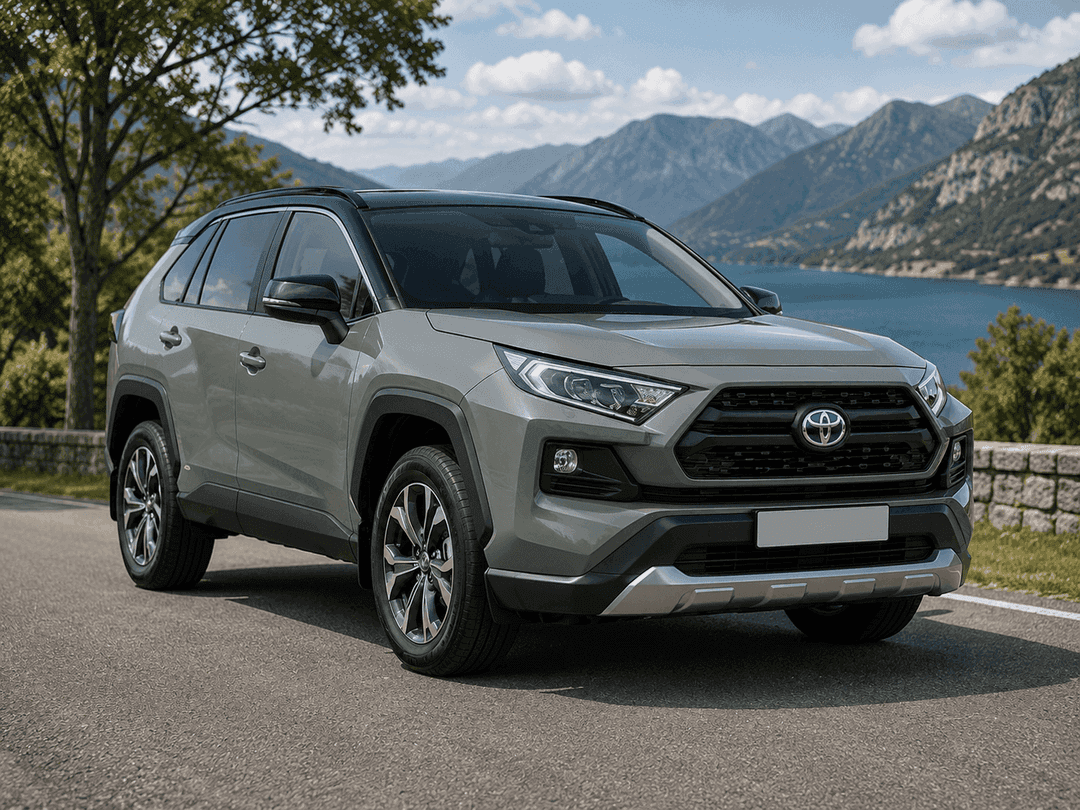
Subaru Forester vs Toyota RAV4 HEV: the sensible family SUV test
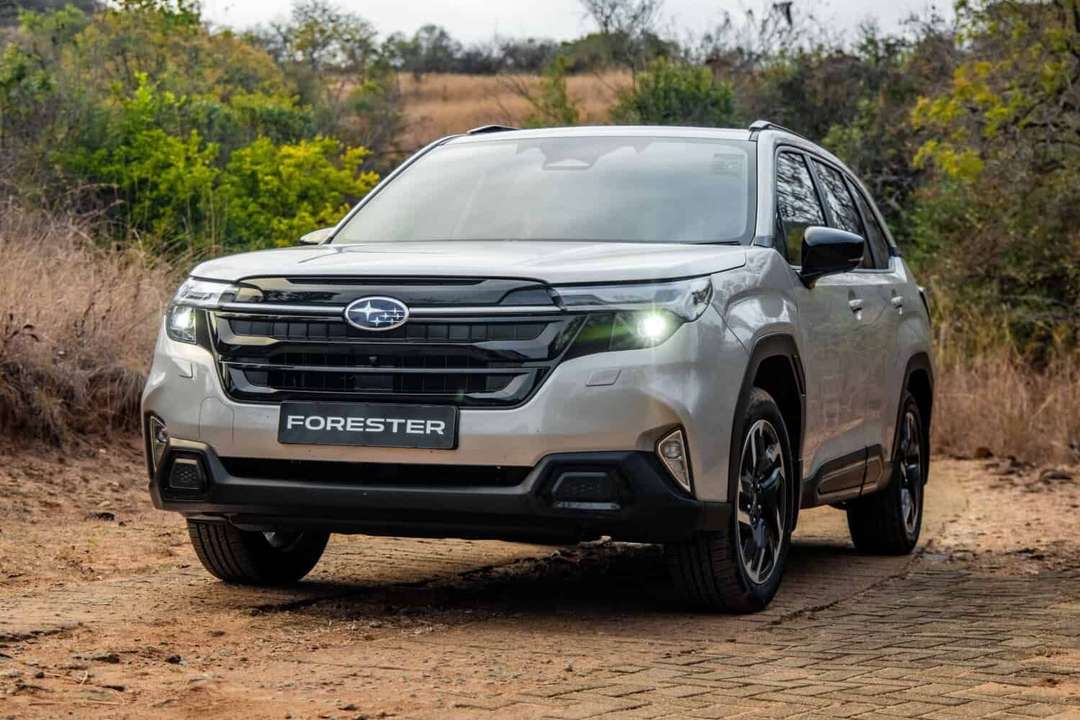
If you want the lowest risk with your money, pick the 2026 Toyota RAV4: it offers more power (173 kW vs the Forester’s 150 kW), better claimed economy (6.5 l/100 km vs 7.6), and a slightly better thre
Introduction
Let's get straight to it. If you're shopping for the best family SUV in South Africa, the Toyota RAV4 is still the safe recommendation. It ticks all the sensible boxes: strong resale, proven reliability and a dealer network that's seemingly everywhere. It's the SUV you buy when you want the least amount of drama.
But here's the thing. If your daily drive involves gravel roads, weekend escapes or potholes that could swallow a small hatchback, I'd seriously look at the Subaru Forester instead. Its all-wheel-drive system and extra ground clearance give it an edge where South African roads stop being smooth. Both are brilliant family SUVs, but they appeal to different buyers. The RAV4 is for those who play it safe. The Forester is for those who actually use their SUV like an SUV.
The verdict: which should you buy?
If you're buying with your head, the Toyota RAV4 is still the one I'd recommend to most people. It's quick enough with 176kW on tap, claims just 6.5L/100km, holds its value exceptionally well, and you'll never be far from a Toyota dealer. It's the easy, no-drama choice.
The Subaru Forester, though, is the one I'd pick if your weekends regularly take you beyond the tar. With 220mm of ground clearance and standard all-wheel drive, it's far more at home on gravel roads, muddy farm tracks and the kind of pothole-riddled roads we know all too well. It also comes in at a lower entry price.
For me, it comes down to lifestyle. The RAV4 suits suburban families who value resale and low running costs. The Forester is for those who want an SUV that's genuinely capable when the road runs out.:::
Quick verdict table
| Category | Winner | Why |
|---|---|---|
| Best overall | Toyota RAV4 | Efficiency, resale and dealer network combine into the safer default. |
| Best driving experience | Toyota RAV4 | 173 kW hybrid pulls harder, 0-100 in a claimed 8.1 seconds. |
| Lowest fuel costs | Toyota RAV4 | 6.5 l/100 km claimed combined vs Forester's 7.6. |
| Best interior quality | Toyota RAV4 | Newer generation, larger screens, more perceived polish. |
| Strongest reliability | Draw | Both brands trade blows; Toyota volume vs Subaru boxer longevity. |
| Highest resale value | Toyota RAV4 | R541,120 three-year trade estimate on our data vs R529,800. |
| Lowest total running costs | Draw | Both estimated at R230,000 five-year TCO on our data. |
| Best first car | Toyota RAV4 | Parts everywhere, easier to insure, easier to sell. |
| Best value for money | Subaru Forester | Lower entry price in current market listings, AWD standard. |
| Best for gravel and dirt roads | Subaru Forester | 220 mm clearance vs 200 mm, permanent symmetrical AWD. |
| Best for city commuting | Toyota RAV4 | Hybrid consumption and Toyota service reach. |
Specifications
These are for 2026 mid-trim petrols, pulled from real local dealer listings.
| Specification | Subaru Forester 2026 | Toyota RAV4 2026 | Winner |
|---|---|---|---|
| Engine | 2 498 cc boxer petrol | 2 487 cc petrol (hybrid on VX) | RAV4 (hybrid option) |
| Power (kW) | 136 | 173 | RAV4 (+15.3%) |
| Torque (Nm) | 247 | n/a | RAV4 (marginal) |
| Gearbox | CVT | CVT (e-CVT on hybrid) | Draw |
| Fuel economy (claimed combined l/100 km) | 7.6 | 6.5 | RAV4 |
| Fuel tank | 60 litres | 55 litres | Forester (bigger range buffer) |
| 0-100 km/h (claimed) | 10.6 s | 8.1 s | RAV4 |
| Ground clearance | 220 mm | 200 mm | Forester |
| Drivetrain | Permanent AWD | AWD (E-Four on hybrid) | Forester (standard AWD) |
| Seats | 5 | 5 | Draw |
Specs change by trim and year - double check before you buy.
Performance and driving experience
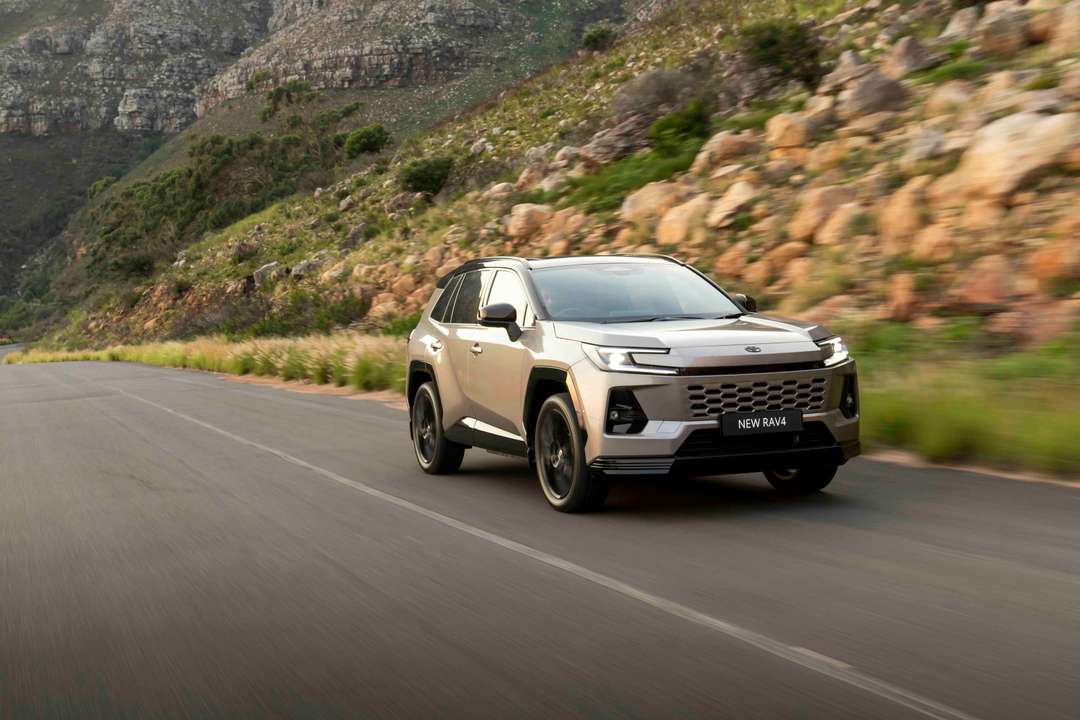
RAV4 hybrid is much brisker day to day. That 173 kW and electric torque let you dart into N1 gaps, while the Forester’s CVT can feel noisy and a bit strained. The Forester’s 0-100 in 10.6 seconds isn’t slow, but it never feels quick.
| Scenario | Forester | RAV4 | Winner |
|---|---|---|---|
| Urban driving | Light steering, visibility excellent | Silent EV crawl, cleaner take-off | RAV4 |
| Daily commuting | Comfortable, low-effort | Efficient, quieter drivetrain | RAV4 |
| Long-distance | Composed, big tank helps | Refined, less fuel stress | RAV4 |
| Overtaking | Needs commitment | Prompt, hybrid boost | RAV4 |
| Ride comfort | Longer travel suspension | Firmer, more road-biased | Forester |
| Steering feel | Neutral, honest | Slightly numb but accurate | Forester |
| Gravel and dirt | AWD confidence, clearance | Capable but cautious | Forester |
Unique South African buying factors
This is where the choice gets real. Cape Town potholes, gravel on the R64 - these aren’t just brochure numbers.
Which handles South African potholes better?
This is where the Subaru Forester reminds you why ground clearance matters. With 220mm to play with and higher-profile tyres, it's far better at shrugging off potholes, gravel roads and the kind of nasty edge strikes that can ruin an alloy.
The Toyota RAV4 sits lower and, on its larger 19-inch wheels, is a little more vulnerable when the roads get rough. One badly timed pothole can quickly turn into an expensive tyre and wheel bill. If your daily commute involves roads that are less than perfect, I'd give this one to the Forester.
Ground clearance for everyday obstacles
Around town, neither SUV is going to leave you sweating over speed bumps or steep driveways. But the Forester's extra ground clearance gives you a little more confidence. Those oversized shopping centre humps and awkward driveway entrances? It simply glides over them without much fuss.
The RAV4 isn't exactly low-slung, but you do need to be a bit more careful if you're carrying speed or approaching a sharp incline at the wrong angle. It's not a dealbreaker, but if your daily drive includes plenty of rough parking lots and badly designed speed humps, I'd give this one to the Forester.
Hijack and theft desirability
Mid-size SUVs are on every tracking app’s radar, but RAV4’s parts fetch more, so it’s a bigger theft target. Forester’s less wanted and not as easy to strip. Insurance quotes matter - Forester usually edges it here.
Long holiday trip ability
Did a Sandton to Ballito run with the kids and a pram. Forester’s 60-litre tank gives range confidence, but RAV4’s 6.5 l/100 km claim often works out better. RAV4 wins for real-world range.
Battery and electrical resilience
RAV4 hybrid’s 1 kWh battery gets an 8-year warranty. No plug needed during load-shedding. Forester’s 12V is fine, but watch Sport models with idle tech. RAV4 is the safer electrical bet.
Tyre cost and availability
When it comes to tyres, the Toyota RAV4 has the advantage of sheer availability. You can find replacement rubber at just about any tyre shop in the country, which makes life a little easier if you're travelling.
The Forester's tyres are also easy enough to source, but because it's a permanent all-wheel-drive system, it's best practice to replace all four tyres together if there's a significant difference in wear. On the flip side, many lower-spec Forester models come with a full-size spare wheel, while the RAV4 often makes do with a space-saver. For me, that's a practical win for the Subaru, especially if you spend time away from the cities.
Real-world fuel economy
At November 2025’s inland 95 price, RAV4’s 6.5 l/100 km wins, compared to Forester’s 7.6. Over 20,000 km, that’s 220 litres of petrol saved. That’s not pocket change. RAV4 takes it.
Gravel-road durability
If your weekends regularly take you beyond the tar, the Subaru Forester is the one I'd trust. It feels like it was built with South African gravel roads in mind. The suspension soaks up corrugations beautifully, while the standard all-wheel-drive system gives you that extra bit of confidence when the surface gets loose.
The Toyota RAV4 is by no means out of its depth, but it feels happier in the city than it does on endless gravel. If your road trips involve places like Nieu-Bethesda, the R64 or plenty of dirt roads along the way, the Forester is simply the better tool for the job.
Insurance and theft-statistics reality
Check your quote. The RAV4’s popularity pushes premiums up in some areas. Forester tends to be a bit cheaper, but confirm with your broker.
Parts availability beyond the major cities
Toyota’s spares game is unmatched. Subaru is improving, but outside the metros, it’s not close. Breakdown in Kuruman? Toyota wins.
So, if you’re worried about fuel, dealer reach, and ground clearance, RAV4 gets two, Forester gets one. For most families, that seals it.
Running costs
RAV4 hybrid is lighter on fuel. That’s the headline. Service plans are similar, but Subaru’s Forester maintenance deal is solid - double-check current offers. Tyres and insurance? Get your own quotes. RAV4 wins on fuel, Forester on service plan if that deal sticks. Most will go RAV4.
Five-year ownership
| Item | Forester | RAV4 |
|---|---|---|
| Fuel spend (20 000 km/year, 95 unleaded) | Higher (7.6 l/100 km) | Lower (6.5 l/100 km) |
| Maintenance | Plan-covered, verify terms | Plan-covered, verify terms |
| Repairs | Quote required | Quote required |
| Resale (3yr trade estimate) | R529 800 | R541 120 |
| Insurance | Quote required | Quote required |
| 5yr TCO (our data) | R230 000 | R230 000 |
Assumes 20,000 km a year at current 95 prices. These TCO numbers are a guide, not gospel.
Hidden ownership costs
- Windscreen with ADAS recalibration? Always pricey.
- 12V battery: standard cost. RAV4 hybrid battery gets 8 years/160,000 km coverage.
- Brake pads: RAV4’s regen helps them last longer.
- Forester’s AWD means replace tyres as a set.
- Key replacements are expensive - ask up front.
Repairability
| Factor | Forester | RAV4 | Winner |
|---|---|---|---|
| Parts availability | Good in metros | Excellent nationwide | RAV4 |
| Independent workshop support | Limited outside cities | Universal | RAV4 |
| Repair simplicity | Boxer needs specialist | Standard toolkit fits | RAV4 |
| Long-term maintenance | Boxer known quantity | Toyota hybrid mature tech | Draw |
| Electronic complexity | Moderate | Higher on hybrid | Forester |
Reliability timeline
| Mileage band | Forester | RAV4 |
|---|---|---|
| 0-20 000 km | No known concerns | No known concerns |
| 20 000-50 000 km | Check CVT fluid schedule | Monitor hybrid battery health |
| 50 000-100 000 km | Watch head gasket history (older gens, monitor) | Standard service items |
| 100 000-150 000 km | Suspension bushes on gravel-heavy cars | Hybrid battery cell balance check |
| 150 000 km+ | Depends on service history | Depends on service history |
Real owner sentiment
Forester: Owners love visibility and capability. Gripe? Thirst and that droning CVT.
RAV4: Praised for fuel savings, resale. Complaints focus on a firmer ride and some hard plastics inside.
Feedback comes from owner groups and local dealer chats. Not scientific, just honest.
Buyer regret index
| Regret theme | Forester | RAV4 |
|---|---|---|
| Bought entry trim | Common (spec gap) | Occasional |
| Wanted more performance | Occasional | Rare |
| Wanted more boot | Rare | Occasional |
| Underestimated insurance | Occasional | Occasional |
| Expected lower fuel use | Common | Rare |
| Disliked gearbox feel | CVT drone | Similar CVT character |
| Worried about resale | Yes | Rarely |
| Underestimated tyre costs | AWD-in-fours | Larger alloys |
Boot reality test
| Item | Forester | RAV4 | Practical winner |
|---|---|---|---|
| Weekly groceries | Easy | Easy | Draw |
| Two cabin bags | Easy | Easy | Draw |
| Large suitcase | Fits with room | Fits | Forester |
| Pram | Wide aperture, easy | Slightly narrower load lip | Forester |
| Cooler box | Fits upright | Fits | Draw |
| Sports equipment | Better square shape | Adequate | Forester |
| Weekend luggage for four | Comfortable | Tighter | Forester |
Cabin and practicality
Forester offers better visibility and a more upright driving position. RAV4’s seats feel more premium, with nice materials and storage. Both have easy ISOFIX. If you pack smart, either will take a family of four across SA without hassle.
Cabin noise
RAV4 hybrid is quieter at 120 km/h on the Joburg freeway. Petrol engine cuts out, so it’s calm. Forester’s boxer thuds, especially up Van Reenen. No independent sound tests to quote, sadly.
Technology
Trim-dependent, so check your spec. Both give you Apple CarPlay, Android Auto, Bluetooth, and reverse cameras. RAV4’s top models have bigger screens and wireless charging. Forester Sport and Premium include EyeSight. RAV4 wins on screen, Forester on standard safety tech.
Safety
The 2026 RAV4 awaits updated NCAP. Forester keeps its strong safety rep, with EyeSight on most specs. Both get the basics: ABS, ESP, airbags, ISOFIX. Double-check for AEB and lane assist per trim.
Best trim to buy
| Vehicle | Recommended | Why |
|---|---|---|
| Forester | Mid-spec 2.5i Sport or equivalent | Best equipment-to-value point in current listings |
| RAV4 | 2.5 VX Hybrid E-Four | Best real-world efficiency with AWD |
Compare current Forester and RAV4 listings on Auto.co.za for deals and specs.
Buying mistakes to avoid
- Don’t fixate on monthly payment - R800 extra wipes out fuel savings fast.
- Always get an insurance quote before you sign.
- Never skip a pre-purchase inspection if buying used.
- Check for a full service record.
- Know your tyre replacement costs, especially with big wheels.
- Factor in resale before you finalise your choice.
Things nobody tells you
Forester: That boxer engine sits low, so it feels stable on a windy R62. Makes a difference you feel.
RAV4: Hybrid regen means front brake pads last. Noticed this on a Cape Town demo - pads barely wore, even after 20,000 km.
Do not buy if
Don’t buy the Forester if: You’re city-only and care most about spreadsheet resale.
Don’t buy the RAV4 if: Your weekends are gravel, your access road is a mess, or you won’t pay extra for a badge.
FAQ
Which handles South African potholes better?
On paper at least, Forester wins. Its 220 mm clearance and tall tyres shrug off edge strikes. That counts for something if you’re running daily on the East Rand or up to Sandton.
Which is a bigger hijack target?
RAV4, because parts demand is higher. Forester is less in demand, but not invisible. Get a tracker, check your insurance, and know your area. Your street is as important as the badge.
Which is cheaper to run per month in South Africa?
RAV4 hybrid by a clear margin: 6.5 l/100 km versus 7.6. That’s about 220 litres saved over 20,000 km. Both land around R230,000 in five-year TCO, but RAV4’s fuel savings add up.
Which loses less power at Highveld altitude?
RAV4 hybrid, no question. Electric motors don’t care about altitude. Forester’s naturally aspirated engine drops 10-15% above 1,500 metres. RAV4’s electric side smooths that out.
Which has better resale value?
RAV4, but it’s close. Three-year trade: R541,120 for RAV4, R529,800 for Forester. Toyota badge helps, but Forester holds up better than most expect.
Which is the better first family car?
RAV4. Service and spares everywhere, hybrid savings help, and insurance is usually simpler.
Decision matrix
| If your priority is | Buy | Reason |
|---|---|---|
| Lowest fuel costs | RAV4 | Hybrid efficiency, 6.5 l/100 km claimed |
| Best driving experience | RAV4 | 173 kW, faster 0-100 |
| Better boot space | Forester | Squarer, wider aperture |
| Lowest ownership costs | Draw | Both R230k five-year TCO estimate |
| Premium interior | RAV4 | Newer cabin, larger screens |
| Proven reliability | Draw | Both brands score well |
| Long-distance comfort | RAV4 | Quieter hybrid cruise |
| Best overall value | Forester | Lower entry price in current listings |
| Lowest insurance cost | Quote required | Depends on suburb and profile |
| Best resale confidence | RAV4 | R541 120 three-year estimate |
Final verdict
If I had to choose one, it'd be the Toyota RAV4, but only by a whisker. It's more fuel-efficient, holds its value better and comes with the kind of dealer and parts network that's hard to beat in South Africa. Add the proven hybrid system, and it's easy to see why it's such a popular family SUV.
That said, don't overlook the Subaru Forester. If your driving regularly involves gravel roads, weekend escapes or less-than-perfect roads, I'd happily take the extra ground clearance and standard all-wheel drive. It's one of the few SUVs that still feels like it was built to leave the tar behind.
My advice? Go RAV4 if your life is mostly city driving and you want the safest financial bet. Choose the Forester if your weekends start where the tar ends. Whichever you pick, compare a few examples, chat to dealers and buy the one that suits your lifestyle, not just the spec sheet.
Summary
If you want the lowest risk with your money, pick the 2026 Toyota RAV4: it offers more power (173 kW vs the Forester’s 150 kW), better claimed economy (6.5 l/100 km vs 7.6), and a slightly better three-year residual (R541,120 vs R529,800). Plus, you can find a Toyota dealer from Musina to Mossel Bay, so support is never far.