Haval Jolion 1.5T City/Premium (2021) Review
A sensible used buy once you understand the DCT risk, choose the right specification and allow the market discount to work in your favour.
Introduction
The Haval Jolion makes a lot of sense as a used buy if you choose the right one. I’d look for a mid-spec car with a decent service history and, ideally, a life spent mostly on the highway. That’s where the second owner can really benefit from the depreciation.
We looked at 400 recent listings, compared the numbers with the Toyota Corolla Cross and dug into the faults owners repeatedly mention. By 2026, there are plenty of three-year-old Jolions on the used market, giving patient buyers plenty of room to negotiate.
The trick is finding the good one.
Key takeaway: The Jolion sheds value faster than a Corolla Cross on paper, but its larger used discount can still leave you ahead in actual rand.
Design & Exterior
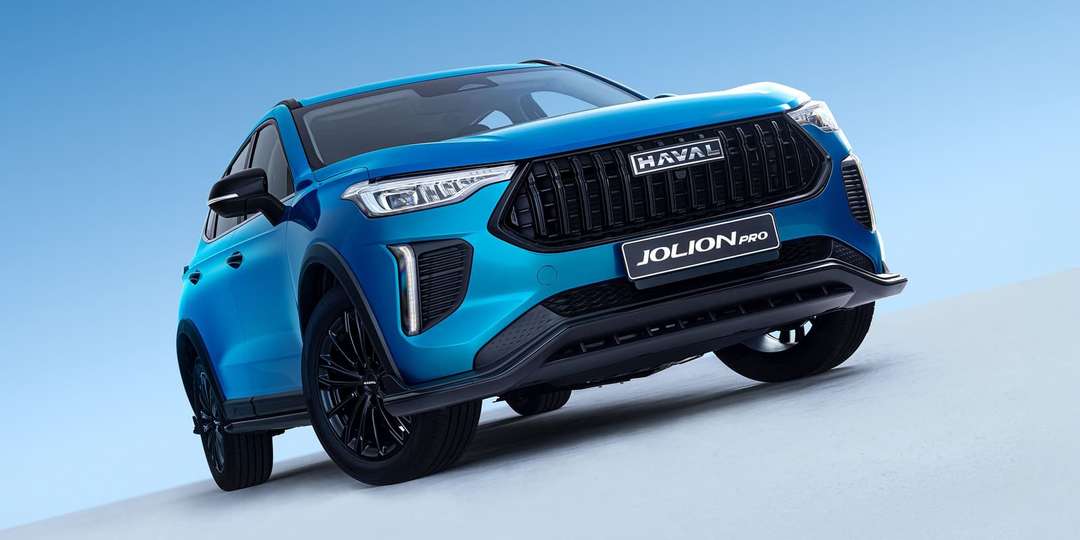
Four years on, the Jolion still looks pretty good. That matters when you’re buying used because dated styling can make depreciation feel even worse. The Jolion hasn’t aged badly at all, which is one less thing to worry about when you’re picking one up as a second owner.
Stance and presence
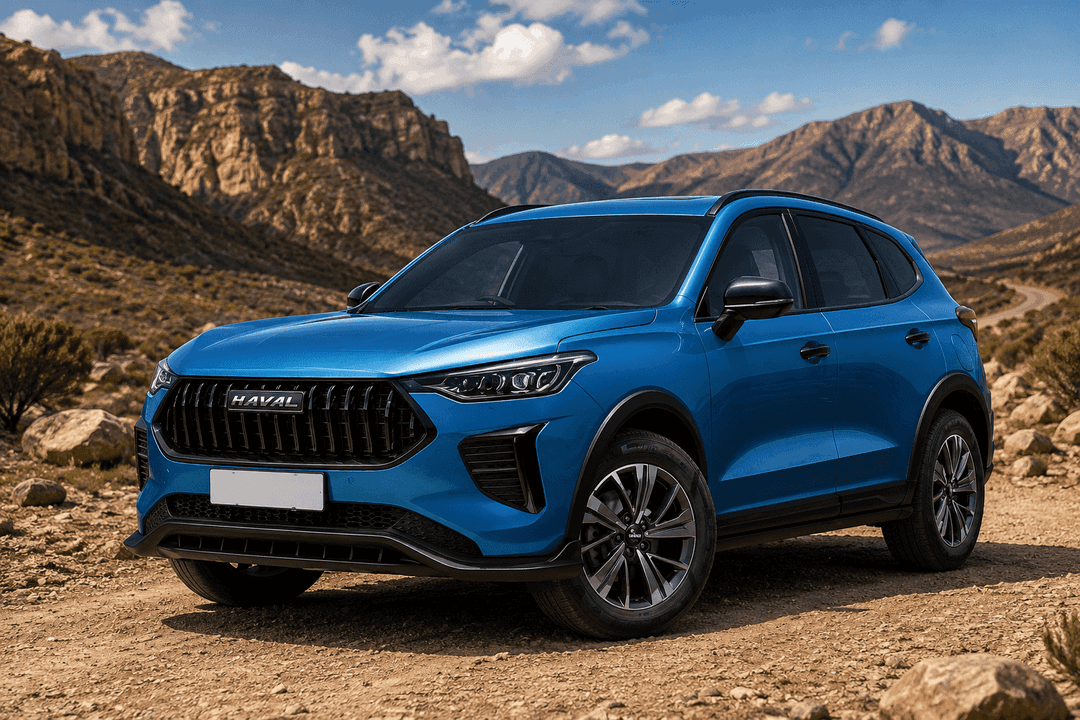
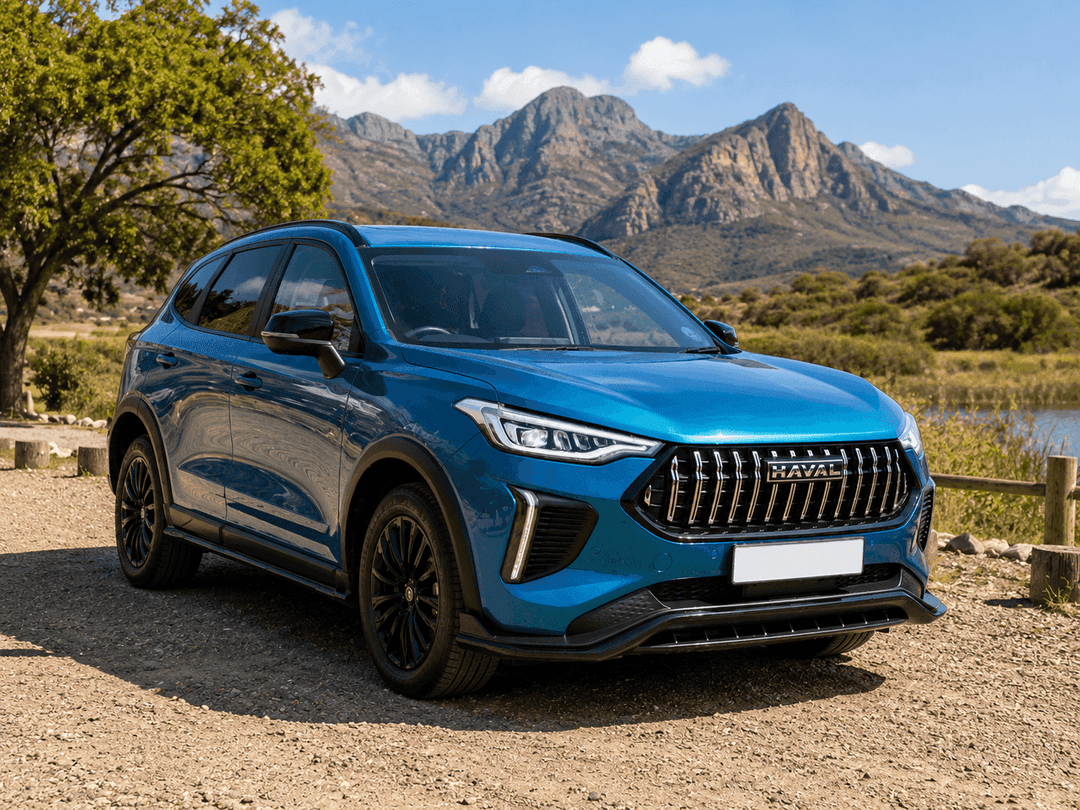
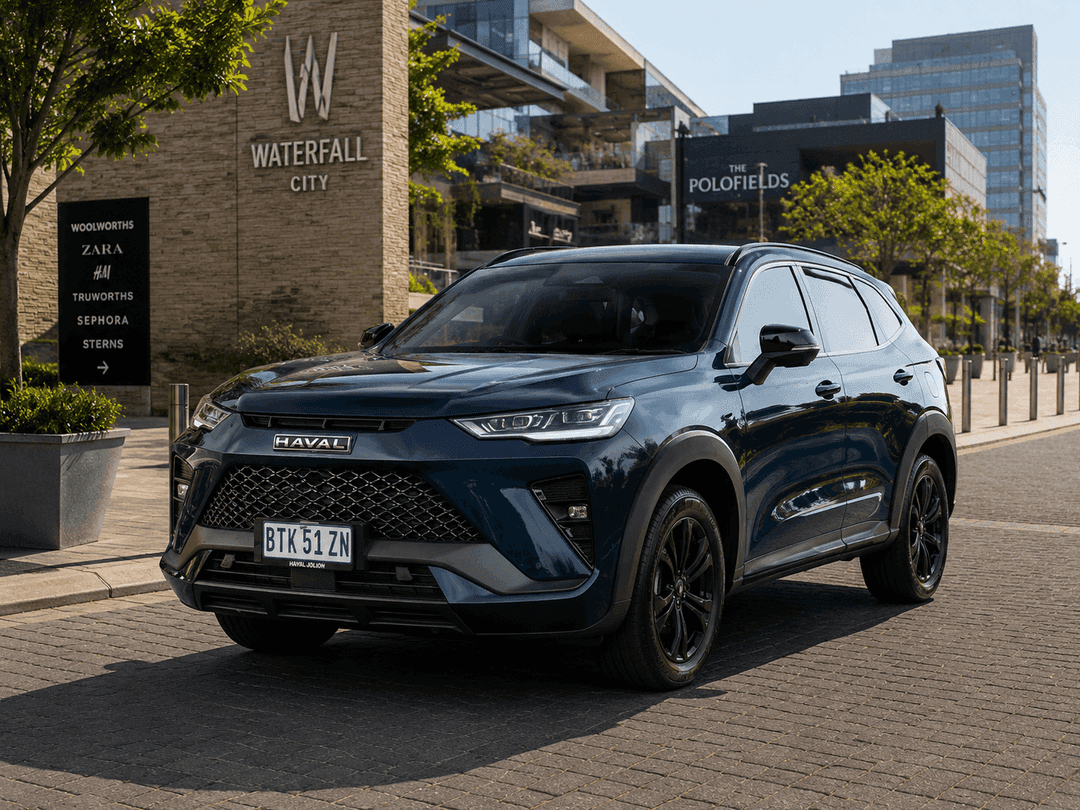
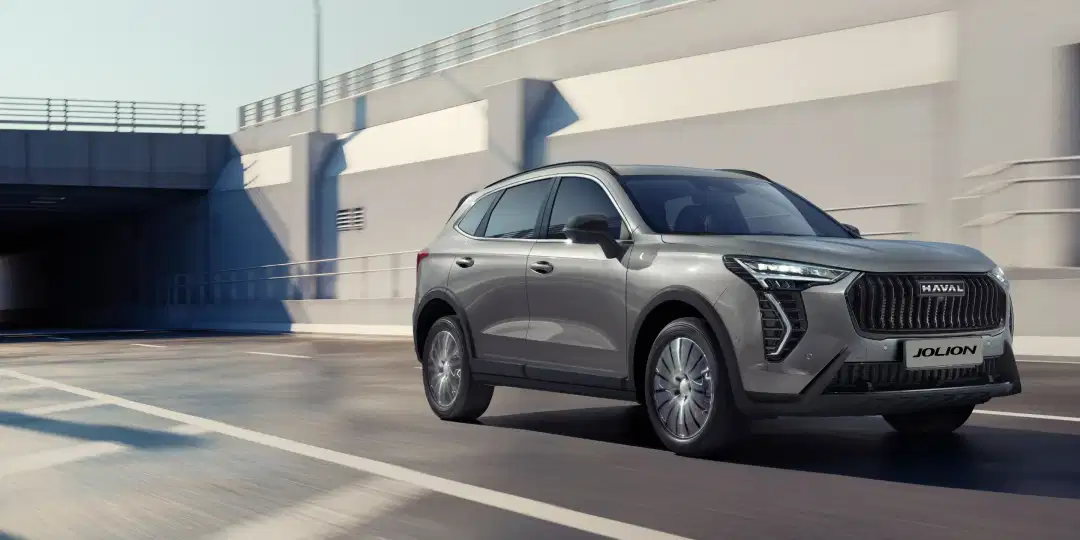
Haval went for a wide, low-slung nose, a large mesh grille and slim headlights, and it has aged rather well. In fact, the Jolion looks more expensive than many of the used examples now cost.
Ground clearance is 190mm, which is enough for corrugated Karoo gravel or a washed-out farm entrance, although nobody should mistake it for a Hilux. It seats five, has five doors and, thankfully, the styling stays on the right side of flashy.
Where it sits in the segment
Alongside the Corolla Cross, the Jolion is bolder and less conservative. Toyota plays the familiar card; Haval goes after kerb appeal. That approach works in the B-segment crossover class, where emotion often gets the buyer through the showroom door before the spreadsheet appears.
Cabin & Practicality
Climb aboard, and the first-generation Jolion’s screen-heavy dashboard still creates a strong showroom impression. Living with it is different. Changing the fan speed on the N1 requires more attention than a simple rotary dial would.
Materials and controls
Soft-touch trim covers the main contact points, while higher grades add faux leather that feels convincing for the money. Less impressive are the buried climate functions. Physical buttons age better than touchscreen menus, especially after years of software updates. Haval corrected some irritations through later dealer-installed software, but these weren’t quick OTA fixes completed during load-shedding at home.
Space and family duty
- Five seats with genuine adult room in the back for two, three at a squeeze.
- ISOFIX anchors for the child-seat crowd, a non-negotiable for the school-run buyer.
- A boot that swallows a family shop and a pram if you pack smart.
- 55 litre fuel tank, which stretches a long way on the open road given the 8.1 l/100km claim.
Our 780mm folded pram fitted lengthways with two soft bags beside it, though a bulky hard-shell suitcase required removing the parcel shelf. For a couple with one or two kids doing suburban Joburg and the occasional coastal run, the packaging holds up.
On the Road
Power comes from a 1.5-litre turbo-petrol four making 143hp and 210Nm, driving the front wheels through a seven-speed dual-clutch gearbox. Properly adequate. It’s not quick, and it doesn’t pretend to be.
Engine and gearbox
Zero to 100km/h takes a claimed 9.8 seconds, and top speed is 185km/h. Around town, the turbo four has enough shove for gaps and short on-ramps. The dual-clutch is the wildcard. In stop-start traffic on Jan Smuts at 5pm, the DCT can shudder and hesitate while choosing a ratio. Once cruising on the R21, it settles down and fades into the background.
Ride and refinement
Soft suspension suits South Africa’s patched surfaces, absorbing sharp ridges without turning every pothole into a cabin event. Highway manners are relaxed, although the light steering prioritises parking ease over feedback. I once heard our test car’s gearbox chatter briefly after a steep parking-ramp crawl; back on level ground, it behaved normally.
Ignore the 1.7kWh figure you’ll see quoted as proof of EV ability. It refers to the 48V mild-hybrid buffer on later cars, not a plug-in battery, so there are no battery size options or DC charging speeds to compare. We observed 9.2 l/100km over 436km of mixed driving, against the 8.1 claim. With the 55-litre tank, that suggests about 598km between fills rather than the theoretical 679km. N3 toll-plaza queues and Gauteng traffic will cut that further.
Data & Comparison
Right, so here’s the section many used-car reviews rush. We charted the numbers.
What the listings show
Across our set of 400 recent Jolion listings, the average asking price lands at R402,924, with the range spanning R209,900 to R521,450. Separate those adverts by year, and the depreciation pattern becomes obvious.
| Model year | Listings | Median asking (ZAR) |
|---|---|---|
| 2021 | 29 | R269,950 |
| 2022 | 57 | R289,950 |
| 2023 | 74 | R299,700 |
| 2024 | 78 | R349,920 |
| 2025 | 228 | R392,150 |
A 2021 Jolion now medians around R269,950. That’s the heart of the used Haval Jolion price question. Three-year-old cars cost considerably less than an equivalent Corolla Cross, giving you a stronger position with a private seller or a chain such as CMH Haval.
Jolion versus the rivals
| Spec | Haval Jolion 1.5T | Toyota Corolla Cross 1.8 | Chery Tiggo 4 Pro 1.5T |
|---|---|---|---|
| Power | 143hp | ~103hp | ~145hp |
| Torque | 210Nm | ~172Nm | ~210Nm |
| Claimed economy | 8.1 l/100km | ~6.8 l/100km | ~7.5 l/100km |
| 3yr retention (independent est.) | ~58% | ~68% | lower than Jolion |
Rival power and economy figures are approximate, drawn from published manufacturer data for context.
Cost of ownership
- Estimated five-year total cost of ownership: around R230,000.
- Out-of-plan minor service reported at roughly R4,000 to R4,500.
- Major service reported around R7,500 to R8,800.
- An aftermarket DCT clutch kit runs roughly R8,500 to R12,000 before labour.
Independent book-value data suggests a 2022 sample lost around 21.5% over three years, better than a comparable Tiggo 4 Pro. Blanket claims about Chinese car resale value in South Africa being disastrous simply don’t match these figures.
Editorial Focus
Now for the uncomfortable question: does the used discount beat the depreciation?
Independent estimates place the Jolion at roughly 58% retention at three years, against the Corolla Cross at about 68%. A ten-point gap. Toyota wins on percentage, on paper at least. Buyers don’t spend percentages, though. They spend rand.
A Corolla Cross costs meaningfully more new. Buy the Jolion far enough below it and the Haval can lose a larger slice while still costing you fewer rand overall. Our listing sample backs that argument. With 2021 Jolions medianing under R270,000 in 2026, the strongest value sits with buyers entering after the original owner has taken the first hit.
As for Haval Jolion problems, the checklist is fairly short but shouldn’t be ignored. The 7DCT shudder is the headline warranty complaint, especially after repeated crawling in city traffic, and a dealer software update often sorts it before parts are required. Early 2021 to 2022 builds are also flagged for cold-start timing-chain rattle, so insist on hearing the engine from stone cold. Routine service parts are usually held by Haval’s established multi-brand distribution network, while control modules and DCT clutch packs may come through the importer with a wait. My pick is a highway-driven 2022 or 2023 mid-trim car with documented servicing and current gearbox software. That’s where the maths works.
Safety rating
Global NCAP #SaferCarsForAfrica · tested 2026
★★☆☆☆ 2/5 adult occupant
★★★☆☆ 3/5 child occupant
SA-market test (Test valid for: South Africa). Official factsheet.
Verdict
Buy a used Jolion if you want a handsome, well-equipped family crossover and you’re prepared to shop carefully. I’d prioritise a mid-spec model with a full service history, evidence of mostly highway use and confirmation that the DCT software is up to date.
I’d walk away if the gearbox shudders during a test drive or the car has spent its life crawling through traffic. And if resale value matters more to you than getting more car for your money, the Corolla Cross remains the safer bet. For everyone else, a good used Jolion makes a pretty convincing case.
Wait if you’re considering a brand-new one. Used-market supply is doing the depreciating for you, and 2026 listing volumes should keep prices soft. Let somebody else absorb the first hit.
Summary
A numbers-first look at the used Haval Jolion 1.5T in City and Premium trim, covering depreciation, owner complaints, parts supply and the Toyota Corolla Cross resale gap.