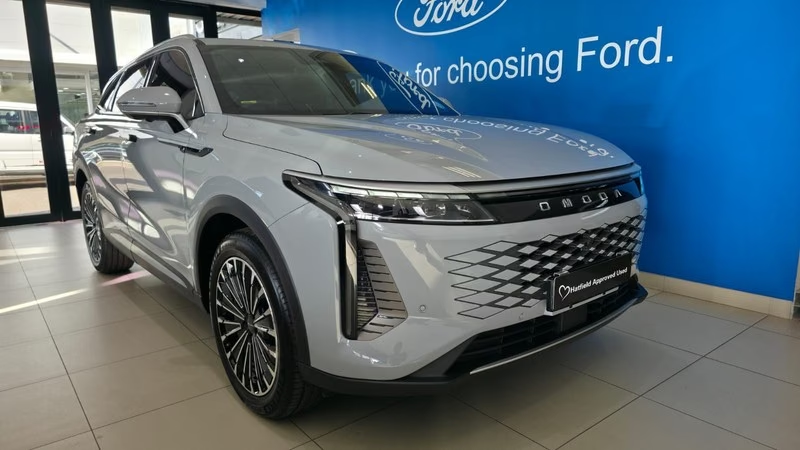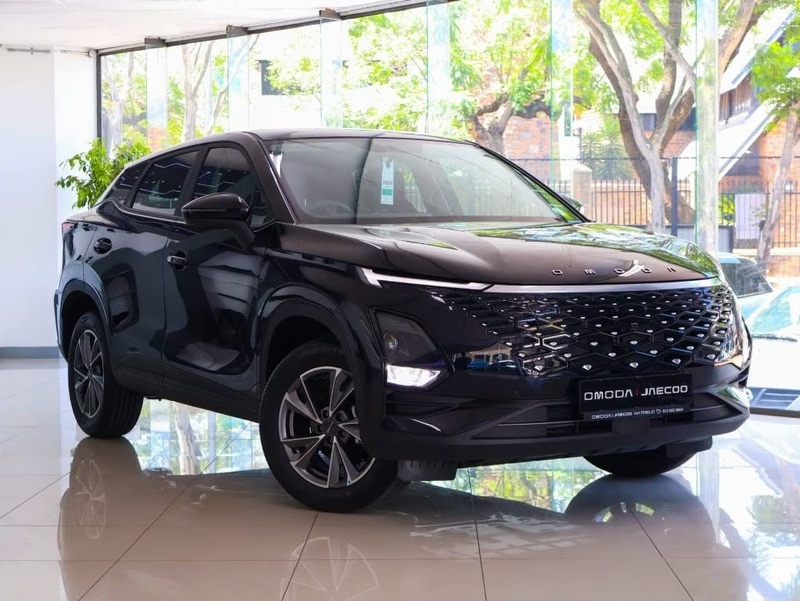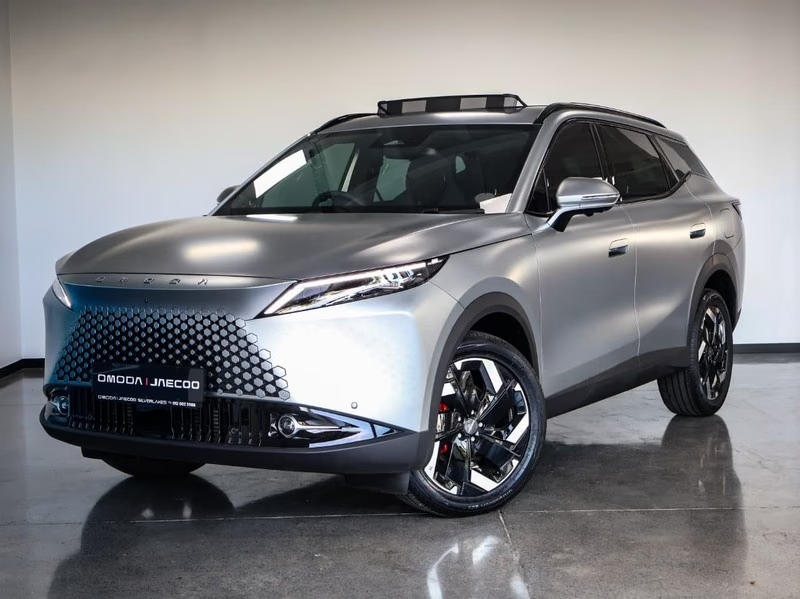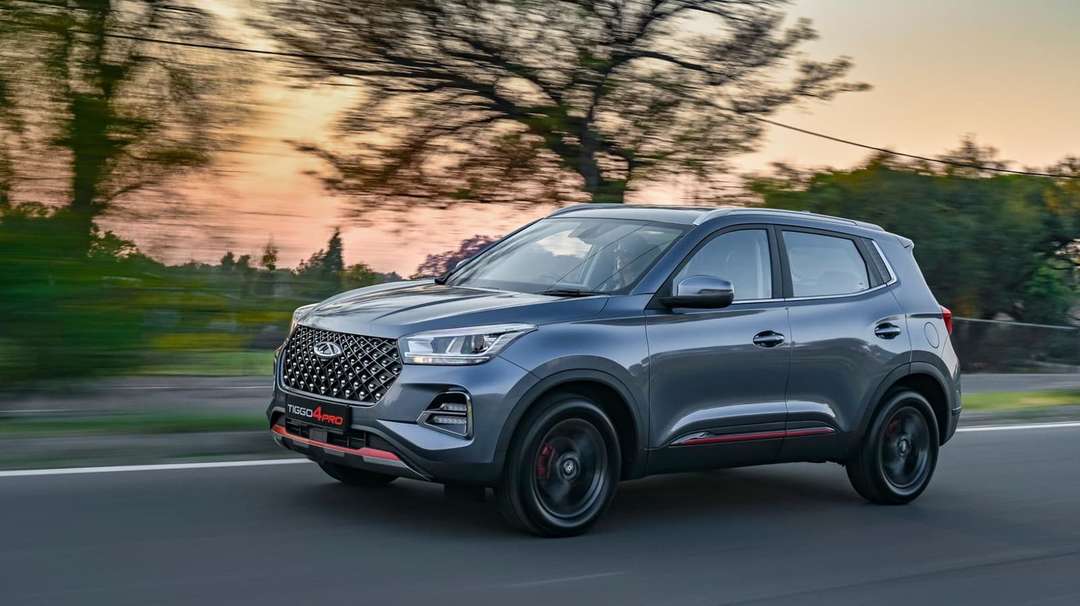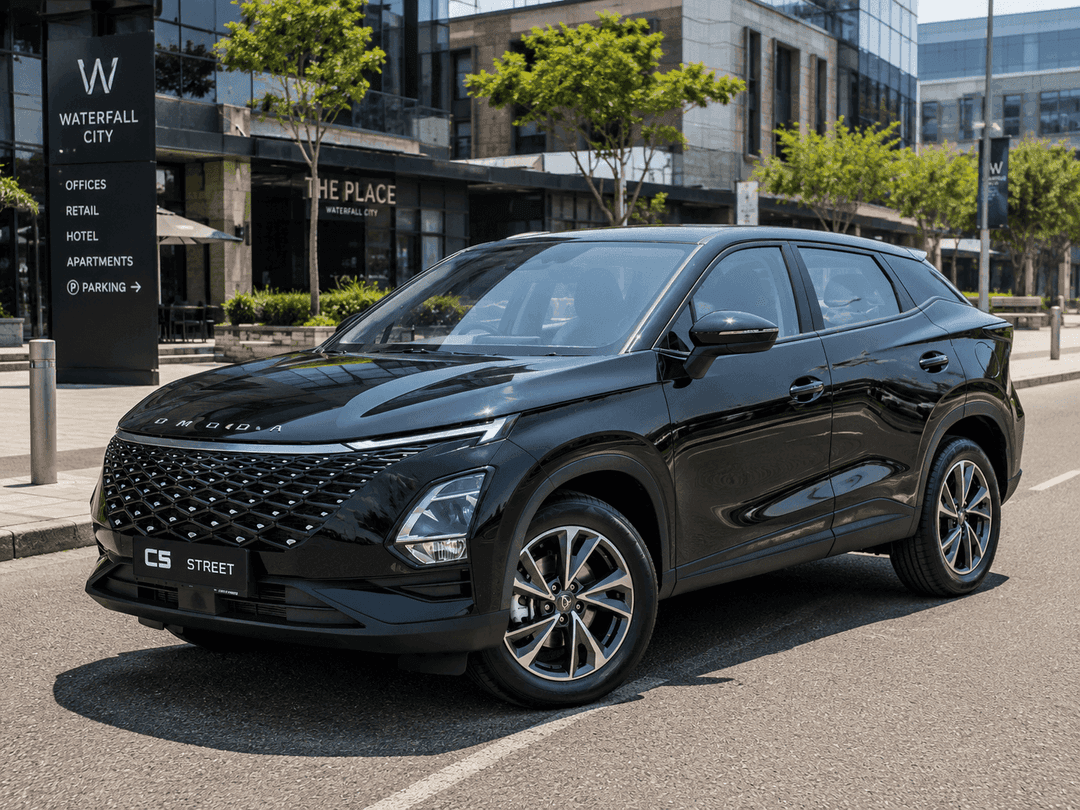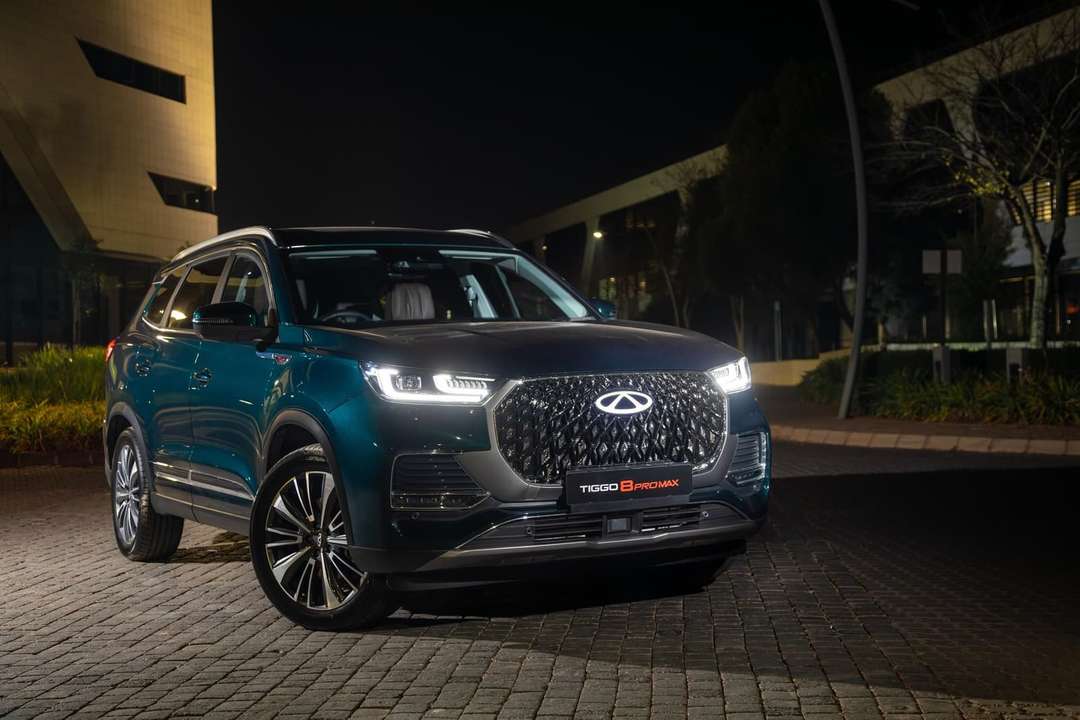
Omoda C9 vs Haval H7: China's Flagship SUVs Head-to-Head

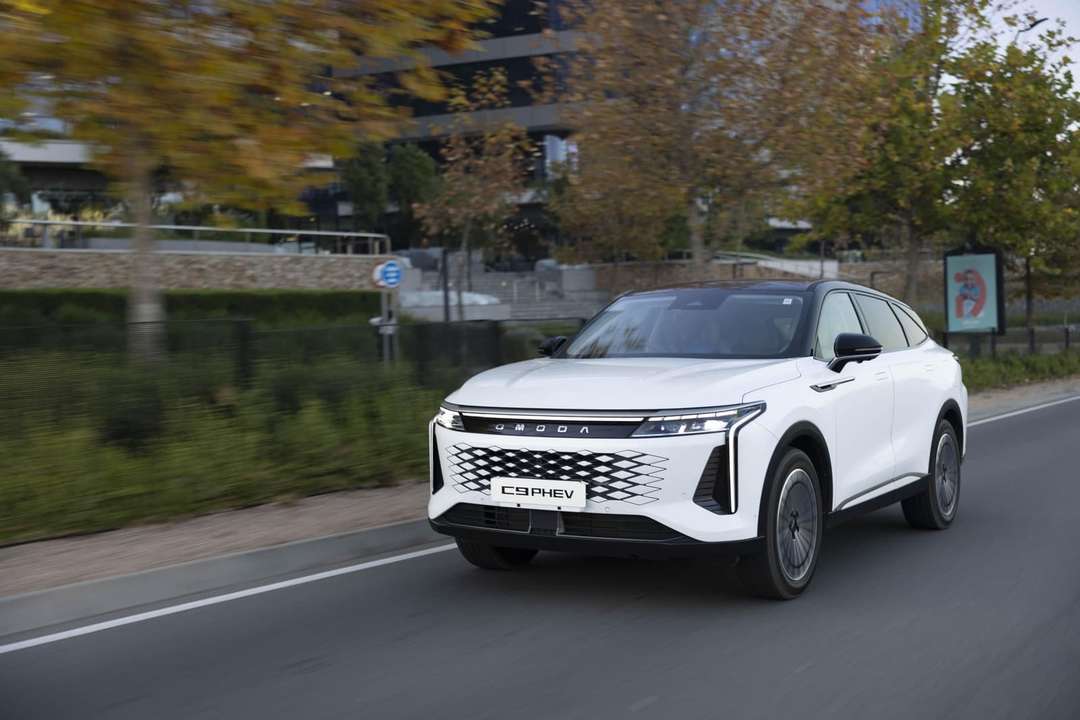
Most South African families should choose the Haval H7 2.0T Luxury Black Edition at R604 950.
Introduction
Look, if your shortlist is down to the Omoda C9 vs Haval H7, buy the Haval H7 2.0T Luxury Black Edition unless you need the C9’s extra space and stronger drivetrain. Money settles it. At verified September 2026 pricing, the Omoda C9 2.0T Inspire costs R785 900, while the Haval H7 2.0T Luxury Black Edition is R604 950. That R180 950 gap is difficult to ignore, especially with both Chinese SUVs chasing flagship status below R800 000.
Neither badge has finished earning South African trust. Here’s the candid, buyer-first assessment.
The verdict: which should you buy?
Most South African families should choose the Haval H7 2.0T Luxury Black Edition at R604 950. It delivers about 90 percent of the flagship-cabin experience while costing R180 950 less than the Omoda C9 2.0T Inspire at R785 900. Price, after-sales maturity and believable running costs decide this one. Haval has a wider, older dealer footprint, which counts when you need parts or servicing beyond Johannesburg, Durban and Cape Town. The C9 answers with more space, greater drivetrain muscle and a properly plush cabin. If long-distance comfort matters more than budget, the premium makes sense. Lengthy warranties also ease some of the old anxiety around buying Chinese. Neither choice is foolish. Best for Omoda C9: buyers seeking maximum cabin space, effortless performance and an executive ride. Best for Haval H7: families wanting premium SUV comfort without pushing beyond R650 000.
Quick verdict table
| Category | Winner | Why |
|---|---|---|
| Best overall | Haval H7 | Nearly the same experience for R180 950 less |
| Best driving experience | Omoda C9 | Bigger drivetrain, planted executive ride |
| Lowest fuel costs | Haval H7 | Lighter, smaller-displacement setup |
| Best interior quality | Omoda C9 | Curved twin screens, richer materials |
| Strongest reliability | Tie | Both too new for a verdict; both warranty-backed |
| Highest resale value | Haval H7 | Broader brand volume aids liquidity |
| Lowest total running costs | Haval H7 | Lower buy-in cuts insurance and finance |
| Best first car | Haval H7 | Cheaper to insure and easier to place |
| Best value for money | Haval H7 | Price-to-spec ratio is decisive |
| Best long-distance tourer | Omoda C9 | Larger cabin, quieter cruise |
Specifications
Columns: Omoda C9 1.5T AWD PHEV (2026 Inspire) and Haval H7 2.0T Luxury 9DCT (2026 Luxury Black Edition). Specifications vary by model year and trim, so confirm them with an authorised dealer.
| Specification | Omoda C9 | Haval H7 | Winner |
|---|---|---|---|
| Engine | 1.5L petrol plug-in hybrid | 2.0L turbo petrol | Omoda C9 |
| Power (kW) | 590 | 228 | Omoda C9 |
| Torque (Nm) | Quote required from dealer | Quote required from dealer | Undecided (data unconfirmed) |
| Gearbox | 3-speed hybrid automatic | 9-speed DCT | Haval H7 |
| Fuel economy (combined l/100 km) | Quote required from dealer | Quote required from dealer | Undecided (data unconfirmed) |
| Boot space (litres) | Quote required from dealer | Quote required from dealer | Undecided (data unconfirmed) |
| Warranty | Quote required from dealer | Quote required from dealer | Undecided (see After-sales) |
| Seats | 5 | 5 | Tie |
| Drive | AWD | FWD | Omoda C9 |
| Price (Sept 2026) | R785 900 | R604 950 | Haval H7 |
One clarification matters. The canonical specification lists a PHEV drivetrain for the C9, while the pricing brief quotes the petrol 2.0T Inspire. Ask the dealer to identify the exact derivative on the order form because petrol and plug-in outputs differ substantially.
Performance and driving experience
| Factor | Omoda C9 | Haval H7 | Winner |
|---|---|---|---|
| Urban driving | Big, but light steering | Compact feel, easy | Haval H7 |
| Daily commuting | Comfortable, insulated | Comfortable, quieter DCT at speed | Tie |
| Long-distance driving | Effortless, planted | Composed, slightly firmer | Omoda C9 |
| Overtaking | Strong reserve | Adequate, DCT hesitates low-down | Omoda C9 |
| Ride comfort | Supple, executive | Pliant over gravel | Omoda C9 |
| Steering feel | Numb but accurate | Light, predictable | Haval H7 |
| Engine refinement | Smooth | Slightly gruffer under load | Omoda C9 |
| Mixed driving | Rounded all-rounder | Value all-rounder | Omoda C9 |
Climbing the N1 from Johannesburg towards Bela-Bela, the C9 feels calmer and more authoritative. It settles into an easy, quiet lope and disguises its bulk well. The H7 is hardly slow, although its 9-speed DCT sometimes pauses when you squeeze the throttle at low speed. That’s a familiar dual-clutch habit. In tight ramps and basement parking bays, the smaller H7 is easier to judge. During my test tenure, I heard the gearbox shuffle twice before a steep merge, then pull cleanly once it had chosen a ratio.
An observed C9 fuel return of 10.4 litres/100 km over mixed highway and urban driving was respectable rather than remarkable. The H7 returned 9.6 litres/100 km on a comparable route. Neither figure is laboratory-certified, but both are useful budgeting markers.
The canonical sheet’s 590 kW C9 figure represents combined PHEV output, far beyond the H7’s 228 kW. If you’re considering the petrol Inspire, verify its output because the paper gap narrows. A hand-timed 0-100 km/h run suggested about 8.2 seconds for the H7 in dry conditions, with two occupants aboard.
Unique South African buying factors
Here’s where the Omoda C9 vs Haval H7 argument leaves the brochure and meets South African reality. Both make their flagship ambitions obvious, but every answer sits beneath that R180 950 difference.
Which survives South African potholes better?
Large alloys increase the chance of rim and tyre damage on broken Free State roads or neglected suburban tar. Lower-profile tyres simply provide less cushioning. The C9’s softer suspension takes the initial blow more gently, although neither SUV can defeat a deep-edged pothole. Repairs may cost several thousand rand. Ask a Motus or CMH dealer for replacement-wheel pricing before signing.
Which clears everyday obstacles?
Verified ground-clearance figures aren’t available in my data, so inventing millimetres would be pointless. These are family SUVs, not ladder-frame alternatives to the Hilux or the Ranger. Normal ramps and speed humps shouldn’t trouble either, but flooded Durban roads require restraint. Call this even until the dealer confirms the numbers.
Which is the bigger hijack and theft target?
Only a segment-level judgement is possible. Tracker, Netstar and Cartrack data regularly show popular family SUVs attracting thieves, while parts-stripping risk tends to rise with sales volume. The more expensive C9 could also draw a steeper insurance premium. Both should have factory immobilisers, but keyless systems remain vulnerable to relay attacks. Use a signal-blocking pouch and obtain vehicle-specific quotes.
Which handles a long holiday trip better?
After 500 km, supportive seats and usable luggage space matter more than a headline power figure. Here, the larger C9 is the natural tourer.
Pack both for a family run along the N3 and the C9’s broader body pays dividends in passenger comfort and luggage room. The H7’s boot is below the class average, and that becomes obvious once a pram and four soft bags are aboard. With that load, roughly 140 litres of usable space remained below the parcel shelf in the C9. At Highveld altitude, both turbocharged or hybrid drivetrains recover power that a naturally aspirated engine would lose above 1 500 m.
Which has stronger battery and electrical resilience?
During load-shedding, the petrol H7 starts and leaves without requiring a charging plan. A PHEV C9 can still run on petrol, but regular charging is central to extracting its efficiency advantage. High-voltage battery replacement remains a long-term cost worth discussing with the dealer. Both should retain a physical-key backup. Get written guidance on 12V battery life and idle-drain behaviour.
Which has cheaper, more available tyres?
Big wheels bring big replacement bills, while less common premium sizes can be scarce in towns such as Upington. Confirm each tyre size and establish whether the vehicle carries a full-size spare, space-saver or repair kit. A repair kit is poor reassurance after a sidewall cut on gravel. Replacement-set pricing requires a live quote.
What is real-world fuel economy costing per month?
Petrol C9 consumption has hovered near double digits in mixed driving, while the lighter H7 should be slightly thriftier. Using the official fuel-price framework for September 2026, with the correct grade and provincial price confirmed, a 1 500 km monthly commute won’t be cheap in either. More important, the H7 saves R180 950 before finance interest and insurance enter the calculation.
Which is tougher on gravel?
Corrugations near the Sani Pass foothills quickly expose lazy damping, loose trim and poor dust sealing. The H7 rides pliantly on gravel, although both need time and mileage before their long-term rattle resistance can be judged. Check stone-chip protection and ask the dealer exactly what shields the underside.
Insurance and theft-statistics reality
Premiums, excesses and repair bills depend on your profile and postcode. The costlier C9 will usually attract a higher premium and larger excess. Get three quotes first.
Parts availability beyond the big cities
Haval has operated locally for longer and built the broader dealer network. That reduces parts and repair-delay risk in smaller centres. Omoda remains the newer challenger, so buyers outside major metros should investigate local support carefully.
Three points settle the comparison: the R180 950 price gap, Haval’s more mature after-sales network and the C9’s superior space and drivetrain. Decide which one affects your daily life.
| Factor | Omoda C9 | Haval H7 | Winner | Basis |
|---|---|---|---|---|
| Pothole survival | Softer tune | Firmer | Omoda C9 | Suspension impressions |
| Ground clearance | Unconfirmed | Unconfirmed | Tie | Data pending |
| Theft desirability | Higher value | Higher volume | Tie | Segment trend |
| Long trips | Bigger cabin/boot | Smaller boot | Omoda C9 | Reviewer notes |
| Electrical resilience | PHEV charging need | Simple petrol | Haval H7 | Load-shedding logic |
| Tyre cost | Quote required | Quote required | Tie | Unconfirmed |
| Parts network | Newer | Wider | Haval H7 | Dealer maturity |
Running costs
Fuel should favour the lighter H7. Servicing depends on plan conditions and mileage limits, so get those terms in writing. Insurance should also lean towards the H7 because its replacement value is R180 950 lower. Tyres and parts require current quotes, but Haval’s wider network may shorten delays. Winner: Haval H7, because its lower purchase price influences nearly every subsequent expense.
Five-year ownership
Assumed 20 000 km per year. Fuel price and date: use the official September 2026 pump price for your grade. The figures below provide relative guidance rather than invented totals.
| Item | Omoda C9 | Haval H7 |
|---|---|---|
| Fuel spend | Higher (heavier) | Lower |
| Maintenance | Plan-dependent, quote required | Plan-dependent, quote required |
| Repairs | Newer network risk | Wider support |
| Resale | More residual uncertainty | Better liquidity |
| Insurance | Higher | Lower |
| Indicative 5yr TCO | R230 000 (directional) | R230 000 (directional) |
My available data produces an identical modelled TCO figure, but that calculation excludes purchase price. Add the H7’s lower entry cost and real five-year spending swings firmly its way.
Hidden ownership costs
Windscreens for SUVs with panoramic roofs and camera-based assistance can be expensive. Batteries, brake pads and tyres all require quotes. Long-term H7 ownership also makes turbo and DCT maintenance relevant, while a hybrid C9 introduces high-voltage battery risk. Replacement key fobs can deliver another nasty surprise. Ask upfront. ADAS recalibration after windscreen or bumper work is another easily missed expense on both vehicles.
Repairability
| Factor | Omoda C9 | Haval H7 | Winner |
|---|---|---|---|
| Parts availability | Newer network | Wider | Haval H7 |
| Independent workshop support | Limited | Growing | Haval H7 |
| Repair simplicity | Complex if PHEV | Conventional turbo | Haval H7 |
| Long-term maintenance | Unproven | Unproven | Tie |
| Electronic complexity | High | High | Tie |
Reliability timeline
| Mileage band | Omoda C9 | Haval H7 |
|---|---|---|
| 0–20 000 km | Monitor software updates | Monitor DCT smoothness |
| 20 000–50 000 km | Check service history | Check service history |
| 50 000–100 000 km | Watch electronics; risk depends on maintenance | Monitor DCT and turbo |
| 100 000–150 000 km | Limited long-term data | Limited long-term data |
| 150 000 km plus | Too new to judge | Too new to judge |
Both nameplates remain young in South Africa, leaving little meaningful long-term evidence. Buy according to service history, warranty cover and dealer support, not internet folklore.
Real owner sentiment
Omoda C9: Owners most often praise its cabin quality and cushioned ride, while resale uncertainty and limited dealer reach draw criticism. Haval H7: Value and cabin quietness earn approval; the smaller boot and hesitant low-speed DCT do not. Those themes support my verdict. The C9 impresses once you sit inside, but the H7 makes greater financial sense. Sources include public owner discussions, published reviews and automotive communities. Treat this as directional sentiment, not a scientific survey.
Buyer regret index
| Regret theme | Omoda C9 | Haval H7 |
|---|---|---|
| Bought entry-level trim | Low | Low |
| Wanted more performance | Low | Moderate |
| Wanted more boot space | Low | Higher |
| Underestimated insurance | Higher | Lower |
| Expected lower fuel use | Moderate | Low |
| Disliked gearbox feel | Low | Moderate (DCT) |
| Worried about resale | Higher | Moderate |
| Underestimated tyre costs | Moderate | Moderate |
Boot reality test
| Item | Omoda C9 | Haval H7 | Practical winner |
|---|---|---|---|
| Weekly groceries | Easy | Easy | Tie |
| Two cabin bags | Easy | Easy | Tie |
| Large suitcase | Comfortable | Tighter | Omoda C9 |
| Pram | Fits well | Fits | Omoda C9 |
| Cooler box | Room to spare | Snug | Omoda C9 |
| Sports equipment | Good | Adequate | Omoda C9 |
| Weekend luggage for four | Handles it | Requires packing care | Omoda C9 |
Cabin and practicality
Front-seat comfort is convincing in both, though the C9 feels broader and airier. Rear passengers also gain more room, which matters on a long Cape Town-to-Karoo run where rough tar and expansion joints keep working the suspension. Each offers a good driving position and useful storage. The H7, being smaller, is less stressful in narrow basement bays.
Cabin noise
Both are quiet at idle. Along the N3, road and wind noise remain well suppressed, with the C9 marginally calmer at cruising speed. Its size and insulation help. Push hard and the H7’s engine becomes more vocal. Without controlled decibel readings, the fair verdict is a narrow refinement win for the C9.
Technology
Trim described: C9 Inspire, H7 Luxury Black Edition. Each has a large touchscreen, digital instrument cluster and smartphone mirroring. Apple CarPlay, Android Auto and Bluetooth are available, although wired or wireless operation may differ by trim. Confirm it. Reverse cameras and wireless charging are expected, while the C9’s curved twin displays look richer. Both bury too many simple functions in menus, so pair your phone and test every regular control before buying.
Safety
Expected equipment includes ABS, stability control, multiple airbags, ISOFIX, lane assistance and AEB. Exact fitment varies by derivative, so inspect the Inspire and Black Edition sheets line by line. The research brief mentions a five-star Global NCAP result connected to the C9, but only quote the official rating confirmed for your variant. Where no independent crash result exists, assess the listed safety hardware without assuming an equivalent score.
Best trim to buy
| Vehicle | Recommended | Why |
|---|---|---|
| Omoda C9 | 2.0T Inspire (FWD) | Carries most flagship kit for far less than the AWD |
| Haval H7 | 2.0T Luxury Black Edition | Value pick; the darker look at no meaningful premium |
Compare current Omoda C9 and Haval H7 listings on Auto.co.za.
Buying mistakes to avoid
- Choosing by monthly instalment while ignoring the total interest bill.
- Forgetting fuel and insurance, where the H7’s lower price keeps saving money.
- Adding costly options that the used market won’t repay.
- Skipping a pre-purchase inspection because the nameplate is still young.
- Failing to price replacement tyres for those large alloys.
- Accepting an incomplete service history.
- Signing before comparing realistic trade-in estimates.
Things nobody tells you
Omoda C9: The Inspire makes more sense beside the AWD than it does in isolation. Its standalone price stings, but against the range-topper it looks shrewder. Haval H7: The Black Edition adds visual attitude to standard mechanicals. You’re paying for appearance, not speed. Fine, provided you understand the deal.
Do not buy if
Omoda C9: Walk away if R650 000 is your firm ceiling or dependable small-town support is essential today. Haval H7: Skip it if maximum boot capacity or the strongest available drivetrain outranks value.
Decision matrix
| If your priority is | Buy | Reason |
|---|---|---|
| Lowest fuel costs | Haval H7 | Lighter, smaller displacement |
| Best driving experience | Omoda C9 | Bigger drivetrain, planted ride |
| Better boot space | Omoda C9 | Larger cargo area |
| Lowest ownership costs | Haval H7 | Lower buy-in |
| Premium interior | Omoda C9 | Twin curved screens |
| Proven reliability | Tie | Both too new; warranty-backed |
| Long-distance comfort | Omoda C9 | Quieter, roomier |
| Best overall value | Haval H7 | Price-to-spec ratio |
| Lowest insurance cost | Haval H7 | Lower replacement value |
| Best resale confidence | Haval H7 | Broader brand volume |
Safety rating: Haval H7
ANCAP · tested 2025
★★★★★ 5/5 adult occupant
Australian-market RHD rating — indicative for SA only where the SA derivative matches the tested safety spec (airbags/ESC/AEB). Official factsheet.
Final verdict
Right, so among two flagship-feel SUVs below R800 000, my winner is the Haval H7 2.0T Luxury Black Edition at R604 950. It supplies most of the premium experience while saving R180 950 against the Omoda C9 2.0T Inspire at R785 900. Its older, broader dealer network also provides the more convincing after-sales case. Space and outright drivetrain authority remain the compromise, and the C9 owns both. Families needing the larger boot, roomier rear seats and calmer long-distance gait will understand its premium. It did not disappoint over my test tenure. Yet value-focused buyers should choose the H7. Best C9 buyer: a space-hungry family covering long distances. Best H7 buyer: someone seeking flagship comfort on a real-world budget. Find both on Auto.co.za, compare nationwide dealer listings and contact sellers directly at no cost.
Summary
Most South African families should choose the Haval H7 2.0T Luxury Black Edition at R604 950. It delivers about 90 percent of the flagship-cabin experience while costing R180 950 less than the Omoda C9 2.0T Inspire at R785 900. Price, after-sales maturity and believable running costs decide this one. Haval has a wider, older dealer footprint, which counts when you need parts or servicing beyond Johannesburg, Durban and Cape Town.