Omoda C9 2.0T Inspire (2026) Review
A lavishly equipped and genuinely rapid flagship, denied a higher score by soft suspension control and unanswered questions about long-term resale.
Introduction
My omoda c9 review arrives at a fairly simple verdict: buy the C9 if you want flagship-SUV presence and plug-in efficiency without paying German-badge money. For 2026, that puts it into an intriguing scrap with a loaded Toyota RAV4. Omoda is Chery's premium sub-brand, still earning trust on our shores, and this is its boldest product yet. Tested in 2025, the near-R1m PHEV asks buyers to back a young nameplate. I spent a week finding out whether that bet makes sense.
Key takeaway: Omoda’s C9 PHEV brings premium-SUV equipment and 440 kW for RAV4-adjacent money, although the soft ride and uncertain resale weaken its luxury credentials.
Design & Exterior
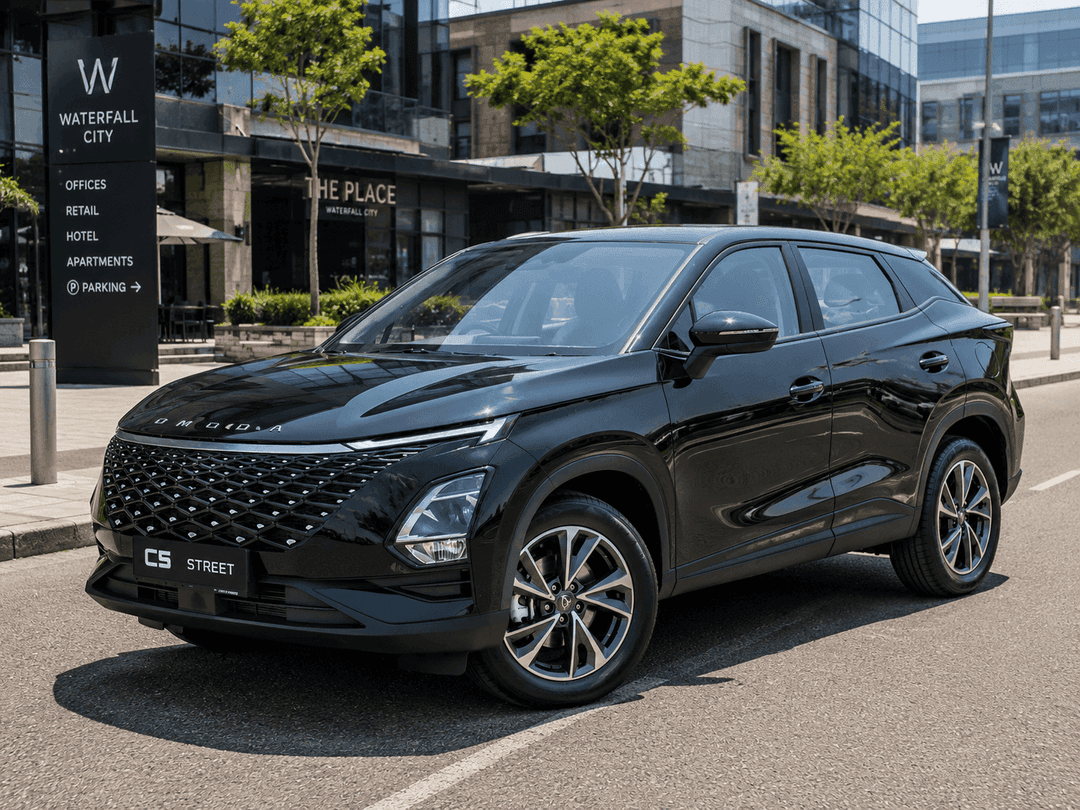
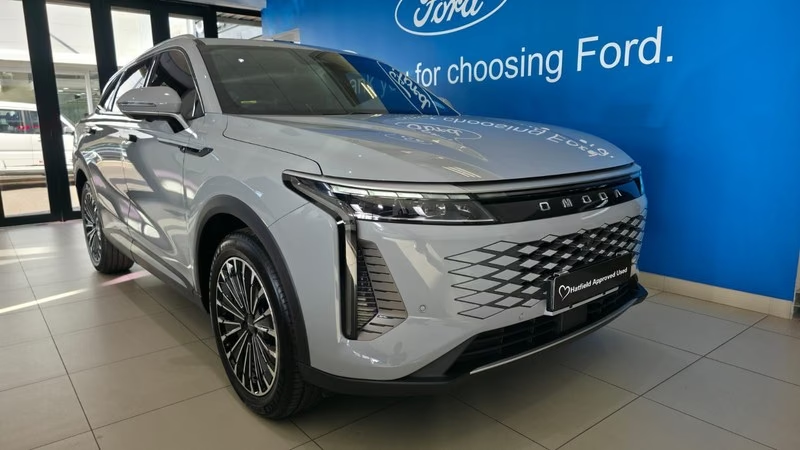
Nothing about the C9 looks cheap. Its long bonnet, shallow glasshouse and broad rear haunches give it genuine road presence, while even the plain white paint worn by many demonstrators suits the shape.
Some details work better than others. Those faux exhaust tips should have stayed in the design studio, to be honest, although the full-width lighting looks properly expensive after dark. Styling is arguably the C9's most assured effort. It appears upmarket without tracing the outline of one obvious rival.
Weighing roughly 2.2 tonnes kerb weight, it's a substantial SUV, and you sense that mass from the driver's seat.
Cabin & Practicality
Materials and layout
Climb aboard and the ambition carries through. Soft leather, nicely damped controls and a broad curved display dominate the cabin, creating an immediate sense of occasion. Mercedes comparisons are understandable, although scratchy plastics lower down expose the budget once curious fingers begin searching.
Standard equipment makes the omoda c9 interior feel particularly generous, especially beside premium rivals that charge separately for much of this kit:
- Panoramic roof
- 360-degree camera
- Heated and ventilated front seats
- Large curved digital display
- Seven airbags and a full Level-2 driver-assistance suite
Space and boot
Rear legroom is generous enough for growing teenagers, school bags and the long family haul to the coast. Boot space is claimed at roughly 660 litres, expanding to about 1 783 litres with the seats folded, but treat that first figure cautiously. A closely related sibling held noticeably less measured luggage than its brochure implied. There’s no spare tyre on the PHEV either, which could become a costly irritation on Sani Pass gravel, miles from a Tiger Wheel & Tyre branch.
On the Road
Performance
Performance supplies the headline. A 1.5T petrol engine works with electric motors and AWD through a three-speed dedicated hybrid transmission, producing a formidable 440 kW system output. A measured 0-100km/h sprint of around 4.9 seconds confirms the numbers aren’t brochure fantasy. Properly quick.
Delivery remains impressively calm. Electric and petrol power trade places without fuss, and the engine stays subdued even when you use full throttle up an on-ramp to match the speed of traffic on the N1.
Ride and handling
Here, some inexperience shows. Broken tar is absorbed reasonably well at cruising speed, but around town the suspension becomes busy and slightly floaty, almost as though the damping can’t quite contain the available muscle. Steering assistance is excessive and body lean arrives early. It is in these conditions that a vehicle's true character is exposed. Through a winding pass, the C9 is capable rather than engaging. Once settled into a steady cruise on the N3, though, it becomes quiet, composed and agreeably effortless.
Efficiency strengthens the case. Omoda claims about 1.4 L/100km with a charged battery and roughly 6.9 L/100km once depleted; one local test observed nearer 7.2. Electric-only range is quoted around 150km, while combined touring range sits near 1 100km. With a 34.5kWh battery and DC fast-charging from 30-80% in roughly 20-25 minutes, the large pack gives you useful options for a Durban trip, provided you plan a suitable charging stop. During my test tenure, I noticed how rarely the petrol engine interrupted a normal suburban morning.
Data & Comparison
Money decides this argument. Flagship omoda c9 price sits at about R999 999, placing the PHEV among fully equipped mainstream hybrid SUVs while leaving a wide gap to comparable premium plug-ins. Against a similarly positioned X3, the difference is roughly R300k or more.
How it stacks up
| Model | System power | 0-100km/h | EV range (claimed) | Indicative price |
|---|---|---|---|---|
| Omoda C9 PHEV (2025) | 440 kW | ~4.9s | ~150km | ~R999 999 |
| Premium German PHEV rival | Lower | Slower | Shorter | ~R1.3m+ |
| Mainstream hybrid SUV (RAV4-class) | Much lower | Far slower | N/A (non-plug-in) | ~R800k-R1m |
Running costs and warranty
Five-year total ownership cost is pegged around R230 000 in our data, which looks competitive for something this heavy and startlingly fast. Your omoda c9 price per month depends on deposit, term and interest rate, yet its sub-R1m list price should produce a markedly lower instalment than a premium-badge PHEV. Omoda’s warranty and after-sales package remains an important trust-building weapon. Buyers should still have the exact warranty, battery cover and service-plan terms written into the quote by their Omoda dealer before signing.
- 0-100km/h: around 4.9 seconds (independently verified)
- Claimed consumption: ~1.4 L/100km charged, ~6.9 L/100km depleted
- Combined range: approximately 1 100km
- DC fast charge: 30-80% in roughly 20-25 minutes
One awkward unknown remains: resale. Nobody can yet put a dependable number on a young premium Chinese nameplate after several years of ownership.
Editorial Focus
Flagship luxury for RAV4 money - does the C9 make the case?
Right, so is the omoda c9 phev the value-luxury SUV of 2026? Pure arithmetic says yes. Buyers receive 440 kW, roughly 150km of EV range, a panoramic roof, ventilated seats and a 360 camera as standard. Pricing overlaps a well-equipped RAV4 and stays hundreds of thousands below a comparable German plug-in. No creative accounting required.
Luxury is where the argument becomes less clear. Ride refinement and several cabin finishes don’t entirely justify a near-R1m price, particularly over rippled Gauteng tar and sharp-edged potholes. A Lexus buyer would identify the floaty low-speed ride and light steering almost immediately. Omoda hasn’t beaten the establishment at chassis polish, but it has quietly exceeded expectations attached to its badge. Buyers who define luxury through presence, equipment and effortless straight-line performance will find plenty to admire. Those expecting perfectly controlled composure across every neglected South African surface may leave unconvinced. For families comparing specification with actual spend, the compromise still favours Omoda.
Verdict
Omoda has taken a brave swing, and much of it works. The C9 did not disappoint for presence, straight-line pace or perceived value. Chassis polish remains its weak point, while future resale is impossible to call with confidence.
- Buy it - the value-hunter: If maximum equipment, power and EV range per rand matter to you, and the warranty provides enough reassurance, the C9 is a persuasive buy at around R999 999.
- Shortlist it - the tech-first family: If cabin technology, standard luxuries and long combined range outweigh ultimate ride control, compare it directly with the mainstream hybrids on your list.
- Wait - the resale-conscious buyer: If you intend selling after three years, allow the brand’s used-market record to mature before spending near-R1m.
- Walk away - the driver's-SUV purist: If accurate steering and tight body control sit above equipment and straight-line speed, an established rival such as the RAV4 will probably suit you better.
Summary
Here’s the short version. The 2025 Omoda C9 1.5T AWD PHEV combines serious pace, a polished cabin and useful plug-in range, while costing closer to a loaded mainstream hybrid than a premium European PHEV.
Ratings
Pros
- ✓If maximum equipment, power and EV range per rand matter to you, and the warranty provides enough reassurance, the C9 is a persuasive buy at around R999 999.