Hyundai Santa Fe 1.6T Hybrid Elite (2026) Review
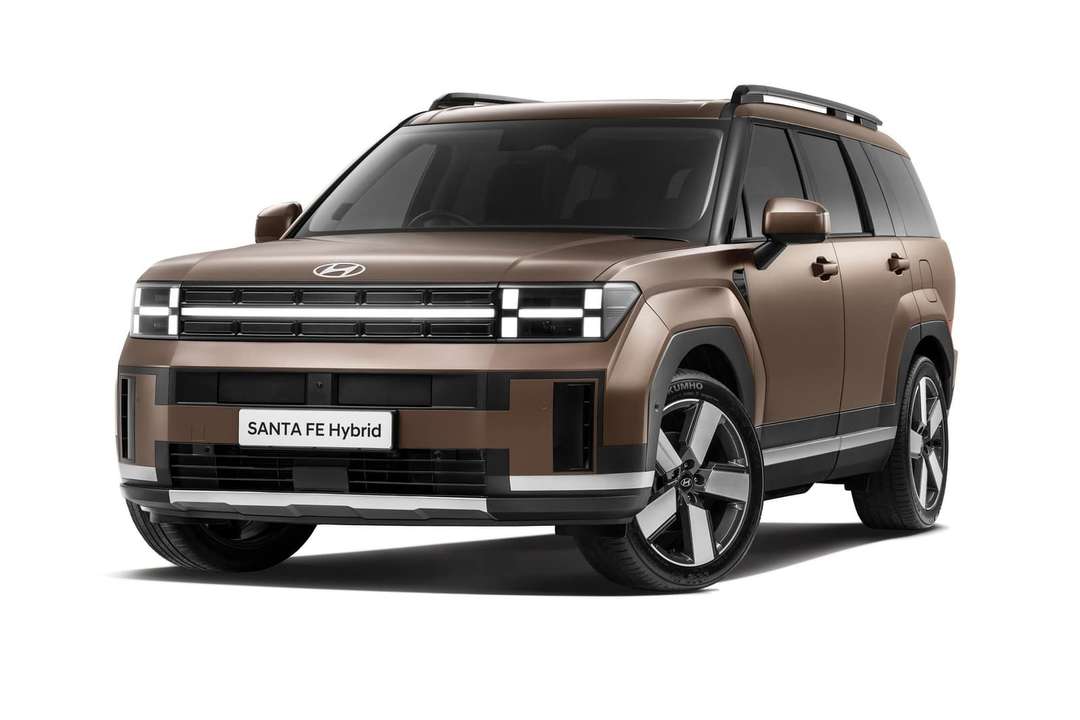
A desirable, well-built family hybrid with excellent space and refinement, held back by real-world economy that struggles to match its optimistic claim.
Introduction
The verdict is fairly straightforward. If comfort, space and refinement matter more to you than diesel torque or serious off-road ability, the Santa Fe Hybrid is an easy SUV to live with. Just don't expect to match Hyundai's claimed fuel consumption without a bit of luck.
The boxy styling might grab your attention, but the bigger story is what sits underneath. For 2026, Hyundai South Africa has gone hybrid-only, dropping the long-serving diesel in a market that's still very fond of oil burners. It's a bold move, and one that raises a few important questions. Does the hybrid make sense in the real world? How does it compare with the Kia Sorento? And is giving up diesel really a sacrifice? Those are the answers this review aims to provide.
Key takeaway: A handsome, comfortable unibody seven-seater that uses less fuel than a petrol equivalent, although real consumption trails the sticker. Buy it for space and refinement first.
Design & Exterior
Let's be honest. The styling alone will convince plenty of buyers.
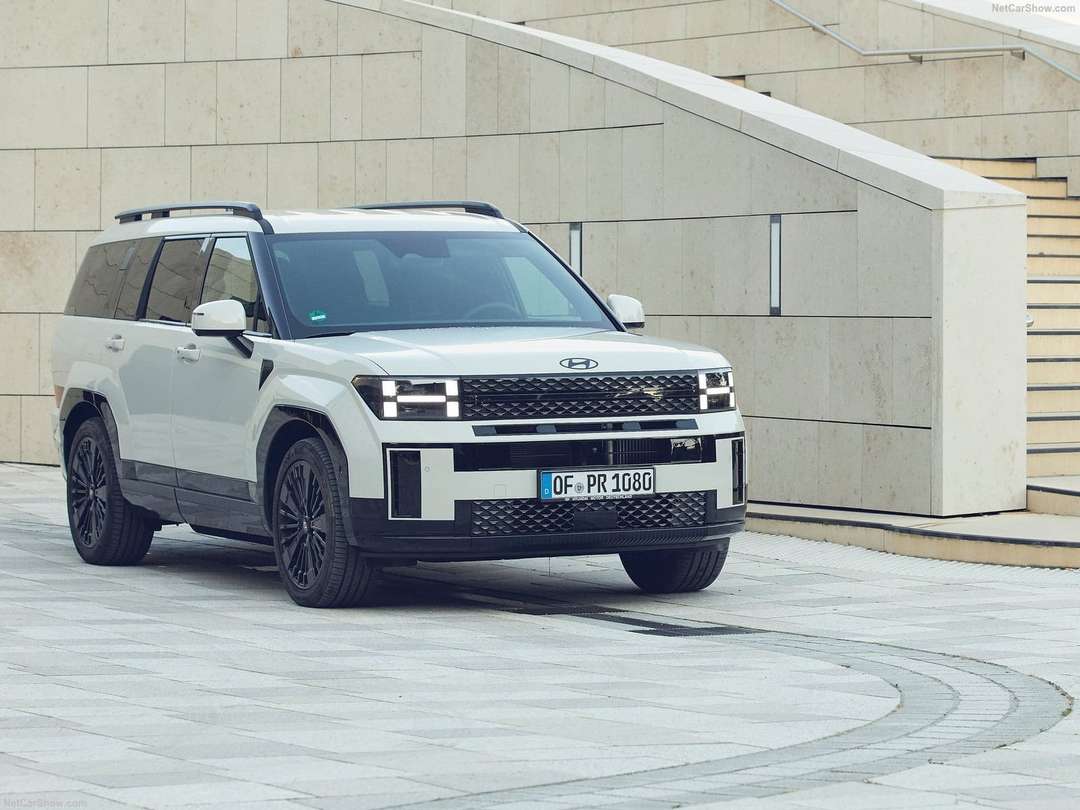
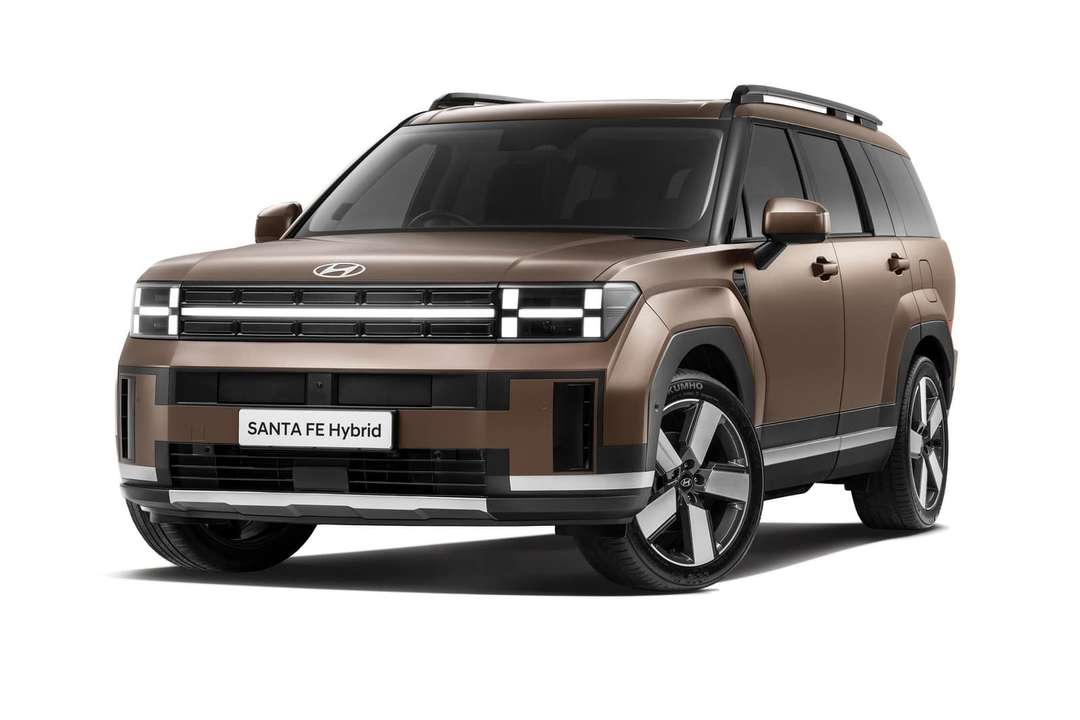
The new Santa Fe doesn't look like another generic family SUV. Its upright shape, flat roof and distinctive H-shaped lighting give it real presence, and it's refreshing to see a design that doesn't rely on fake vents or oversized grilles to stand out.
Park it next to a Fortuner and it looks like it belongs to a different generation altogether. The rear won't be to everyone's taste, but I quite like the fact that Hyundai didn't play it safe.
Despite the rugged appearance, the 185 mm ground clearance tells you exactly what this SUV was built for. It'll handle the odd gravel road without complaint, but it's far more at home soaking up long highway miles than climbing rocky mountain passes.
Where it sits in the segment
Forget Hilux or Ranger levels of toughness. The Santa Fe is built for school runs, family holidays and long stints on the N1. It just happens to look like it's ready for an overlanding trip. And that's exactly the point. Most buyers want the rugged SUV look without having to live with the firmer ride and compromises that come with a ladder-frame 4x4.
Cabin & Practicality
Cabin space is where the squared-off body starts paying rent. Near-vertical rear glass and a high roof create useful headroom and cargo capacity instead of sacrificing both for a sweeping silhouette.
Materials and controls
Twin 12.3-inch displays dominate the dashboard, yet Hyundai has wisely retained physical climate controls below them. Try adjusting a touchscreen fan setting while bouncing along the R573, and you’ll understand why proper buttons still matter.
Material quality improves noticeably over the diesel Santa Fe it replaces. Soft-touch finishes cover the areas you regularly contact, while the switches feel deliberate rather than pulled from a bargain parts bin.
Some lower plastics remain ordinary, particularly around the rear cabin, but they’re placed where muddy shoes and children can do limited damage. Sensible, then.
Space and seating
Standard driver-assistance equipment is generous for the money:
- 360-degree camera for tight mall parkades
- Blind-spot view monitor
- Rear occupant alert, useful in our summer heat
Third-row accommodation is better than average, helped by the upright roof. Adults will still prefer shorter trips back there, while children should have little to complain about.
With the third row folded, we measured 1 105mm between the wheel arches. Two full-size prams and three carry-on bags fitted without stacking luggage above the window line, if you pack smart.
Local RDS listing data tags this variant at 5 seats, although the Santa Fe’s core South African appeal has long included seven-seat flexibility. Confirm the exact configuration with a Hyundai dealer before paying a deposit.
On the Road
This is where the Santa Fe really starts to shine. Its unibody construction gives it the road manners of a well-sorted family car rather than a converted bakkie, and you can feel the difference almost immediately.
Ride and refinement
Well-weighted steering and controlled body movement keep it settled across the N3’s endless expansion joints towards Durban. A ladder-frame Everest tends to thump over the same interruptions; the Hyundai rounds them off.
Independent multi-link rear suspension deserves much of the credit. It also explains why repeated corrugated gravel shouldn’t become part of your weekly routine.
District-road gravel is fine at a sensible pace. Rocky trails, deep ruts and sustained punishment call for a Fortuner, Everest or bakkie-based alternative.
Powertrain manners
Listed figures in the local RDS sample refer to the outgoing 2.2 diesel drivetrain: 175kW, 367Nm, a 10.1-second 0-100km/h run and a 7.2 l/100km claim. Keep that distinction in mind while comparing listings.
Hybrid assistance makes the replacement quieter and smoother in town, particularly during stop-start driving. Electric intervention is subtle, with no distracting surge as the petrol engine wakes up.
At roughly two tonnes, the Santa Fe is materially lighter than several premium seven-seat rivals. That helps response and should aid consumption, on paper at least.
Our mixed 214km check with seven occupants returned 8.9 l/100km on the trip computer. I watched that number climb sharply on Van Reenen’s Pass, then settle again once the road levelled out.
As a conventional hybrid, it offers no DC charging speed and no battery-size menu. You simply fill the 67 litres fuel tank and let the system manage its small traction battery.
Data & Comparison
Now for the maths. Hybrid buyers can forgive modest performance, but disappointing fuel bills are harder to explain.
Pricing and running costs
While listings on RDS start from around R294,592, those are typically older or used examples. A brand-new 2026 Santa Fe Hybrid will set you back considerably more, so it's worth paying close attention to the model year, drivetrain and mileage before comparing prices. Hyundai backs the range with a 7-year/200,000 km warranty, which remains one of the strongest ownership incentives in the segment.
The real-world economy problem
Here’s the uncomfortable part. Independent testing abroad, conducted over roughly a full year and 20 000 miles, recorded consumption meaningfully below the advertised efficiency.
One careful summer highway run beat the stated number. Cold starts, short city trips and heavy accelerator use missed it by far more.
Load seven people, run the aircon and climb Van Reenen’s Pass, and you won’t see the brochure figure. Expect an advantage over a petrol three-row SUV, just not the dramatic saving the marketing may suggest.
Santa Fe versus Sorento
| Metric | Hyundai Santa Fe | Kia Sorento |
|---|---|---|
| Body structure | Unibody monocoque | Unibody monocoque |
| Seat rows | Three | Three |
| Cargo/space | Class-leading | Slightly tighter |
| Powertrain choice | Simpler line-up | Broader options |
| Freshness | Newer design | Established |
Both are corporate cousins with shared mechanical DNA. Hyundai asks its premium on the strength of greater cargo room, a friendlier third row and styling that won’t disappear in a parking lot.
Kia counters with a lower entry cost and broader powertrain selection. Safety is effectively a draw, leaving space, price and personal taste to settle the argument.
Editorial Focus
Three issues should decide this purchase. None involves how good the Santa Fe looks in an online advert.
Tested consumption with seven aboard
The claim is 7.2 l/100km on the local sample sheet. Long-term international use over a year produced efficiency well below the advertised figure, with results identical to the previous-generation system under certain conditions.
Our 8.9 l/100km result suggests high-single-digit consumption is realistic with a full cabin. Add roof luggage, steep Lowveld climbs, or aggressive M1 traffic and low-double-digit figures become entirely plausible.
Honest expectations prevent disappointment. More importantly, compare consumption over the same route rather than trusting one unusually favourable trip-computer reading.
Cost against the Sorento
With a 5-year TCO pegged at R230 000 and a 7-year/200 000km warranty, the Santa Fe presents a convincing long-term case. Hyundai’s dealer footprint also makes servicing less intimidating outside the major metros.
Sorento pricing generally starts lower and offers more engine variety, so buyers focused purely on affordability should drive both. Santa Fe answers with stronger space-per-rand and that longer warranty.
Ladder-frame versus unibody, answered plainly
Santa Fe uses a high-strength-steel unibody monocoque with independent rear suspension. It is not body-on-frame.
Buy a Fortuner or Everest if you tow heavy loads, cross rivers or tackle rocky trails every week. Choose the Hyundai if most journeys involve tar, occasional gravel and family comfort. It’s what the Santa Fe should have been from the start.
Safety rating
ANCAP · tested 2024
★★★★★ 5/5 adult occupant
Australian-market RHD rating — indicative for SA only where the SA derivative matches the tested safety spec (airbags/ESC/AEB). Official factsheet.
Verdict
If you're shopping for a Hyundai Santa Fe Hybrid in South Africa, the verdict is simple. Buy it if you want a stylish, spacious and comfortable seven-seat SUV with a premium cabin, excellent ride quality and lower fuel consumption than a comparable petrol-powered family SUV. It's at its best on the daily commute, school run and long-distance road trips.
If your lifestyle revolves around heavy towing, frequent gravel roads or serious off-road adventures, you'll be better served by a traditional body-on-frame SUV. That's simply not what the Santa Fe Hybrid was designed to do.
If you're replacing a diesel SUV, make sure you take the Hyundai Santa Fe Hybrid on the kind of drive you do every week. Load the family, head onto the N1 or N3, tackle a few hills and keep an eye on the trip computer. The bold design, refinement and practicality are easy to love. Whether the real-world fuel economy meets your expectations is something only your own commute can answer.
Summary
Hyundai’s 2026 Santa Fe hybrid is a spacious, road-focused seven-seater with excellent family manners. We assess loaded fuel use, ownership costs against the Kia Sorento and whether its unibody construction suits South African buyers.