Everyone Says the Electric Porsche Macan (2026) Killed the Petrol One — SA's Used Prices Disagree

A superb premium SUV in either form, held back in South Africa by charging geography, affordability and the unanswered resale question surrounding Porsche’s first electric Macan.
Introduction
Buy a used petrol Porsche Macan if proven residuals and straightforward 95-octane motoring matter most. Choose the electric Macan new only if you have reliable home charging and live in Gauteng or the Cape. That’s my honest answer.
Overseas reviews strongly favour the EV for its road manners, but those verdicts don’t account for South African realities: rand pricing, load-shedding and an uneven public-charging network. As of 2026, that financial and practical divide is what makes the Porsche Macan buying decision genuinely interesting.
Key takeaway: The electric Macan wins for refinement and running costs when charged at home. Otherwise, a used petrol GTS remains the smarter rand-for-rand purchase.
Design & Exterior
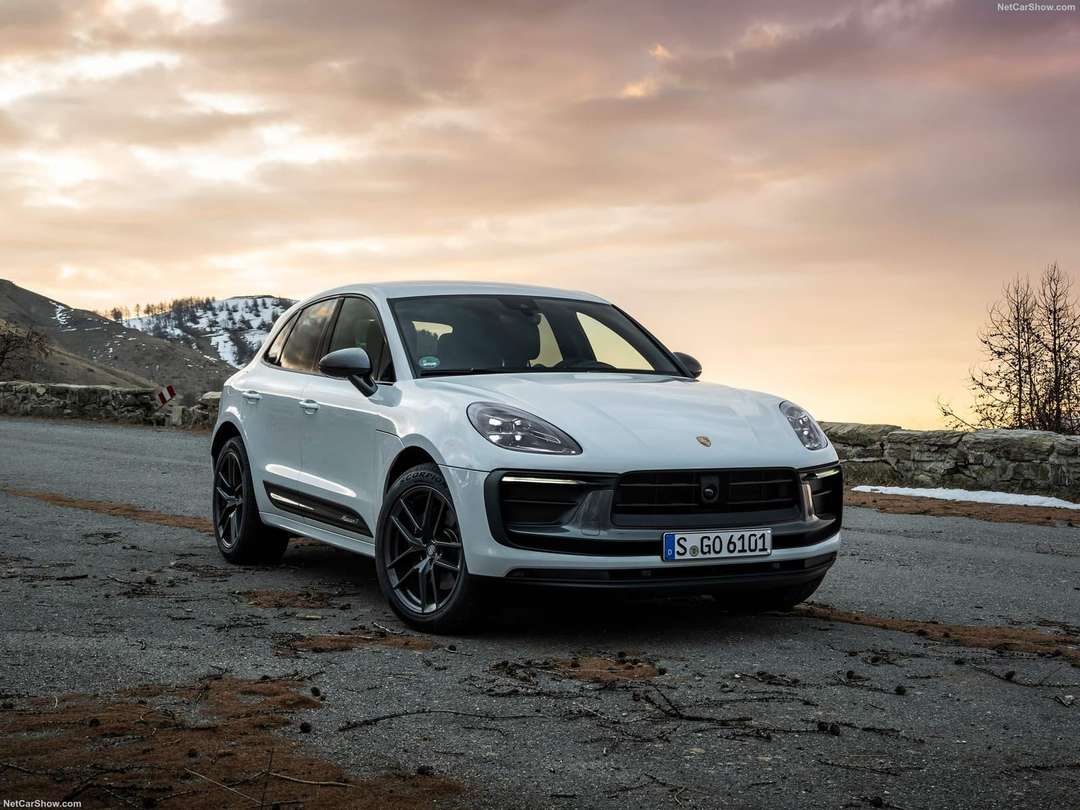
Petrol Macans have aged remarkably well. Compact proportions, that unmistakable nose and restrained detailing mean even a 2015 car still looks fresh on a dealer floor. Good design protects resale. That matters.
Compared with its predecessor, the 2026 electric car has a smoother nose, flatter surfacing and cleaner aerodynamics. Clear progress. Yet it resembles several other efficiency-led EV crossovers, while the old car carries more tension and personality. A petrol GTS, wearing dark trim and sitting lower, still owns the pavement.
Ground clearance on the petrol car is 202mm, enough for maintained gravel without pretending it’s the Hilux or the Ranger. It remains a road-biased SUV, exactly as most owners need it to be.
Cabin & Practicality
Materials and controls
Older petrol Macans have a button-heavy centre console that some buyers call dated. I disagree. Physical climate controls beat poking at a touchscreen at N1 speeds, especially while keeping an eye on Gauteng’s enthusiastic lane-changers. The electric model counters with a cleaner digital layout, an optional passenger display and in-car gaming.
Material quality feels properly Porsche in both: weighty switches, supportive seats and trim that won’t creak when the cabin bakes in summer. GTS finishes bring welcome character, and that’s the cabin I’d choose.
Space and boot
Here’s the awkward bit. Rear-seat accommodation and cargo usefulness in the electric Macan aren’t especially generous for the money. Neither version is cavernous, but a family of four can manage a Drakensberg weekend with soft luggage. I fitted two 76cm suitcases behind the rear seats, although a full-size pram forced one bag onto the back seat. If you pack smart, both work.
- Five seats and five doors across both ranges.
- Petrol tank: 65 litres, giving genuine long-distance ability without a charging stop.
- Rear space in the EV trails some rivals, giving family buyers a sound reason to consider the used petrol model.
On the Road
Let’s keep this useful, because lap times mean little to somebody financing a premium SUV in SA. The electric Macan steers accurately, manages its weight with confidence and settles beautifully on the N1 at cruising speed. Quiet, quick, composed.
Petrol GTS models offer something software can’t reproduce: a 2.9-litre twin-turbo V6 soundtrack and the sense of occasion from a dual-clutch shift. The entry petrol car delivers 195kW and 400Nm, 0-100km/h in 6.2 seconds, and a top speed of 230km/h. Plenty for public roads.
Stop-start traffic plays directly to the EV’s strengths. It glides, responds immediately and wastes little energy while creeping. On one early-morning run, I heard only a faint tyre slap over the M1’s expansion joints. Open-road range remains the catch, particularly after leaving the main charging corridors.
Data & Comparison
Real-world range versus the claim
Porsche quotes a 516km range from a 100kWh battery, with claimed consumption of 17.9 kWh/100km. Sustained highway driving tells a less flattering story. Our mixed-route observation of 20.6 kWh/100km suggests the official figure needs a sensible buffer before you commit to a long N3 run.
- Claimed range: 516km.
- Independent highway testing recorded roughly 385- 420 km for dual-motor variants at sustained speed.
- Discount the headline by 10-20% for honest Johannesburg-to-Durban trip planning.
Charging speed
Its 800V electrical architecture provides serious pace at a suitable charger. Independent testing recorded 10-80% in about 21 minutes at a high-power charger, stretching to roughly 33 minutes on a 400V unit through the battery-splitting function. That flexibility counts, because many South African DC sites still can’t deliver the car’s peak rate.
Price-by-year used data
Local listings reveal the financial choice rather clearly. Used petrol Macans cover a broad price band, putting older cars within reach of buyers who couldn’t consider a new EV. Anyone searching used Porsche Macan for sale South Africa listings will quickly spot the gap.
| Model year | Listings | Typical asking (avg) | Range |
|---|---|---|---|
| 2015 | 2 | R574,948 | R499,995 - R649,900 |
| 2022 | 2 | R999,900 | R999,900 |
Across the sampled listings, prices span R489,900 to R1,349,900, with the entry point around R846,168. A new electric Macan costs considerably more. Put differently, R1.3m-R1.7m in the used market buys a low-mileage petrol S or GTS with the badge, soundtrack and an established resale history. Dealer groups such as SMG and Porsche Centre South Africa also offer useful servicing continuity.
Rivals
| Spec | Petrol Macan (entry) | Macan Electric | Audi Q6 e-tron |
|---|---|---|---|
| Power | 195 | Range up to Turbo spec | Platform twin |
| Energy source | 65L petrol | 100kWh battery | Battery |
| 0-100km/h | 6.2s | Quicker in higher trims | Comparable |
| Long-trip refuel | ~5 min | ~21 min DC | ~21 min DC |
Audi’s Q6 e-tron shares the electric Macan’s platform but places greater emphasis on comfort, leaving Porsche’s tuning as the meaningful distinction. Estimated five-year running costs on the petrol car sit around R230,000, before factoring in the fuel-versus-electricity difference below.
Editorial Focus
Bust-testing the consensus
Overseas, the electric model is treated as the obvious successor, with the petrol Macan cast as yesterday’s answer. Perhaps, on paper at least. South African buyers face harsher arithmetic. Porsche’s options list can rapidly inflate the transaction price, so the advertised Porsche Macan Electric price South Africa shoppers see is rarely the number leaving the showroom.
The rand cost-per-km reality
Run the sums three ways. Home charging at roughly R3-R4/kWh and ~18 kWh/100km costs about R54-R72 per 100km. Public DC at R7-plus per kWh almost doubles that figure. A petrol GTS returning a real 10-12 l/100km on 95-octane then lands surprisingly close to public-DC charging costs. The Porsche Macan GTS vs Macan Electric argument has a simple economic answer: the EV wins clearly only if most charging happens at home.
The load-shedding hinge
Your wallbox holds the ownership case together. A full AC charge takes around 10 hours, which works overnight until load-shedding interrupts the schedule. Without solar or backup power, predictability disappears. Buyers beyond the 80% of chargers clustered in Gauteng and the Western Cape face greater exposure. New N3 high-power hubs improve the Durban route, but geography remains stubborn, and tolls don’t make a charging detour any sweeter.
After a week of living with the figures, my view is blunt: the electric Macan is the better machine and the riskier purchase unless your driveway, power supply and charging routine are sorted. For anyone considering an electric SUV South Africa still demands more homework than Europe does.
Safety rating
Euro NCAP · tested 2024
★★★★★ 5/5 adult occupant
European-market rating — indicative for SA only where the SA-built/imported derivative matches the tested safety spec (SA models from India/China often carry less kit). Official factsheet.
Verdict
Both Macans are excellent, but the buying decision isn’t simply about which one drives better. Your driveway, electricity supply, regular routes and tolerance for first-generation EV depreciation matter more. Few premium electric SUVs feel this cohesive, yet the used petrol range remains the value choice for now. That’s the Porsche Macan 2026 reality in South Africa.
- Buy the electric Macan new - if you have reliable home charging and live in a well-served metro. Home rates around R3-R4/kWh make its running costs genuinely attractive.
- Buy the petrol GTS while you can - if you want the last great combustion Macan. At R2m-plus new or strong used, its scarcity and established following should support residuals.
- Buy a used petrol Macan - if R846k-R1.35m fits your budget and you prefer known depreciation, quick refuelling and 95-octane freedom.
- Avoid - if you lack a home wallbox and regularly travel underserved corridors. Public DC over R7/kWh breaks much of the EV’s financial case.
Resale-risk box: Come trade-in in 2029, the final petrol Macans may depreciate more slowly than the earliest electric versions. Their residual history is proven, their character is becoming scarce and battery-EV demand remains difficult to predict. That uncertainty is the strongest reason to pause before buying the EV new.
Summary
Here’s the South African Macan choice in 2026: buy the new electric model for quiet performance and cheap home charging, or take a used first-generation petrol car for stronger resale confidence and easier cross-country travel. We’ve weighed real-world range, load-shedding, charging costs and local
Ratings
Pros
- ✓- if you have reliable home charging and live in a well-served metro.
- ✓Home rates around R3-R4/kWh make its running costs genuinely attractive.
Cons
- ✗- if you lack a home wallbox and regularly travel underserved corridors.
- ✗Public DC over R7/kWh breaks much of the EV’s financial case.