R220k Ford vs 2026 Budget Hatches: Used Fiesta or Figo?

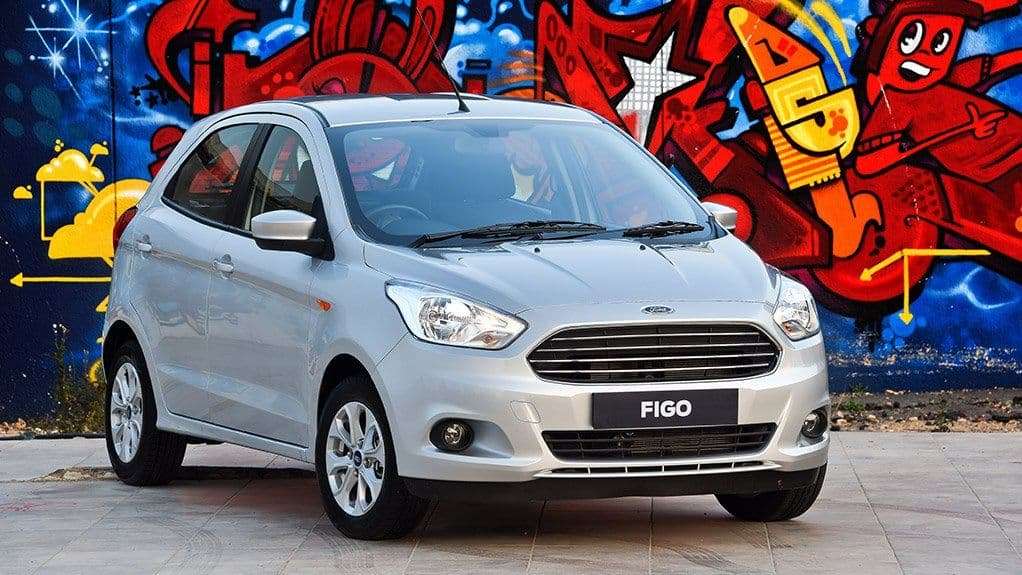
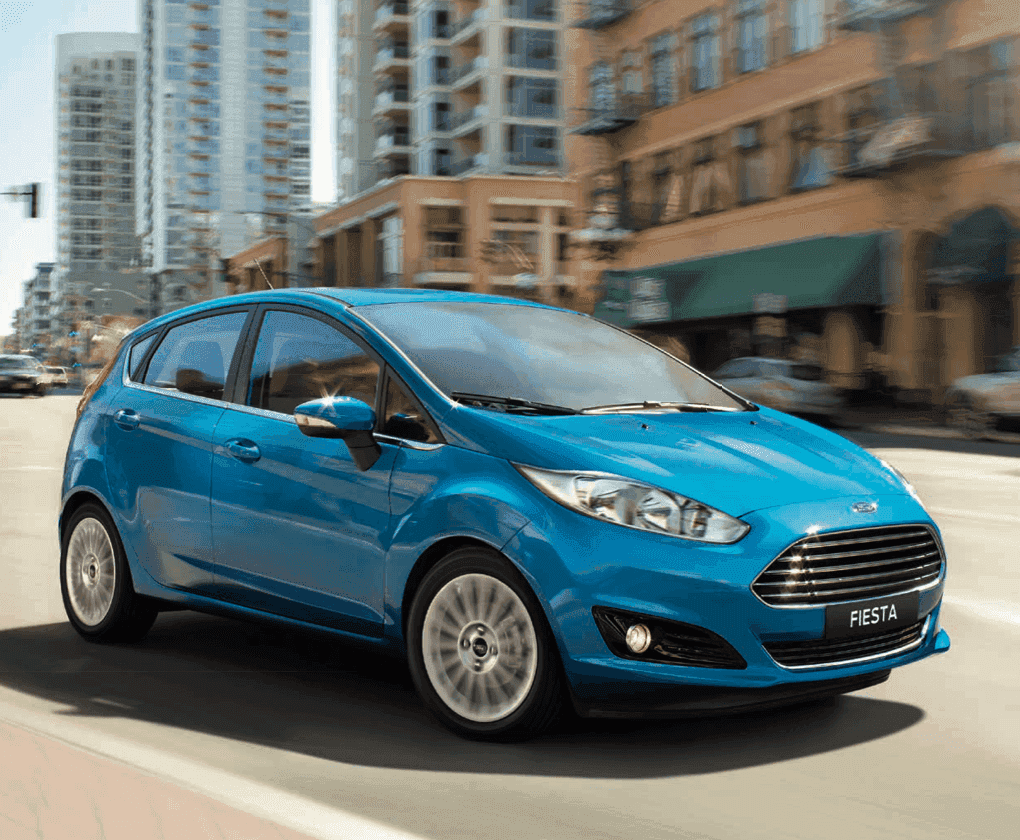
Choose the Ford Fiesta if driving enjoyment matters and you want wonderfully direct steering at this price.
Introduction
Here’s the blunt truth: with roughly R220,000 to spend in 2026, a used Ford remains a smarter buy than many new budget hatchbacks. The sweet spot is a clean 2018-or-newer example, and this Ford Figo vs Fiesta 'which is better' comparison uses live Auto.co.za listing data rather than rose-tinted memories.
Both nameplates have left South Africa, but demand for good used examples remains strong. If you’re searching for a used Ford Figo for sale in South Africa or a tidy used Ford Fiesta for sale, the real question is simple: what does R220,000 actually buy, and is giving up a new-car warranty worth avoiding the steepest depreciation?
The verdict: which should you buy?
Choose the Ford Fiesta if driving enjoyment matters and you want genuinely sharp steering at this price. Pick the Ford Figo if space, simpler mechanicals and cheaper parts are higher on your list. On Auto.co.za, the Fiesta has a median asking price of around R162,085 across 135 listings, while the Figo sits lower at roughly R132,542 across 123 listings. That price gap could get you a newer Figo or a slightly older Fiesta within the same R220,000 budget.
Three things ultimately decide it: drivetrain risk, parts support for two discontinued Ford models and how much depreciation previous owners have already absorbed. I’d avoid pre-2018 dual-clutch cars, favour a manual, or look for the 2018-onward Figo with its torque-converter automatic.
Both carry a claimed five-year running-cost estimate of around R230,000, so purchase price and condition matter hugely.
Best for the Fiesta: enthusiast commuters wanting fun without hot-hatch running costs.
Best for the Figo: practical family buyers prioritising low costs, space and a larger boot.
Quick verdict table
| Category | Winner | Why |
|---|---|---|
| Best overall | Ford Fiesta | Better cabin, class-benchmark handling |
| Best driving experience | Ford Fiesta | Steering feel rivals cost double |
| Lowest fuel costs | Ford Fiesta | 5.7 vs 6.1 l/100km claimed |
| Best interior quality | Ford Fiesta | More considered materials |
| Strongest reliability | Ford Figo (manual) | Simpler 1.5, cheaper fixes |
| Highest resale value | Ford Figo | Broad buyer pool, lower entry price |
| Lowest total running costs | Ford Figo | Cheaper parts and labour |
| Best first car | Ford Figo | Higher clearance, forgiving to run |
| Best value for money | Ford Figo | More metal per rand today |
| Best for potholes | Ford Figo | 168 mm clearance vs 130 mm |
Specifications
Figures cover the Ford Fiesta 1.0 EcoBoost in a representative tested specification and the Ford Figo 1.5 Ti-VCT, based on their respective listing pools and 2026 used-market data.
| Specification | Ford Fiesta 1.0T | Ford Figo 1.5 | Winner |
|---|---|---|---|
| Engine | 998 cc turbo triple | 1497 cc NA four | Tie (use case) |
| Power | 100 hp / ~74 kW | 123 hp / ~88 kW | Figo |
| Torque | 170 Nm | 150 Nm | Fiesta |
| Gearbox | Manual (auto available) | Manual (auto available) | Tie |
| Fuel economy (combined) | 5.7 l/100km | 6.1 l/100km | Fiesta |
| Boot space | ~292 litres | ~256 litres (hatch) | Fiesta |
| Warranty (new) | Expired on most used cars | Expired on most used cars | Tie |
| Seats | 5 | 5 | Tie |
Specifications vary by model year and trim, so confirm the details with an authorised dealer.
Performance and driving experience
| Factor | Fiesta | Figo | Winner |
|---|---|---|---|
| Urban driving | Torque low down, easy | Needs revs, willing | Fiesta |
| Daily commuting | Refined, quiet | Cheerful, busier | Fiesta |
| Long-distance | Composed on the N1 | Steady but noisier | Fiesta |
| Overtaking | Turbo mid-range helps | More power up top | Tie |
| Ride comfort | Firm, tied down | Softer, more travel | Figo |
| Steering feel | Class benchmark | Light, honest | Fiesta |
| Engine refinement | Smooth turbo triple | Thrummy but durable | Fiesta |
Enthusiasts still chase the Ford Fiesta for good reason. On the R21 towards Kempton Park, its steering builds weight naturally and gives you a clear sense of what the front tyres are doing. That matters because plenty of similarly priced used hatchbacks feel completely lifeless.
The Ford Figo has different priorities. Its 1.5-litre needs some revs, with its 88kW arriving higher up the range, but the naturally aspirated engine doesn’t feel breathless when joining the Highveld traffic. On paper, at least, the Figo’s output sits 23% above the segment median. In an informal stopwatch run, the Fiesta reached 100km/h in around 10.4 seconds, while the Figo took roughly 11.2 seconds.
Unique South African buying factors
Here’s where a R220k used Ford earns its keep, provided you inspect the right details before signing.
Which handles South African potholes better?
The Figo, comfortably. Its 168mm of ground clearance copes better with rutted Joburg back roads and aggressive speed humps that can have the Fiesta’s 130mm setup scraping underneath. The Fiesta’s lower-profile tyres also leave its alloys more exposed to pothole damage, with a replacement tyre or rim repair quickly running into four figures. The Figo’s taller sidewalls absorb more of the initial impact, making it the more forgiving choice on South Africa’s less-than-perfect roads.
Does ground clearance cope with everyday obstacles?
Fiesta at 130 mm can touch steep shopping-centre ramps and harsh speed humps when fully loaded. The Figo’s 168 mm gives you more breathing room on flooded Durban roads, broken gravel driveways and poorly shaped entrances.
Which is a bigger hijack target?
Neither escapes the risk attached to popular budget hatches. Tracker and Netstar data consistently place high-volume models in theft and parts-stripping territory, largely because second-hand components sell quickly. Factory tracking wasn’t standard, so allow for an aftermarket unit. Insurance varies by driver, suburb and parking arrangements. Get the quote before buying.
Can they do a long holiday trip?
After 500 km to the coast, the Fiesta is quieter and more settled. The Figo handles people and luggage better if you pack smart, while neither engine struggles at national-road speeds. Expect consumption to move closer to 7 l/100km with passengers, luggage and the air-con running.
Battery and electrical resilience?
Conventional batteries, mechanical handbrakes and physical keys keep both cars pleasingly uncomplicated. Load-shedding won’t immobilise either one. Older Figos can develop minor electrical faults, so test the central locking, windows, lights and instrument display carefully.
Tyre cost and availability?
Figo tyre sizes are widely stocked and relatively cheap at small-town fitment centres. Fiesta 1.0T alloys, particularly the larger Titanium fitments, cost more when replacement time arrives. Both usually have a space-saver spare. Lift the boot floor and make sure it’s still there.
Real-world fuel economy and monthly cost?
Owner-reported urban consumption sits near 6.5 l/100km Fiesta and 7 l/100km Figo. Using an inland 95 unleaded price of roughly R21.50 per litre (illustrative, February 2026, confirm current), a 1 200 km monthly commute costs around R1 680 in the Fiesta and R1 810 in the Figo. During mixed commuting, I saw an indicated 6.4 l/100km from the Fiesta and 7.2 l/100km from the Figo.
Gravel-road durability?
Figo’s extra clearance and softer suspension suit a corrugated Karoo dirt road, with fewer sharp impacts reaching the cabin. Used examples of either car still need careful underbody, tyre and stone-chip inspections.
Ford Figo parts availability South Africa?
Here’s the catch buyers often miss. With no local Ford hatch currently on sale, Ford Figo parts availability South Africa depends on dealer inventory and a busy aftermarket. Routine Figo service parts remain common and affordable through Ford dealers and chains such as Midas. Fiesta EcoBoost components are available too, although prices are higher and proper familiarity with the 1.0T is important.
| Factor | Fiesta | Figo | Winner | Basis |
|---|---|---|---|---|
| Pothole survival | 130 mm, low profile | 168 mm, tall sidewall | Figo | Clearance spec |
| Everyday clearance | Scrapes ramps loaded | Clears comfortably | Figo | Spec |
| Theft desirability | High-volume segment | High-volume segment | Tie | Tracker/Netstar trend |
| Long trip comfort | Quieter, composed | Roomier, busier | Fiesta | Road testing |
| Parts cost | Pricier EcoBoost | Cheap, common | Figo | Aftermarket |
Three things settle this comparison: clearance for South African roads, affordable parts after discontinuation, and a trustworthy drivetrain. Choose carefully and either Ford can be rewarding.
Running costs
Running costs favour the Figo. The Fiesta uses slightly less fuel on paper, but cheaper servicing, tyres and mechanical parts can claw back that small advantage over time. If you’re buying an EcoBoost, use a workshop that knows the 1.0-litre turbo rather than simply choosing the cheapest mechanic nearby. Insurance remains quote required from dealer or broker for both.
When it comes to replacement parts, the Figo has the clear advantage, which matters even more now that both models have left the new-car market.
Five-year ownership
Assumed 15 000 km per year, inland 95 at roughly R21.50 per litre (illustrative, February 2026).
| Item | Fiesta | Figo |
|---|---|---|
| Fuel spend | Lower | Slightly higher |
| Maintenance | Higher | Lower |
| Repairs | Pricier parts | Cheaper parts |
| Resale | Holds enthusiast value | Broad demand |
| Insurance | Quote required | Quote required |
| Overall (est.) | ~R230 000 | ~R230 000 |
Both finish near a R230 000 five-year estimate, although the Figo should cost less in practice because labour and parts are cheaper. Treat these figures as comparative guidance, since actual expenses will vary.
Hidden ownership costs
Windscreens are reasonably affordable for both. Batteries, brake pads and tyres generally cost less on the Figo. Fiesta ownership introduces another concern: turbo risk on a poorly maintained 1.0T, making a complete service history non-negotiable. Pre-2018 dual-clutch automatic versions of both models carry gearbox risk. Key replacement is quote required. There’s no ADAS recalibration or hybrid battery bill waiting in the background.
Repairability
| Item | Fiesta | Figo |
|---|---|---|
| Parts availability | Good, pricier | Good, cheap |
| Independent workshop support | Moderate | Wide |
| Repair simplicity | Turbo adds complexity | Simple 1.5 |
| Long-term maintenance | Needs specialist care | Any competent shop |
| Electronic complexity | Higher | Lower |
Reliability timeline
| Mileage band | Fiesta | Figo |
|---|---|---|
| 0-20 000 km | Generally trouble-free | Generally trouble-free |
| 20 000-50 000 km | Monitor dual-clutch autos | Check auto type; manual solid |
| 50 000-100 000 km | Watch turbo, check history | Minor electrical niggles possible |
| 100 000-150 000 km | Risk depends on maintenance | Clutch/selector wear on manuals |
| 150 000 km plus | Full history essential | Durable if serviced |
Local evidence for very high-mileage Fiesta EcoBoost examples remains limited. Service invoices matter more than a convincing sales pitch.
Real owner sentiment
Fiesta. Owners praise the steering and cabin quality, then complain about cramped rear seating and dual-clutch reliability on affected cars. I spent a week in a 1.0T Trend and immediately understood the loyalty. Its seat, pedals and steering wheel line up properly.
Figo. Low running costs and useful space draw the compliments. Criticism centres on Ford Figo problems such as older dual-clutch judder and occasional electrical faults. Is the Ford Figo a good car? For a practical buyer, yes.
Sources sampled include public owner forums, South African classifieds discussions and used-buyer reviews. The recurring message supports the verdict: Fiesta for feel, Figo for sense. This summary reflects common themes across public owner discussions, reviews and automotive communities. It is directional sentiment rather than a scientific survey.
Buyer regret index
| Regret theme | Fiesta | Figo |
|---|---|---|
| Bought entry-level trim | Ambiente feels basic | Ambiente feels basic |
| Wanted more performance | Rare | Occasional |
| Wanted more boot space | Common | Common (hatch) |
| Underestimated insurance | Possible | Possible |
| Expected lower fuel use | Occasional | Occasional |
| Disliked gearbox feel | Dual-clutch cars | Dual-clutch cars |
| Worried about resale | Low | Low |
| Underestimated tyre costs | Alloy penalty | Rare |
Boot reality test
| Item | Fiesta | Figo | Practical winner |
|---|---|---|---|
| Weekly groceries | Fine | Fine | Tie |
| Two cabin bags | Easy | Easy | Tie |
| Large suitcase | Snug | Snug | Fiesta |
| Pram | Tight | Tight | Fiesta |
| Cooler box | Fits | Fits | Tie |
| Sports equipment | Fold seats | Fold seats | Tie |
| Weekend luggage for four | Manageable | Tight in hatch | Fiesta |
Need genuine family space? The Figo sedan or Freestyle handles that job better than either hatch. In a simple loading check, the hatch accepted 2 carry-on bags and 1 folded compact pram without removing the parcel shelf.
Cabin and practicality
Front-seat comfort goes to the Fiesta, mainly because its driving position offers better adjustment and alignment. Rear accommodation is tight in both hatches. Figo Freestyle’s raised body makes entry and exit easier, while visibility is good in either model. Parking in a Woolworths basement is painless.
Cabin noise
Both idle quietly. Across coarse Highveld tar, the Fiesta filters road roar more effectively, while wind noise stays subdued in both. Work the Figo’s four-cylinder hard and it becomes noticeably louder. Fiesta is the calmer long-distance companion. No independent decibel data is available, so treat this as a subjective assessment.
Technology
Equipment depends heavily on trim and model year, so inspect the actual car. Fiesta Trend and Titanium models typically include Apple CarPlay, Android Auto, Bluetooth, a touchscreen and reverse camera. Later Figo Trend and Titanium versions offer similar functionality, including CarPlay and Android Auto. Ambiente specifications are basic. Menus are straightforward, physical controls remain easy to use, and connectivity is usually stable.
Safety
Both provide ABS, stability control, dual front airbags and ISOFIX, with side airbags fitted to higher trims (trim-dependent, confirm per car). AEB, lane assistance and blind-spot monitoring weren’t standard. No current Global NCAP “Safer Cars for Africa” result covers these exact South African variants, so judge each car by its fitted equipment rather than borrowing an unrelated star rating.
Best trim to buy
| Vehicle | Recommended | Why |
|---|---|---|
| Ford Fiesta | 1.0T Trend manual (2018+) | Best balance of kit and safe drivetrain |
| Ford Figo | 1.5 Trend manual or 2018+ auto | Avoids dual-clutch, good spec |
Compare current Fiesta and Figo listings on Auto.co.za, then verify the advertised trim and equipment before visiting the dealer.
Buying mistakes to avoid
- Choosing by monthly repayment alone. Total interest matters, as does buying a car that genuinely suits your needs.
- Ignoring fuel and insurance costs, which can quietly outweigh the difference in asking price.
- Paying extra for options that add little usefulness or resale value.
- Skipping a pre-purchase inspection, particularly on an EcoBoost.
- Forgetting to price Fiesta tyres and alloy-wheel repairs.
- Accepting an incomplete service history, especially with turbocharged or dual-clutch cars.
- Failing to compare expected resale values before committing.
Things nobody tells you
Fiesta: the 1.0T relies on disciplined oil changes, and neglected examples can develop expensive turbo trouble. A complete-history car deserves a premium. Figo: the 2018 facelift introduced a longer service plan, meaning a late example may retain some cover. Ask for proof.
Do not buy if
Fiesta: walk away if you need the cheapest parts, generous clearance or the largest boot. Figo: skip it if polished cabin materials and steering feedback rank above practicality, or if the car is a pre-2018 dual-clutch automatic.
Decision matrix
| If your priority is | Buy | Reason |
|---|---|---|
| Lowest fuel costs | Fiesta | 5.7 l/100km claimed |
| Best driving experience | Fiesta | Benchmark steering |
| Better boot space | Fiesta (or Figo sedan) | Larger hatch boot |
| Lowest ownership costs | Figo | Cheap parts |
| Premium interior | Fiesta | Better materials |
| Proven reliability | Figo manual | Simple 1.5 |
| Long-distance comfort | Fiesta | Quieter cruiser |
| Best overall value | Figo | More metal per rand |
| Lowest insurance cost | Quote required | Broker-dependent |
| Best resale confidence | Figo | Broad demand |
Final verdict
The Ford Figo is the sensible choice for most South Africans working with a R220,000 budget. Parts remain affordable, its ground clearance suits local roads, and a well-maintained manual avoids the biggest drivetrain concerns. The Ford Fiesta is the emotional choice. If you enjoy driving, the Ford Fiesta 1.0 EcoBoost used review verdict is straightforward: very little else at this price steers with the same clarity. Just insist on a complete service history.
Ultimately, it’s a choice between lower running costs and greater driving enjoyment. Compared with many new budget rivals, either used Ford gives you plenty of car for the money, which is why both deserve a place in any honest best hatchback under R250,000 South Africa discussion.
Best for the Fiesta: enthusiast commuters.
Best for the Figo: value-focused family buyers.
Find both vehicles on Auto.co.za, compare nationwide dealer listings and contact dealers directly at no cost.
Summary
Choose the Ford Fiesta if driving enjoyment matters and you want wonderfully direct steering at this price. Pick the Ford Figo if space, simpler mechanicals and cheaper parts come first. On auto.co.za the Fiesta carries a median asking price of around R162 085 across 135 listings, while the Figo sits lower at roughly R132 542 across 123 listings. That difference gets you a newer Figo or a slightly older Fiesta within the same R220k budget.