BYD Dolphin Surf Dynamic (2026) Review
Affordable, easy to use and properly suited to urban commuting. Cheap cabin plastics and a stronger-value rival count against it, but the running-cost case, physical controls and CCS2 compatibility still earn a solid recommendation.
Introduction
Let's be honest, we've been hearing about "affordable EVs" for years, yet they've always felt just out of reach for most South Africans. The BYD Dolphin Surf changes that. At under R400,000, it's one of the first electric cars that genuinely feels attainable, especially if your daily commute is around 40km, you can charge at home, and you're tired of watching petrol prices creep up month after month.
Crossing below the R400,000 mark is more significant than it sounds. It finally puts an EV within reach of buyers who may never have considered one before. Whether the Dolphin Surf deserves a place on your driveway, however, depends on one simple question: where do you park it at night?
Key takeaway: BYD’s smallest EV is an appealing city car with low running costs, but open-road range remains limited and the Geely E2 has the stronger specification sheet.
Design & Exterior
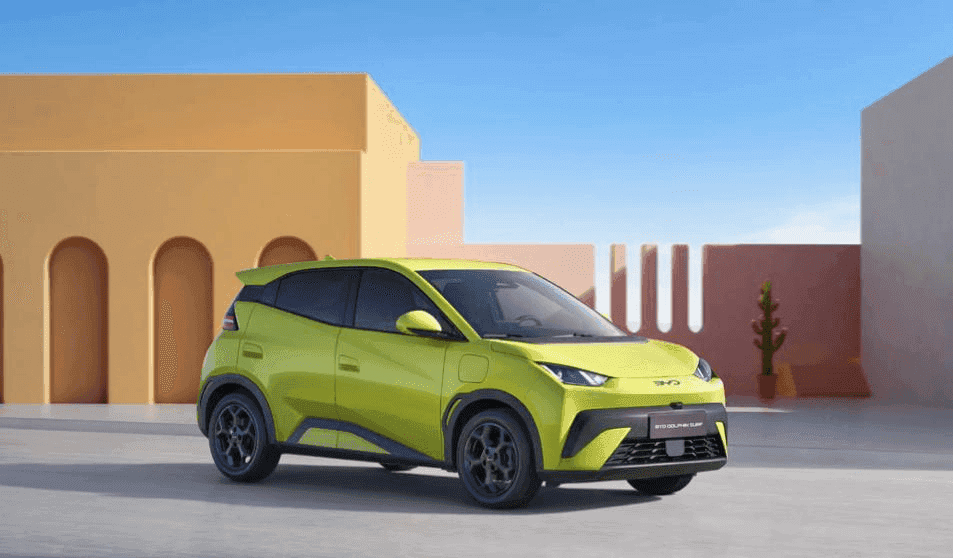
Depending on where you are in the world, this little BYD answers to a few different names. In China, it's called the Seagull, while buyers in South America know it as the Dolphin Mini. Here in South Africa, though, it's simply the Dolphin Surf.
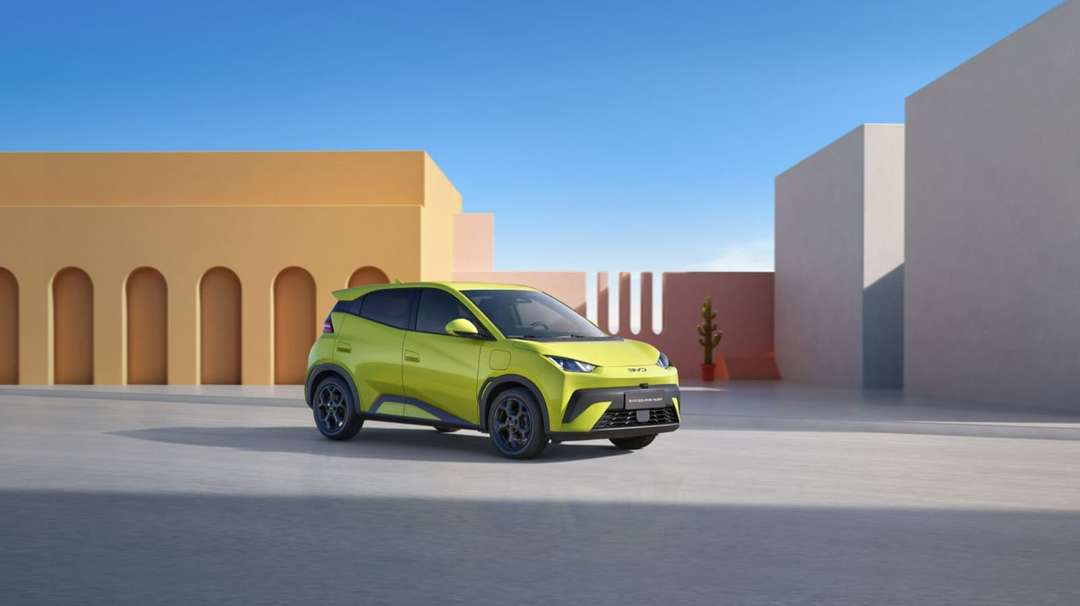
Whatever the badge says, one thing's for sure: it's got far more attitude than you'd expect from a hatchback this small. The pinched LED headlights, sharp body creases and chunky stance give it a confidence that helps it stand out in a segment where most cars tend to play it safe.
Clever packaging is what really makes the Surf work. Despite measuring just shy of four metres long, the stretched wheelbase and short overhangs free up more cabin space than you'd expect. The only catch is the 131mm ground clearance. It's perfectly fine for everyday driving, but you'll want to take it easy over some of South Africa's taller speed humps and pothole-riddled streets.
Around town, though, this is exactly where the Surf feels at home. It's small enough to slip into parking spaces that most SUVs wouldn't even attempt, and squeezing into a packed Checkers car park is a whole lot less stressful than trying to wrestle a Hilux or Ranger into the same spot.
Cabin & Practicality
Materials and controls
Here’s where BYD’s cost-cutting becomes obvious. Some plastics are hard, hollow and unapologetically cheap, even though the standard equipment list is generous. Physical controls remain for important functions, thankfully, so you’re not prodding through menus at 120km/h on the freeway.
BYD’s rotating central screen is amusing for about a day. Most owners will choose an orientation and leave it there, while the touch-drag climate adjustment feels needlessly fussy. A software update could improve the interface, but a proper dial would still be better.
Space and boot
Four people fit, not five, and BYD is at least honest about the limitation. Rear legroom is unusually generous for this class, with two adults able to sit behind two adults on a Cape Town-to-Stellenbosch run without knees meeting seatbacks.
Boot space is the compromise. A high loading lip and awkward shape make bulky items difficult, although the under-floor compartment keeps charging cables out of the way. I managed two 55cm cabin bags and a few grocery packets. If you pack smart, it’ll handle a weekly Checkers shop.
- Seating: 4 occupants, 5 doors
- Long wheelbase liberates surprising rear legroom
- Boot shape is compromised but has useful under-floor storage
- Physical climate and drive controls retained
On the Road
Around town
Town is the Surf’s natural habitat. Steering is light, the turning circle is tight, and the immediate electric response makes gaps in stop-start traffic easy to claim. Forward visibility is good. Rear three-quarter visibility isn’t, so the cameras earn their keep.
My mixed urban loop ended with the display showing 17.2kWh/100km, which points to roughly 175km from the 30kWh battery in similar use. The Dynamic trim posts a 0-100km/h time of 15.5 seconds. Not quick, then, but lively enough away from a traffic light.
On the open road
Highway driving exposes the compromises. A top speed of 150km/h means it can maintain freeway pace, but overtaking a truck on the N3 near Van Reenen’s Pass requires patience, especially uphill and at altitude. Wind and tyre noise build quickly, while the firm ride becomes tiring over patched surfaces and expansion joints. Below 100km/h, it’s much happier.
Range also falls away faster at sustained freeway speeds. BYD claims 220km, yet real-world use consistently lands below that brochure figure, particularly with air conditioning running or during cold Highveld mornings. Treat 220km as an ideal result, not a promise.
Data & Comparison
Pricing and ownership
Across 286 recent listings, the Dolphin Surf averages R382,335, spanning R318,155 at the bottom to R448,489 at the top. Curiously, the 2026 model year sits slightly cheaper on average than 2025 stock, suggesting supply and dealer pricing are starting to settle.
- Average listing price: R382,335
- Price range: R318,155 to R448,489
- Battery: 38.9kWh
- Claimed range: 220km
- Energy use: 15.5kWh/100km
- Estimated 5-year total cost of ownership: around R230,000
Running costs make the strongest argument. That R230k five-year TCO figure helps offset a purchase price still inflated by South Africa’s tax treatment of imported EVs, but affordability depends on home charging. Public DC charging can narrow the saving considerably.
How it stacks up
| Spec | BYD Dolphin Surf Dynamic | Geely E2 | VW Polo (petrol reference) |
|---|---|---|---|
| Powertrain | Electric | Electric | Petrol |
| Battery | 30kWh | Larger (per rival data) | N/A |
| Claimed range | 220km | Longer claimed range | Full tank |
| 0-100km/h | 15.5s | Quicker | Varies |
| Top speed | 150km/h | Higher | Higher |
| Entry price direction | From ~R318k | Undercuts the Surf | Comparable ICE |
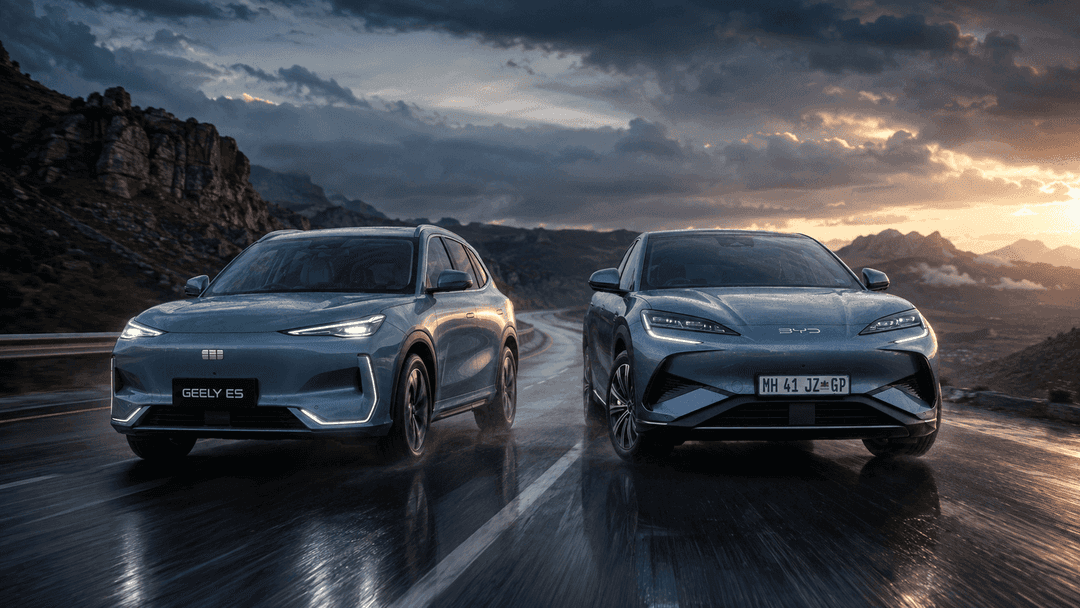
Against the Surf, the Geely E2 offers a larger body, longer wheelbase, more power and a bigger battery while undercutting it on price. On paper at least, Geely wins the value fight. BYD counters with distinctive styling and the established reputation of its Blade battery.
Editorial Focus
The real math: charging cost per km versus a petrol Polo
EVs costing less than R400k change who can realistically consider one, but the monthly arithmetic still matters more than launch-day hype. So, does the Surf make financial sense beside a petrol Polo?
Petrol in the Polo costs roughly R1.80 to R2.20 per kilometre at current pump prices. Home charging on an off-peak tariff brings the Dolphin Surf closer to 50c per kilometre, meaning a 40km daily commute creates a meaningful saving over five years.
Charging is less intimidating than many sceptics expect. A 20-80% top-up at Gauteng residential tariffs costs under R50 and covers well over a typical day’s driving. CCS2 compatibility means public fast-chargers at shopping centres, and Engen stops on the N3 work without an adapter.
Peak DC charging speed still needs scrutiny. CCS2 describes the plug, not how quickly the battery fills, and the listing data doesn’t state the maximum rate. Ask the dealer for that figure before signing. Only the 30kWh battery is represented here, so buyers wanting a larger pack should compare the E2 or confirm whether another Surf derivative better suits regular intercity travel.
Load-shedding remains the awkward part. Owners with secure parking can charge overnight when the grid is calmer, while households with solar have the strongest ownership case. The Surf also lacks the vehicle-to-load function offered by the Geely E2, which could prove genuinely useful during outages. Even so, this is an electric car under R400k that can repay part of its purchase premium through daily use.
Safety rating
ANCAP · tested 2023
★★★★★ 5/5 adult occupant
Australian-market RHD rating — indicative for SA only where the SA derivative matches the tested safety spec (airbags/ESC/AEB). Official factsheet.
Verdict
Buy the Dolphin Surf if you’re a city commuter with secure off-street parking and reliable home charging. For that buyer, low running costs and a sub-R400k entry point make it one of the most convincing first EVs available locally. It’s what the affordable-EV segment should have been from the start, and that’s the point.
Skip it if you regularly tackle long highway journeys or need a fifth seat. The 150km/h top speed isn’t the problem; limited overtaking urge, road noise and reduced freeway range are. Geely’s E2 also provides more cabin and battery for less money.
Wait if load-shedding makes overnight charging unreliable, or if the E2’s vehicle-to-load function matters to your household. BYD, Geely and other Chinese brands are only beginning their local price fight, so more choice and sharper deals should follow.
Summary
A full review of the 2026 BYD Dolphin Surf Dynamic for South African buyers, covering real-world range, charging costs, cabin practicality and its fight with the Geely E2 below R400k.